Back
Scroll to top

Fraud Protection: 5 Reminders to Avoid Smishing and Vishing Scams
Personal Finances 2 min read

Smishing is a type of cyberattack that uses text messages to trick people into giving away personal information or clicking on malicious links.

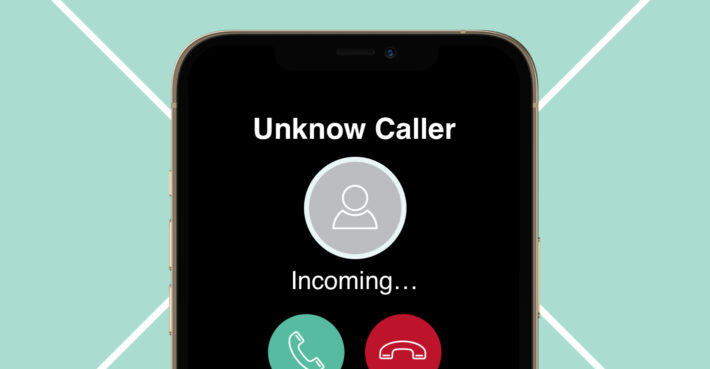
Vishing, or voice phishing, is a type of identity fraud scam that uses phone calls or voicemails to trick people into sharing sensitive information.

Talk to a fraud prevention expert

Find A Location Get In Touch

Use these five helpful reminders to stay safe:

  1. Stay on alert for suspicious SMS text messages stating payments have been made using your account or Zelle information. These types of messages are called smishing.
  2. Phishers send a text, supposedly from your financial institution, asking you to confirm transactions made from your account by responding with a simple “Yes” or “No”, prompting a possible phone call from them immediately after.
  3. Do not respond to these types of messages. Instead, call your financial institution directly to confirm they have sent you a message about your account or to make sure there are no actual unknown transactions.
  4. When calling your financial institution, always call the number from the institution’s website or the number found on the back of your debit/credit card.
  5. If you feel you have been a victim of an SMS text messaging scam, call your financial institution for immediate assistance.

Find more on smishing, voice phishing, and Zelle fraud explained by Brian Krebs, author of Krebs on Security, using the links below:

Need extra information on how to protect yourself and your information? Check out our free online course on Identity Protection.

Identity Protection – First Bank

Talk to a fraud prevention expert

Share:

You may be interested in...

Four Different Types of Services | Banking A bank’s job is to provide customers with financial services that help people better manage their lives. As technology advances and competition increases, banks are offering different types of services to stay current and attract customers. Whether you are opening your first bank account or have managed a checking account for years, it helps to know the different types of banking services available. This ensures you get the most out of your current financial institution. Deciding which services are most important can lead you to the bank that best fits your needs. Different Types of Services | Bank Accounts Individual Banking—Banks typically offer a variety of services to assist individuals in managing their finances, including: Checking accounts Savings accounts Debit & credit cards Wealth management Business Banking—Most banks offer financial services for business owners who need to differentiate professional and personal finances. Different types of business banking services include: Business loans Checking accounts Savings accounts Debit and credit cards Merchant services (credit card processing, reconciliation and reporting, check collection) Treasury services (payroll services, deposit services, etc.) Digital Banking—The ability to manage your finances online from your computer, tablet, or smartphone is becoming more and more important to consumers. Banks will typically offer digital banking services that include: Online, mobile, and tablet banking Mobile check deposit Text alerts eStatements Online bill pay Loans—Loans are a common banking service offered, and they come in all shapes and sizes. Some common types of loans that banks provide include: Personal loans Auto and boat loans Home equity lines of credit Home loans Business loans Better Banking Services from First Bank If your current financial institution doesn’t offer the services mentioned above, you may not be getting the best banking service possible. At First Bank, we are dedicated to helping our customers get the most out of their money. That is why we offer different types of banking services to meet a variety of needs. To learn more about our banking services, visit your local branch today. *Investment and Insurance Products are NOT Bank Deposits, NOT FDIC-Insured, HAVE NO Bank Guarantee, NOT Insured by any Federal Government Agency, May Go Down in Value ——— Sources: http://www.stockmonkeys.com/what-services-do-modern-banks-offer-4BTIGOI3/ Business http://www.cbsnews.com/news/smart-phones-are-revolutionizing-consumer-banking-habits/ https://localfirstbank.com/locations 2 min read
3 Tips for Saving Money in Your 20s Saving money in your 20s may seem like an impossible task, but did you know that your 20s is actually prime time to start setting money aside for you future? If you’re wondering how to save money in your 20s, follow these three simple tips for managing your funds and setting yourself up for a financially successful future. 3 Important Money Saving Tips for Young Adults 1. Start an emergency fund. An emergency fund is one of the most important things you can establish in your twenties. Should you experience any financial hardships, such as unemployment, unexpected medical expenses, or an expensive car repair, your emergency fund will be there to cover you. But how much money should you save? That depends on how much you spend each month. Money Under 30 suggests having at least three months of expenses saved up. You can use their Emergency Fund Calculator to get a better idea of how much you should be putting away. 2. Mange your budget. Take a close look at your budget—especially your entertainment budget—to see where you can cut back. Adults in their twenties often spend money on entertainment, like concerts with friends and weekend travel plans, and these areas are often where you can cut back the most. The Penny Hoarder suggests taking charge in your group of friends and making sure your plans are reasonably priced. 3. Pay down your debt. Paying down your loans now will save you money in the future. Forbes recommends focusing on your emergency fund and retirement savings first, then paying off any debt with interest rates over 7%. For interest rates over 7%, you’re likely save more on interest than you would earn by investing that money. Always consult a financial advisor or debt expert before making decisions on consolidation or pay off. Save Money with First Bank Following these three simple money management tips is a great way to reach your savings goals. For more money management tips, check out First Bank’s Financial Education Center or contact us to learn more about our savings accounts. ——— Sources: Betterment: https://www.betterment.com/resources/investment-strategy/strategy-investing-in-your-20s/ Money Under 30: http://www.moneyunder30.com/emergency-fund-calculator PennyHoarder: http://www.thepennyhoarder.com/managing-money-in-your-early-20s/ Forbes: http://www.forbes.com/sites/financialfinesse/2014/03/06/should-you-increase-savings-first-or-pay-down-debt/#7ae4e10b33e6 2 min read
First Bank logo
Privacy Overview

This website uses cookies so that we can provide you with the best user experience possible. Cookie information is stored in your browser and performs functions such as recognizing you when you return to our website and helping our team to understand which sections of the website are the most popular and useful.