Back
Scroll to top

Downtown After 5 in Asheville

Across The Carolinas 2 min read
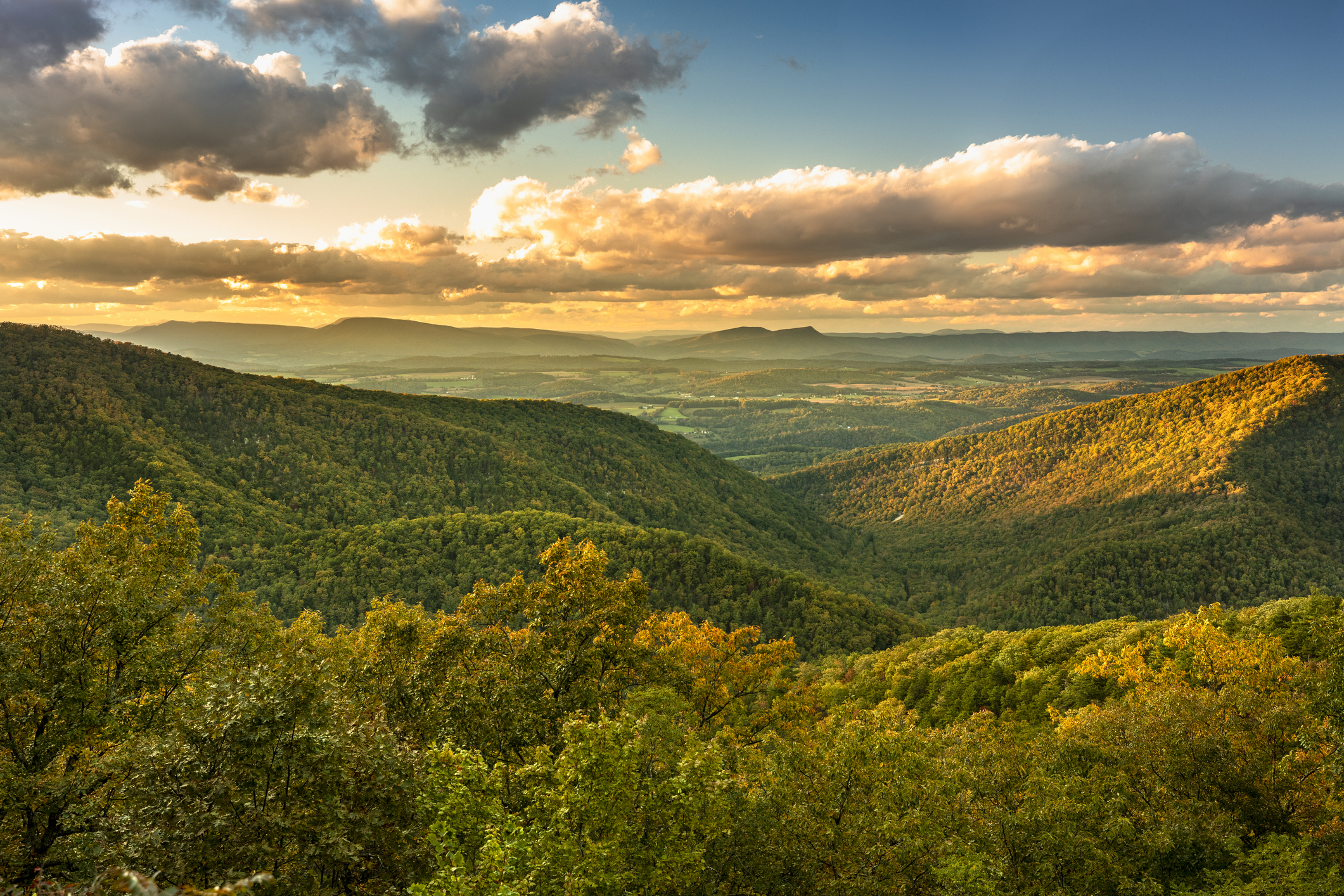
Skyline of downtown Asheville, NC at sunset

Ready to talk to an expert?

There’s no shortage of things to do in Asheville, but from May to September, you’ll definitely want to check out Downtown After 5. Presented on the third Friday of each month, between 5 and 9 pm, visitors will be treated to a night of great live music, local food and beer, and fun activities for the kids.

With bands ranging in style from bluegrass to soul to R&B, and big names like Yo Mama’s Big Fat Booty Band, you’re sure to find something that appeals to you. Now in its 26th season, Downtown After 5 is run by the Asheville Downtown Association and is always free and open to all members of the public.

Meghan Rogers of the Asheville Downtown Association says that when the festival began over 20 years ago, “Downtown Asheville wasn’t what it is today. We created Downtown After 5 to bring people into the area and show them that there are things to do here.”

Since its inception, the festival has grown, with over 6,000 people in attendance for each performance.

Rogers is also excited about the Nonprofit Wristband Partner program. Each month, a nonprofit organization is selected to sell wristbands for purchasing alcohol. In exchange, the organization receives a $2,000 grant. “It’s a great thing to be a nonprofit that can give back to other nonprofits,” Rogers says.

In addition to supporting the community, Downtown After 5 has made several strides to become more environmentally friendly over the past few years. The complimentary bike corral has been very successful, with several attendees choosing to ride bikes rather than driving to the event.

In an effort to promote recycling and composting, volunteers stand by the trash bins to help concertgoers sort their trash into compost, recycling, and landfill piles. They now only have a few bags of landfill trash after each event.

This year’s newest green improvement is a solar-powered water filtration unit, so people can stay hydrated with ultra-filtered water.

Interested in attending Downtown After 5? We don’t blame you! Check the schedule to see who’s playing this month.

Ready to talk to an expert?

Share:

You may be interested in...

Banks in North Carolina Did you know there are more than 100 First Bank locations in North Carolina? It’s true. You can find us in over 60 cities, mountains to coast. Did you know we’re one of the oldest banks in North Carolina? Yup, our roots date back to 1935 in the town of Troy, North Carolina. Did you know we’re a full-service bank? We sure are. We have checking and savings accounts for personal and business use, credit cards, loans of all types, business merchant services, insurance, mortgages, wealth management, and more. Of all the banks in North Carolina, we are confident you won’t find the personal level of customer service, complete selection of services, and convenient array of locations that you’ll find with First Bank. We take advantage of technology to bring our customers the added convenience of online, mobile, and digital banking services to enhance the First Bank experience.* We even connect with our customers through our Facebook, Twitter, Instagram and YouTube channels! Not Like the Other Banks in North Carolina You’re likely to find three types of banks in North Carolina. First, you’ll find the large national banks. They don’t have the capacity to get to personally know their customers and specifically cater services to those needs. The second are smaller local banks that aren’t equipped with the selection of services that bigger banks can offer. The third type of bank in North Carolina is First Bank, which offers the best of both worlds. We are small enough to provide the friendly customer service and personal care of a local bank and big enough to provide all the services and products of the bigger banks. So get to know First Bank, and we’ll be pleased to get to know you right back. 2 min read
Image for tile. Am I Eligible for FEMA Relief? Here’s What You Need to Know Who Qualifies for Assistance? Federal disaster aid is available for residents and business owners in the following counties: Alexander, Alleghany, Ashe, Avery, Buncombe, Burke, Caldwell, Catawba, Clay, Cleveland, Gaston, Haywood, Henderson, Jackson, Lincoln, Macon, Madison, McDowell, Mitchell, Polk, Rutherford, Transylvania, Watauga, Wilkes, and Yancey. Not sure if you’re eligible? You can verify your eligibility and apply directly on FEMA’s website: DisasterAssistance.gov. What Assistance Does FEMA Offer? FEMA provides a range of relief programs aimed at helping individuals and businesses recover from disasters. Here’s a closer look at what you may be eligible to receive: 1. Housing Assistance This aid helps you secure safe shelter while your home is being repaired or rebuilt. FEMA can provide funds for: Rental Assistance: Financial support to rent a temporary residence if your home is uninhabitable due to disaster-related damage. Lodging Expense Reimbursement: If you had to stay in a hotel or motel, FEMA can reimburse you for these expenses. This is especially helpful if you were unable to find immediate rental options. Home Repair or Replacement: Grants are available to help repair or replace your home and address disaster-specific damages, such as water damage or mold. FEMA may also cover hazard mitigation measures that reduce the risk of future damage. Accessibility Needs: If you or someone in your household has a disability, FEMA can provide funds to make your home accessible. This might include ramps, grab bars, and other necessary modifications, even if these were not originally present before the disaster. Privately-Owned Roads, Bridges, and Docks: If the only access to your home has been damaged, FEMA can help cover repair costs for private infrastructure like roads and bridges. 2. Other Needs Assistance This program helps with essential expenses and serious needs beyond housing. Covered expenses include: Serious Needs: Grants to cover immediate necessities like food, water, first aid, prescriptions, and personal hygiene items, ensuring you have access to essentials during recovery. Displacement: If your home is uninhabitable, FEMA can help cover the cost of staying with family, friends, or in a hotel while you search for a more permanent solution. Personal Property: Financial assistance to repair or replace items essential to daily life, such as appliances, furniture, and work or school-related items like computers and tools. This can also include uniforms, books, and equipment needed for self-employment. Medical and Dental Expenses: If the disaster caused injury or damaged medical or dental equipment, FEMA can help cover the costs for treatment, equipment replacement, and prescribed medications. Funeral Costs: In the unfortunate event that the disaster resulted in a loss of life, FEMA offers support to cover funeral or reburial expenses. Child Care: For families facing increased child care costs due to the disaster, FEMA can provide funds to help cover these additional expenses. Assistance for Miscellaneous Items: Reimbursement for items like generators, dehumidifiers, and chainsaws that were purchased or rented to aid in the recovery process. Transportation: If your vehicle was damaged and you don’t have an alternative mode of transportation, FEMA may help cover the repair or replacement costs to ensure you have a way to get to work, school, or other essential places. Moving and Storage Expenses: FEMA can help with costs associated with moving and storing personal property, especially if it needs to be relocated temporarily during home repairs or if you need to move to a new residence. Each of these programs is designed to provide immediate and practical support, so you can focus on the well-being of your family and community as you rebuild after the disaster. How Do I Apply for FEMA Assistance? Applying for FEMA relief is straightforward. Here are the steps to get started: Apply Online: Visit DisasterAssistance.gov to apply for assistance. You can also download the FEMA App or call FEMA’s toll-free number at 1-800-621-3362. Register for an Account: If you’re applying online, you’ll need to create an account on Login.gov. This will allow you to save your application, upload documents, and check your status. Prepare Your Information: You’ll need details like your home and mailing address, Social Security number, insurance info, and bank details for direct deposit. Submit Your Application: Once you’ve completed the application, review it, make any necessary changes, and submit it. Be sure to save your application ID as you’ll need it for future communication with FEMA. What Happens After You Apply? After applying, FEMA will review your application and may contact you for additional information or to schedule an inspection. You can always log into your account on DisasterAssistance.gov to check your application status and receive updates. If approved, FEMA will disburse funds via direct deposit or a mailed check, based on your preference. For more information or to begin the application process, visit DisasterAssistance.gov, call FEMA at 1-800-621-3362, or use the FEMA App. Recovering from Disaster with FEMA’s Support If you’re affected by Hurricane Helene, you don’t have to face it alone. FEMA offers a range of programs designed to help you get back on your feet. Take advantage of these resources to help ease the journey to recovery. 5 min read
First Bank logo
Privacy Overview

This website uses cookies so that we can provide you with the best user experience possible. Cookie information is stored in your browser and performs functions such as recognizing you when you return to our website and helping our team to understand which sections of the website are the most popular and useful.