Back
Scroll to top

Purchasing a Home Articles

Make a house your home with everything you should know about homebuying.

Learn About Buying a Home

Estimate your mortgage, plan your budget, and more with these helpful articles.

All Homeownership Purchasing A Home Investment Properties Maintenance and Renovation Refinancing Your Mortgage
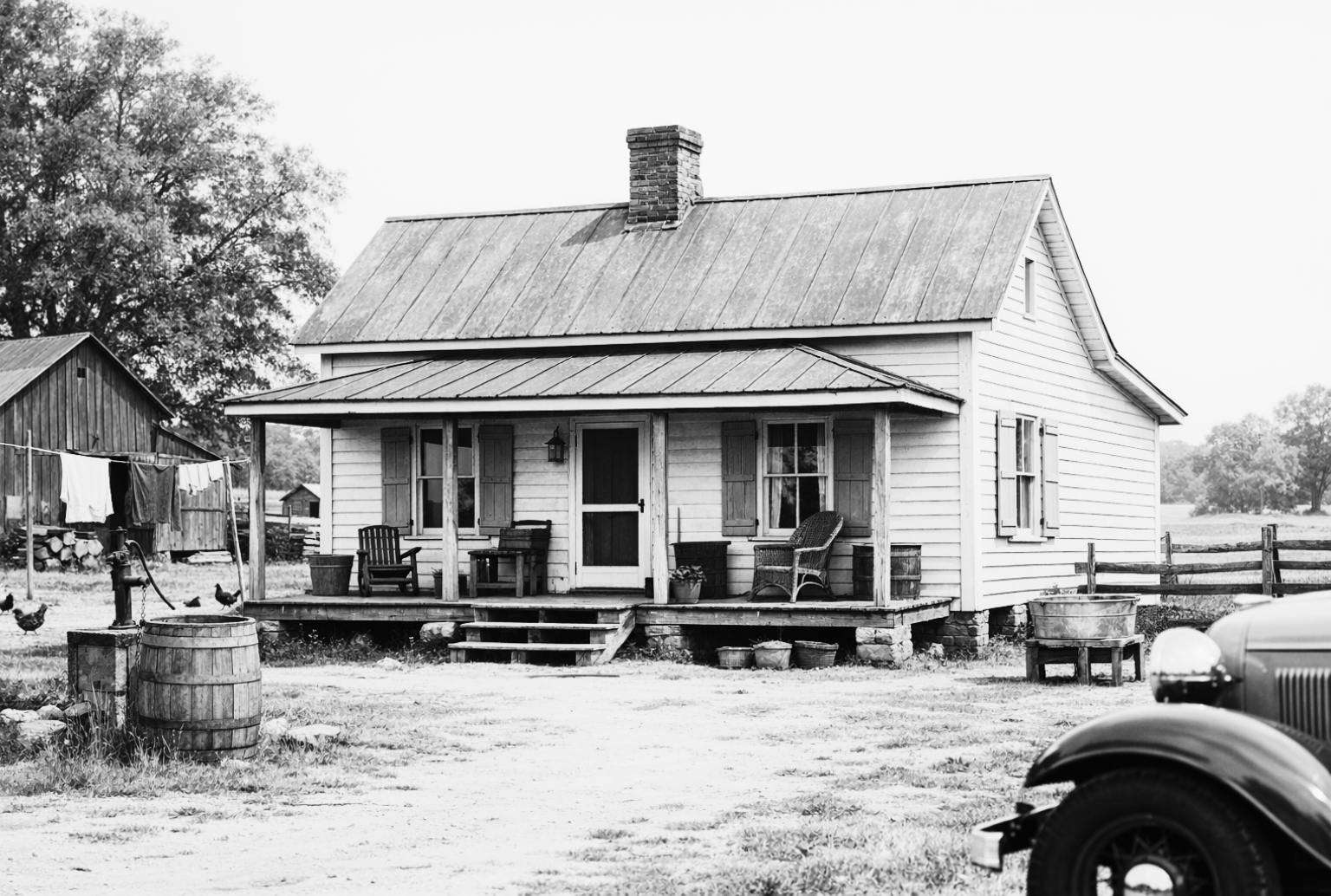
Image for tile. Then and now: 90 years of homeownership The average home is different than it used to be If you stepped into a Carolina home in the mid‑1930s, it would be hard not to notice a few important differences. Windows were often opened for cooling. Coal or wood fireplaces did the heavy lifting in winter. Thermostats weren’t yet commonplace. Today’s buyers and homeowners can still feel the effects. Fast‑forward 90 years, and homeownership looks very different. From size and amenities to financing, understanding the history of how we got here can help you make smarter mortgage or refinancing decisions. How bigger homes changed what buyers need from a mortgage In the 1930s, the average new single‑family home measured under 1,100 square feet. At the same time, households were larger — often with several generations or extended family living under the same roof. Today, the average new home has more than doubled in size, while households are smaller. Extra space adds flexibility: home offices, guest rooms, space to grow. But it also means higher purchase prices and, for many buyers, larger loans. Why today’s mortgages are built for real life In 1935, the average U.S. home cost around $3,900. Mortgage terms were short, often requiring large down payments and ending with a “balloon payment,” or a large lump sum due at the end of a loan. Homeownership was less attainable, and refinancing options were limited. Today’s mortgages are designed to be more manageable and predictable. Long‑term, fixed‑rate loans offer borrowers stability, while refinancing gives homeowners the flexibility to make adjustments when life inevitably changes. Modern mortgages often allow homeowners to: Lower their monthly payments during a busy or transitional season Pay off a home sooner by making payments directly towards the principal Leverage equity to reinvest in their home through renovations and other projects Handshakes, paperwork, and people If you had strong local ties and significant savings, there was a time when a mortgage might have been approved with a handshake and a short stack of paperwork. Today’s process involves much more documentation — but it’s also more transparent and regulated, offering clearer protections for borrowers. At First Bank, we believe that every financial journey should begin with a conversation, not an application. We strive to maintain the trust of the past while making the most of the tools of today. That’s why we combine modern lending options with local guidance from people who are invested in the future of the Carolinas. Homes may be bigger and mortgages more complex, but the goal hasn’t changed: stability, comfort, and a place to call your own. Where’s your next move? If you’re not sure whether you’re ready to take the next step in buying a home, take a look at this helpful article. It breaks down a few key factors in deciding whether homeownership is right for you. But sometimes, the most helpful next step is simply a conversation. Our local mortgage team is here to answer questions, walk through your options, and help you understand what makes sense for your goals. It never hurts to get straightforward guidance from folks you can trust. 3 min read
Image for tile. How to know if you’re ready to buy a home Your guide to homeownership in an uncertain market National Homeownership Month is a good time to slow down and think about what homeownership really means. Owning a home has always been about more than prices and interest rates. It’s about stability, pride, and putting down roots. If you’re a first-time homebuyer, you’re probably wondering whether it’s the “right time to buy” or if you might be better off waiting. But it’s important to remember that no one can predict the market — the better question is whether buying a home fits your life right now. How to know if you’re ready to buy Buying a home isn’t a short‑term investment. It’s a huge financial commitment and a long‑term life decision. And at the end of the day, the choice you’re making isn’t about variables like interest rates, home prices, and market conditions — it’s about what you really want. 4 signs you’re ready for homeownership 1) Life may not be easy, but it’s stable It’s easier to get a mortgage and manage the process of buying a home if your life isn’t in constant motion. You don’t need to have everything figured out, but a steady job and a long-term plan to stay in your target area will make everything easier. 2) Your mortgage payment is manageable A healthy budget leaves room for real life. That means adding to savings, covering household maintenance, and being ready for the occasional surprise. Even if you’re approved for a certain amount, you should think carefully about what payment amount feels comfortable long-term. 3) You plan on staying for a while Homeownership rewards patience. Early payments go mostly towards interest, not principal — which means that building equity takes time. If you expect to stay put for at least a few years, you’ll benefit more from the long‑term value that homeownership provides. 4) You’re ready for the responsibility Owning a home gives you a sense of pride and permanence, but it also means ongoing maintenance costs and constant projects. If you prefer a more flexible lifestyle (or not having to worry if your water heater goes out), renting may be better for you — and that’s okay. National data is important, but your local market matters National headlines don’t always reflect the reality of what’s happening on your street. North and South Carolina are two of the fastest-growing states in the country. People are drawn here from all over the world as they seek new job opportunities, a great quality of life, and a strong sense of community. Growth means opportunity. It also means that some markets have seen explosive price growth, while others remain comparatively affordable. Different cities and counties also have their own property tax rates and insurance requirements, which can affect the math behind your monthly payment just as much as listing prices and interest rates. Because the true cost of homeownership can vary widely from one neighborhood to the next, it’s important to have a local perspective. The first step to finding your dream home is knowing where to look. There’s never a perfect time to buy If you wait for the stars to align, you may end up waiting forever. Making the right decision starts with understanding your own goals and finances, not from predicting market conditions. Sometimes, the most helpful next step isn’t an application. It’s a conversation with someone who understands the Carolinas and takes the time to understand you. At First Bank, we put people first — because great communities start with good neighbors. 4 min read
Shot of an attractive young couple moving house [First Bank Webinar] Homebuyer Happy Hour Event Details: Date: Thursday, January 16, 2025 Time: 6:30 pm to 7:30 pm Location: Zoom Webinar (link provided upon registration) What to Expect: Our First Bank mortgage experts will share general mortgage information along with how the mortgage application process works. Topics covered include: General information: basic mortgage terms and definitions, documentation standards and income calculation Mortgage application process: what to expect, how to prepare Mortgage applicant qualification: loan to value, debt to income ratio and calculations, credit expectations Meet our First Bank Experts: Jarrod Burcham | Mortgage Loan Originator | Greensboro, NC Jarrod pledges professional service and personal attention while finding the right mortgage that fits your needs. Whether you are looking to purchase your first home, build your next, refinance your current home, buy an investment property or purchase a vacation rental, Jarrod will guide you through the home loan process. Monica Moses | Community Mortgage Officer | Apex, NC As Community Mortgage Officer, Monica serves as a liaison for the mortgage loan originators regarding community outreach in underserved markets. One of her focuses is educating potential homeowners by participating in homebuyer workshops in low to moderate income areas. Monica’s role allows First Bank to build connections with minority realtors and builders while enhancing the visibility of our organization. Registrations are now closed – stay tuned for the Q&As from our Homebuyer Happy Hour! Our knowledgeable panel shared their experiences and provided actionable insights during our Homebuyer Happy Hour to help you make informed decisions about homebuying. We will be posting the Q&As from the session to view on our website soon so you won’t miss any valuable expert insights. Keep an eye on our website for updates, and feel free to reach out to one of our loan officers if you have any mortgage questions. 2 min read
Construction Loans NC The thought of building a new home can be daunting. All that planning. All that work. And all that money. At First Bank, we can’t design a floor plan or hang drywall, but we can make that last part a little easier to manage. We offer One-Time-Close Construction to Permanent Loans at all of our North Carolina branch locations as a way of financing your lot, construction, and subsequent mortgage all under one easy-to-manage plan. One-Time-Close Construction to Permanent Loans Our One-Time-Close Construction to Permanent Loans offer 12 months of financing through the construction phase with the ability to seamlessly convert to your permanent mortgage once your home is completed. The details of our One-Time-Close Construction to Permanent Loans in North Carolina include: A selection of adjustable-rate loan options and a fixed construction interest rate for 12 months Interest-only payments during the construction phase No penalties for prepaying the loan and a single set of closing costs Loans for construction only also offered Applying for a construction loan in North Carolina is easy with First Bank. Simply gather your financial and property information, then contact a loan specialist to get the process underway or apply online. If you need more information about One-Time-Close Construction to Permanent Loans before you take the next step, that’s not a problem. We have a collection of articles, guides, and tips about home building and construction loans that are sure to answer any questions you may have. You may also use our mortgage calculator or find a North Carolina mortgage specialist near you. First Bank is also happy to offer One-Time-Close Construction to Permanent Loans with flexible terms and competitive rates to businesses. Let us help you manage the financing of your construction project. We’ll leave the rest up to you. Apply online today. Loans subject to credit approval. ——— Sources: Investopedia: http://www.investopedia.com/terms/f/fixedinterestrate.asp Investopedia: http://www.investopedia.com/terms/a/arm.asp 2 min read
10-Step Program for First-Time Homebuyers If you’re searching for a first-time homebuyer program, it’s important to find a process that is simple and clear. Purchasing a home for the first time is a significant event, so it’s also a process that requires you to be well-informed and careful. In an article by award-winning writer Gina Roberts-Grey, she outlined the top 10 steps all first-time home buyers must consider before taking the plunge: “Review your financial health”—Before you dive into listings and open houses, it’s vital that you evaluate your financial situation. This ranges from your savings to your bills to your 401k; you need to be sure you can afford the expense. “Check into benefits for first-time home buyers”—You can discover options, including tax benefits, that can make the property more affordable. Look into what deals you can find as a first-time homebuyer. “Meet with lenders”—Meet with lenders and present your financial and benefit findings. A lender will assess your credit score and the amount you can qualify for on a loan and will discuss your assets (savings, 401(k), etc.) and debt, as well as any local programs that might be available for down payment assistance. “Shop around for a mortgage”—As you’re searching for pre-approval, don’t take the first offer. Spend time looking at what different lenders can offer. And keep in mind that “pre-approved” and “pre-qualified” are two different things. “Have a backup lender”—Many factors can affect whether or not your mortgage application is approved, including market changes and shifting guidelines. A backup lender that qualified you for a mortgage loan can give you an alternate way to keep the process on, or close to, schedule. Find a realtor—If you’ve reached this step, congratulations. This means you’re ready to find a real estate agent. When you’re looking for a realtor, it’s best to look for one who works with a team of people who can offer suggestions about home inspectors, insurance agents, etc. Decide on a neighborhood—Narrow your search area to help give you a better idea of what you want and can afford. Two primary factors to consider are neighborhood taxes and length of commute to work. When you find a property, crunch your numbers again—At this step, you’ve found your dream home 4 min read
What are 30-Year Mortgage Rates? If you are thinking about buying a home, you may be asking the question, “What are 30-year mortgage rates?” There are many ways to figure out the current average 30-year mortgage rates, but the best way to find out about rates near you is to ask a local mortgage lender, like First Bank. Get Competitive 30-Year Mortgage Rates at First Bank First Bank offers a variety of home loans with competitive mortgage rates, including a 30-year, fixed-rate conventional loan. 30-year fixed-rate mortgages are some of the most popular mortgages, as they provide homeowners with a fixed interest rate and lower monthly payments. Benefits and features of First Bank’s 30-Year Mortgage include: Your interest rate and monthly principal and interest (P&I) payments remain the same for the life of your loan Predictable monthly P&I payments allow you to budget more easily Protection from rising interest rates for the life of the loan May be a good choice if you plan to stay in your home for a long time Tips for Paying Off Your 30-Year Mortgage A 30-year mortgage does not have to be a 30-year commitment. Plenty of people pay off their mortgages early and you can too. Money Smart Guides provides some great tips for how to do it. Use tax refunds. If you get a sizable tax refund each spring, put it toward your mortgage. This could be the equivalent of making six months worth of mortgage payments at once. Pay extra early. The early payments of a mortgage go mostly to interest while the later stages involve more principal. Paying hundreds extra now can save you thousands later. Pretend to refinance. In other words, calculate how much it would require you to pay each month to pay off your 30-year mortgage in 15 years or 20 years and commit to it. Round up payments. Bump up your monthly payments to the nearest round number. You won’t notice the missing money now but you will when it shaves years off your mortgage. Note: some lenders penalize homeowners for prepaying their loan. Before you prepay your loan, it is best to research prepayment penalties in your state. Find a Good Place to Start What good are 30-year mortgage rates if you don’t find a 3 min read
Mortgage Rates 101: Information You Should Know Acquiring information about mortgage rates is a vital step in the home buying process. Mortgage rates vary based on several factors, such as the amount and type of your loan and your credit score. To get better mortgage rates in your area, it’s best to contact your local lender like First Bank. First Bank’s Mortgage Center provides customers with answers to common questions about loan options, mortgage rates information, and more. Whether you are a first-time homebuyer, an experienced homebuyer, or building a new home, we provide information that can help you qualify for the loan and purchase your new home. Mortgage Rates Information from First Bank You will typically have multiple loan options to choose from before purchasing a home, including conventional mortgages, government loans, and construction loans. Two of the most popular types of home loans are conventional adjustable-rate and fixed-rate mortgages. Conventional adjustable-rate mortgages: Interest rate, monthly principal, and interest payments remain the same for an initial period of 3, 5, or 7 years, for example—then adjust periodically. Interest rate caps set a limit on how much your interest rate can increase. ARMs typically have a lower initial interest rate than fixed-rate mortgages. Monthly principal and interest payments may increase as the rate adjusts. Conventional fixed-rate mortgages: Interest rate and monthly payments stay the same for the duration of the loan. Offers protection from rising interest rates for life of the loan. Available in 15-year, 20-year, and 30-year fixed-rate loan term options. For more information on conventional mortgage rates or mortgage rates on our other home loan options, find your local First Bank loan officer today. Loans subject to credit approval. ——— Sources: Investopedia: http://www.investopedia.com/terms/c/credit_score.asp Investopedia: http://www.investopedia.com/articles/pf/05/022405.asp?lgl=mtdt-v1 2 min read
What Are 15 Year Mortgage Rates? What are 15-year mortgage rates? It seems like a long time doesn’t it? But when you really think about it, 15 years is nothing. Think of all the things you’ve done, the places you’ve been and the people you’ve met in the last 15 years. Where does it all go? For a different perspective, consider that the average American will spend nine years of their life watching television, four years driving a car and 2.5 years cooking. Add it all up and in the time you spend doing those three things you could’ve paid off a 15-year mortgage. First Bank’s Mortgage Know-How center has a number of resources for anyone wanting more information about what 15-year mortgage rates are. About 15-Year Mortgage Rates You can call our mortgage help center at 1-844-855-2262 to seek answers to your questions or expert guidance Use our mortgage calculator to estimate your monthly payments for a 15-year mortgage, determine if you should rent or buy or calculate refinancing savings Complete a loan application online if you are seeking 15-year mortgage rates Our Mortgage Know-How center has articles, tips and guides for first-time buyers, experienced buyers, refinancers and builders You can go online to print necessary forms, check your loan status or contact us for information regarding your loan Get a free consultation with one of our loan officers With more than 100 locations across the Carolinas, there’s a First Bank loan expert near you who will be happy to get the loan process started. With First Bank, you’re sure to find the right mortgage option for your needs.* We offer conventional loans of both adjustable and fixed rates. We have jumbo loans, government loans such as rural housing, FHA loans, construction loans for builders and professional loans for doctors, CPAs, and lawyers. So if you’re seeking 15-year mortgage rates, let First Bank be your time machine and watch the years go by. Loans subject to credit approval. ——— Sources: Distractify: http://news.distractify.com/dark/trivial-facts/astounding-facts-about-how-we-actually-spend-our-time/ 2 min read
First Time Buyer? For most of us, buying a home is the largest purchase we’ll ever make. If you are a first-time homebuyer, you may be asking questions like, “What is a first home mortgage?” What is a First Home Mortgage? A first home mortgage is a loan you will use to purchase your first home. These loans can come in a variety of forms, from conventional home loans to FHA loans for first-time homebuyers. First Bank offers the following mortgage loans* for first-time homebuyers: Conventional Loans Government loans Professional loans Construction loans Jumbo loans In addition to providing a selection of mortgage opportunities, First Bank also offers a wealth of information about what a first home mortgage is and what can be expected when shopping for your first home. Tips for Buying Your First Home Knowing what a first home mortgage is can go a long way toward easing the process of turning that key for the very first time. U.S. News and World Report highlighted some of the most common mistakes first-time home buyers make and how you can avoid them. Among them were: Searching for your dream home before being pre-qualified for a loan. The reality of what a first home mortgage is can be vastly different than what you were hoping for. Take the time to seek out a mortgage loan specialist at a place like First Bank so you can find out what you can afford and what your expected monthly expenses will be. Thinking short-term. First-time buyers are often so focused on moving in that they don’t ever consider moving out. Chances are, you’ll one day be ready to move into another home as you start a family or change jobs. Think about the factors that will affect how you’ll be able to sell your home in five years such as economic growth in the area or neighborhood expansion. Making an emotional decision. It’s important to sign a mortgage paper with your head and not with your heart. You may be overlooking some serious red flags such as expensive repairs, structural damage, or mold simply because you’re in love with the open layout. Find a First Bank Near You Ready to get started? Check out First Bank’s guide 3 min read
What Are 30-Year FHA Mortgage Rates? If you are considering applying for an FHA loan to purchase a home, you may be wondering, “What are 30-year FHA mortgage rates?” If you want to find out what the current average 30-year FHA mortgage rates are, the most accurate way to find out is to visit your local First Bank and ask about our FHA mortgage loans. Determining 30-Year FHA Mortgage Rates Securing a good 30-year FHA mortgage rate depends on a few different factors, including: How much you can put forth as a down payment Whether the loan is fixed or adjustable-rate If the loan is adjustable-rate, your margin Your credit history and current finances What is an FHA Mortgage Loan? The recession experienced in the last decade caused a dip in the housing market. This downward trend of the housing market has led to an increasing popularity of FHA mortgage loans. But before you shop around for what all the current 30-year FHA mortgage rates are, it’s important to know exactly what FHA loans are. An FHA loan is a mortgage that is insured by a government agency called the Federal Housing Administration. By purchasing mortgage insurance, borrowers are often able to secure low interest rates under more flexible qualification requirements. A few key facts about FHA mortgages include: Down payments for an FHA loan can be as low as 3.5%. This is well below the traditional down payment of up to 20%. FHA loans allow for sellers, lenders or builders to contribute to the closing costs on the buyer’s behalf. The lender must be FHA-approved. First Bank is an example of an FHA-approved lender with 30-year FHA mortgage rates. Mortgage insurance is required. This protects the lender from loss as a result of a default and is what opens the door for low down payments and interest rates. Visit Your Local First Bank Today If you want to know what 30-year FHA mortgage rates are, contact your local First Bank representative. Use a loan officer finder to locate a First Bank loan specialist near you and set up a consultation. If there’s no First Bank loan officer near you, simply fill out our online application and a mortgage specialist will contact you to address your needs.* *Loans subject to credit approval. ——— 2 min read
15-Year North Carolina Mortgage Rates Looking for information and assistance in choosing a 15-year mortgage rate that suits your needs? First Bank has a North Carolina location nearby that can help you with your decision to invest in a 15-year mortgage. 15-year North Carolina mortgage rates can vary and depend on a number of factors with your application, but to get a rough idea of the current average rates check out the Mortgage News Daily. 15-Year North Carolina Mortgage Rates | First Bank First Bank offers conventional fixed-rate mortgages in terms of 15, 20, and 30 years. Our 15-year fixed-rate mortgages offer predictable monthly payments, as your interest rate and your total monthly payment of principal and interest will remain the same for the duration of the loan. Benefits include: Predictable monthly P&1 payments allow you to budget easily Protection from rising interest rates for the duration of the loan Overall interest paid on 15-year mortgages will be less than other longer-term loans Understanding Mortgage Rates in North Carolina One advantage of a 15-year mortgage rate is that it has a more competitive interest rate than that of its 30-year counterpart. A 15-year mortgage rate may allow the borrower to pay less interest over the duration of the mortgage and build equity more quickly. However, the disadvantage is that your monthly mortgage payments might be higher than that of a 30-year mortgage because you are essentially paying off the mortgage in half the amount of time. Mortgage rates come in the form of fixed or adjustable. The advantage of a fixed-rate mortgage is that your interest rate and mortgage payments will never change during the lifetime of your mortgage. Because of this stability, fixed-rate mortgages are the most popular kind of home mortgages. Adjustable rate mortgages (ARM) come with a fluctuation of interest rates from year to year that are dictated by and reflective of the market. Regardless of the type of the mortgage you choose, the payment of principal itself is only a portion of what’s included in a monthly mortgage payment. Borrowers also must pay the interest, and typically property tax, property insurance, and sometimes mortgage insurance. Compare 15-Year NC Mortgage Rates at First Bank First Bank has several convenient locations in North Carolina and offers mortgages of 3 min read
Work with a local mortgage specialist
First Bank logo
Privacy Overview

This website uses cookies so that we can provide you with the best user experience possible. Cookie information is stored in your browser and performs functions such as recognizing you when you return to our website and helping our team to understand which sections of the website are the most popular and useful.