Then and now: 90 years of homeownership
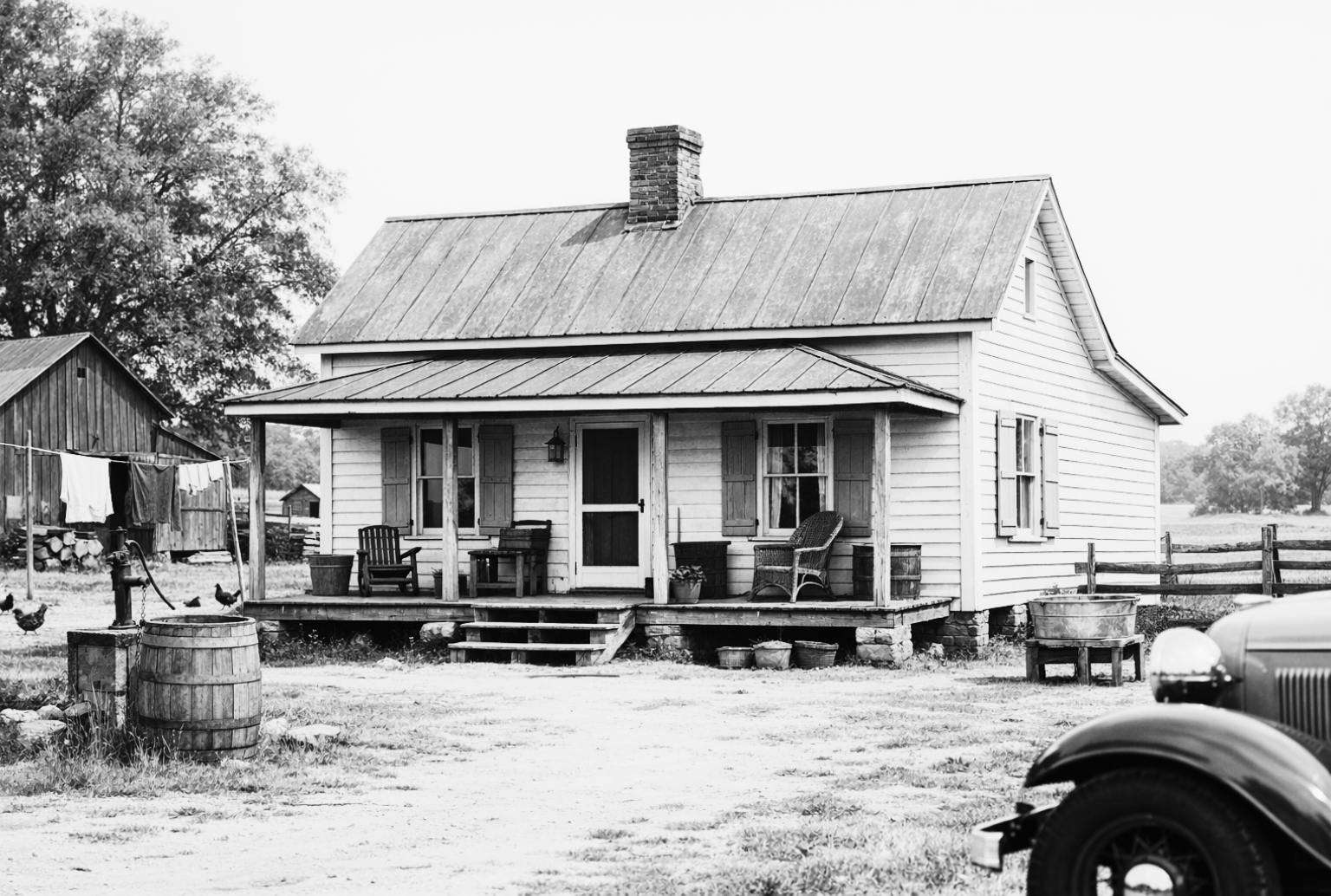
The average home is different than it used to be
If you stepped into a Carolina home in the mid‑1930s, it would be hard not to notice a few important differences. Windows were often opened for cooling. Coal or wood fireplaces did the heavy lifting in winter. Thermostats weren’t yet commonplace.
Today’s buyers and homeowners can still feel the effects. Fast‑forward 90 years, and homeownership looks very different. From size and amenities to financing, understanding the history of how we got here can help you make smarter mortgage or refinancing decisions.
How bigger homes changed what buyers need from a mortgage
In the 1930s, the average new single‑family home measured under 1,100 square feet. At the same time, households were larger — often with several generations or extended family living under the same roof. Today, the average new home has more than doubled in size, while households are smaller.
Extra space adds flexibility: home offices, guest rooms, space to grow. But it also means higher purchase prices and, for many buyers, larger loans.
Why today’s mortgages are built for real life
In 1935, the average U.S. home cost around $3,900. Mortgage terms were short, often requiring large down payments and ending with a “balloon payment,” or a large lump sum due at the end of a loan. Homeownership was less attainable, and refinancing options were limited.
Today’s mortgages are designed to be more manageable and predictable. Long‑term, fixed‑rate loans offer borrowers stability, while refinancing gives homeowners the flexibility to make adjustments when life inevitably changes.
Modern mortgages often allow homeowners to:
- Lower their monthly payments during a busy or transitional season
- Pay off a home sooner by making payments directly towards the principal
- Leverage equity to reinvest in their home through renovations and other projects
Handshakes, paperwork, and people
If you had strong local ties and significant savings, there was a time when a mortgage might have been approved with a handshake and a short stack of paperwork. Today’s process involves much more documentation — but it’s also more transparent and regulated, offering clearer protections for borrowers.
At First Bank, we believe that every financial journey should begin with a conversation, not an application. We strive to maintain the trust of the past while making the most of the tools of today. That’s why we combine modern lending options with local guidance from people who are invested in the future of the Carolinas.
Homes may be bigger and mortgages more complex, but the goal hasn’t changed: stability, comfort, and a place to call your own.
Where’s your next move?
If you’re not sure whether you’re ready to take the next step in buying a home, take a look at this helpful article. It breaks down a few key factors in deciding whether homeownership is right for you.
But sometimes, the most helpful next step is simply a conversation. Our local mortgage team is here to answer questions, walk through your options, and help you understand what makes sense for your goals. It never hurts to get straightforward guidance from folks you can trust.


