Back
Scroll to top

Managing Cash Flow Articles

Keep your day-to-day operations afloat with cash flow best practices.

Learn About Managing Cash Flow

Use these articles to learn strategies for managing your cash flow positively.

All Protecting Your Assets Managing Cash Flow Employee Benefits Preventing Fraud Scaling and Growth Loans and Credit Small Business Essentials Starting Your Business
Image for tile. ACH Prenotes Explained: How to Verify Account Information Before Sending Payments When Should You Use Prenotes? Prenotes aren’t required in every situation, but they’re a smart step when accuracy matters. Common use cases include: Paying a new vendor by ACH for the first time Setting up direct deposit for a new employee Updating banking details for an existing vendor or employee Switching from checks to ACH payments Sending high‑volume or high‑dollar ACH payments If incorrect account information would cause delays, fees, or operational issues, prenotes are worth the extra step. How Prenotes Work (Step‑by‑Step) Enter the recipient’s bank account and routing number in your ACH system Send a prenote instead of a live payment The prenote is sent with a $0 amount The receiving bank reviews the account details Wait at least three business days If no return is received, you can begin sending live ACH payments If a problem is found, the prenote will be returned so you can correct the information before any money is involved. Key Rules to Know Prenotes are optional — they are not required by Nacha rules No money moves; prenotes are always sent for $0 You must wait at least three business days before sending live payments If a prenote is returned, the account information must be corrected before retrying Prenotes don’t last forever — if account details change or too much time passes, a new prenote should be sent Your bank may have additional ACH requirements, so it’s important to follow your institution’s guidelines. Why Prenotes Matter Skipping prenotes can seem faster, but it increases risk for your business. Fraud prevention: Prenotes help catch invalid or suspicious account details early Fewer returns: Incorrect payments can lead to ACH returns, fees, and added scrutiny Operational efficiency: Fixing errors before payments go live avoids delays, rework, and frustration Prenotes help protect your business from payment errors that cost time, money, and trust. 2 min read
Image for tile. When Does an ACH Payment Need to Say “PAYROLL”? What is the Nacha PAYROLL rule? Nacha imposed this new rule in March 2026 to increase fraud prevention and decrease payment confusion. The word “PAYROLL” is now required in the Company Entry Description only when all of the following are true: The ACH entry uses the PPD SEC code The payment represents wages, salaries, or similar compensation The payment is made to an individual (an employee or consumer) If any one of those things is not true, the “PAYROLL” requirement does not apply. What is the Company Entry Description? The Company Entry Description is a short line of text included in an ACH transaction. It helps the person or business receiving the payment understand what the deposit is for when it shows up on their bank statement. Common examples include: PAYROLL RENT VENDORPAY REIMBURSE Nacha sets rules around this field to promote transparency and reduce fraud. One of those rules now requires a specific description — “PAYROLL” — in a very specific scenario. What is an SEC code? An SEC code (short for Standard Entry Class) is a three‑letter code used in the ACH network to describe what kind of payment is being made and who is being paid. Think of the SEC code as the label that tells banks and payment systems how to process the transaction. It identifies whether a payment is going to an individual or a business — and that distinction matters for compliance. Two of the most common SEC codes are: PPD — used for ACH payments to individuals, such as employee payroll CCD — used for business‑to‑business ACH payments, like vendor or service payments Nacha rules, including Company Entry Description requirements, are often tied to the SEC code. That’s why using the correct SEC code is just as important as the payment description itself. Why SEC codes matter: PPD vs. CCD A lot of the confusion comes from mixing up two common ACH SEC codes. The key question to ask is simple: Who is being paid — an individual or a business? PPD (Prearranged Payment and Deposit) Used for payments to individuals Common for employee payroll and other consumer credits This is the only SEC code where the “PAYROLL” description requirement applies CCD (Corporate Credit or Debit) Used for business-to-business payments Common for vendor payments, service fees, and reimbursements paid to a business entity The “PAYROLL” description requirement does not apply Who is responsible for getting it right? Under Nacha rules, the compliance obligation follows the originator of the PPD credit — the business that is paying the individual. That’s why it’s important to: Use the correct SEC code Apply the “PAYROLL” description only when required Avoid over-labeling business-to-business payments Using the wrong description can create confusion for recipients and raise unnecessary questions during reviews. The bottom line: Not every ACH credit needs to say “PAYROLL.” That requirement applies only to PPD credits paying wages or similar compensation to an individual. Business-to-business ACH payments using CCD entries are not subject to this rule. When you understand the “why” behind the rule, compliance becomes a lot less stressful. And if you’re ever unsure which SEC code or description is right for your ACH payments, your First Bank treasury management team is here to help — with clear answers, not guesswork.   Test your knowledge Select an option Paying employees their wages Paying a payroll service provider or staffing firm Paying a contractor or broker that operates as an LLC or corporation “PAYROLL” is required SEC code: PPD Receiver: Individual employee “PAYROLL” is not required SEC code: CCD Receiver: Business entity “PAYROLL” is not required SEC code: CCDReceiver: Business entity Use the dropdown to see common examples of when PAYROLL is required and not required in the Company Entry Description 4 min read
Image for tile. What Is Nacha? Understanding the ACH Network and Its Rules A simple way to think about Nacha: the traffic authority for ACH payments The ACH Network is the highway system that payments travel on. Banks, businesses, and payment processors are the drivers. Nacha writes the rules of the road so payments move safely and predictably. This includes defining standards, setting expectations, and establishing consequences when rules are not followed. Without shared rules, payments could be delayed, misdirected, or abused. Nacha’s role is to ensure everyone follows the same standards so payments reach the right place at the right time. Why Nacha Rules Matter Nacha rules help ensure ACH payments are authorized, properly identified, and monitored for unusual or fraudulent activity. These standards allow the ACH Network to operate at scale while remaining reliable and secure. Nacha regularly updates its rules to address emerging risks, strengthen fraud prevention, and reflect changes in how electronic payments are used. What Happens If Nacha Rules Aren’t Followed? Failing to follow Nacha rules can lead to operational and financial consequences. Depending on the issue, this may include payment delays, rejected transactions, increased scrutiny from your bank, or formal warnings and fines through Nacha’s compliance process. In serious or repeated cases, businesses may lose access to ACH services altogether. Nacha maintains a formal compliance and enforcement process to help protect the safety and reliability of the ACH Network. Why This Matters for Your Business If your business sends or receives ACH payments, Nacha rules apply to you, even if you never interact with Nacha directly. Understanding Nacha’s role helps explain why certain requirements exist and why rule changes, such as updates to payroll transaction descriptions, are introduced. Staying informed about Nacha rules can help businesses avoid disruptions and keep payments running smoothly. 2 min read
Image for tile. Cash Flow Management: The Key to Navigating Uncertainty Why Strong Cash Flow Gives You a Competitive Edge Want more flexibility, faster decisions, and less stress when the market shifts? It all starts with how you manage your cash flow. In 2025, cash flow isn’t just about covering expenses—it’s your lever for growth, agility, and opportunity. By tightening control over how money moves through your business, you can: Get paid faster — improve your receivables process so you have more working capital on hand Free up cash — identify hidden costs and reinvest savings back into what drives growth Act in real time — use digital tools to secure your accounts and make quicker, data-driven decisions Access funding when it counts — set up flexible capital solutions before you actually need them The more control you have over your cash flow, the more confidently you can lead—no matter what the economy brings. Business Banking Tools That Put Your Strategy Into Action These First Bank business banking tools are designed to help you manage cash flow more effectively—so you can move forward with greater speed, flexibility, and control. Remote Deposit Capture Deposit checks without a trip to the bank. Reduce delays and bring cash into your business faster. Corporate Online Banking Monitor cash flow, approve transactions, and track spending patterns 24/7 from any device. Credit Card Processing Make it easier for customers to pay you, and speed up receivables with streamlined payment solutions. Positive Pay Protect your business from check fraud and reduce the risk of disruptions or financial loss. Business Line of Credit Access working capital before it’s urgent. Use funds as needed to smooth out cash flow gaps or invest in growth. Business Credit Card Float expenses, control team spending, and earn rewards for everyday purchases. Unlock the Full Potential of Your Cash Flow Cash flow isn’t just a financial metric—it’s a tool for growth, stability, and smarter decision-making. With the right strategy and support, you can reduce financial stress, move faster when opportunity knocks, and stay in control even when the economy shifts. At First Bank, we bring local insight and tailored solutions to help businesses across the Carolinas manage cash with confidence. From digital tools to flexible capital options, everything we offer is designed to keep your business agile, resilient, and ready for what’s next. Let’s build a cash flow plan that works for you. Schedule a Consultation Master Your Cash Flow Book a one-on-one consultation with a local First Bank expert and take control of how cash flows through your business. Let’s Build a Cash Strategy That Works for You Additional Datum (leave alone) First Name Last Name Email Zip Code Phone Business Name My Interests My Interests Checking or Savings Account Business Loans and Credit Options Cash Management Solutions Payment Processing and Management Remote Deposit Capture Payroll Options Other 3 min read
Image for tile. [First Bank Webinar] Banking on Business: Everyday Strategies for Running Your Business Event Details: Date: Tuesday, October 29 Time: 12-1 pm Location: Zoom Webinar What to Expect: Our First Bank experts will share tips and advice on running your business day-to-day in a dynamic roundtable format moderated by Joe Diggs, SBA Sales Leader. Topics covered include: Cash Management: Efficiently managing your cash flow and financial operations Preventing Fraud: Protecting your business from financial threats Access to Capital: Exploring the best ways to secure funding for growth Growth Strategies: Planning for long-term success Employee Engagement: Building a motivated and dedicated workforce Meet our First Bank Experts: Joe Diggs, SBA Sales Leader Jenna Williams, Director of Treasury Services Rob Patterson, Community Banking Executive Karen Smith, First@Work Business Development Officer Our knowledgeable panel will share their experiences and provide actionable insights, helping you make informed decisions for your business. Whether you’re looking to streamline operations, expand, or improve employee satisfaction, this webinar has something for everyone. How to Register: [Registration closed] Can’t Attend? We’ve Got You Covered We understand that not everyone may be able to attend due to scheduling conflicts or potential disruptions, especially with Hurricane Helene impacting parts of the Carolinas. If you’re unable to join the webinar live, whether due to internet access issues or other conflicts, don’t worry! We will be recording the session, and it will be available for you to view on our website. The recording will be posted shortly after the event, so you can still benefit from the expert insights and strategies discussed. Keep an eye on our website for updates, and feel free to reach out to your local branch for any specific questions you may have after viewing the recording. 2 min read
Business woman looking over notes while on the phone. A Complete Guide to Business Loans Owning a business comes with tremendous opportunity, but it also takes significant amounts of discipline, time, effort, and of course, money. Whether you are running a major corporation or starting a small business from the ground up, capital is vital for your growth and success. For this reason, many organizations seek business loans to obtain the financing they need. Loans in general are very common. Most people are familiar with personal loans, such as student loans, car loans, and mortgages. Business loans are actually quite similar, but they can certainly seem overwhelming at first glance. And while they are an effective tool to kickstart your business, there’s a bit more to them than that. But not to worry, we have you covered! Before applying for a business loan, it is critical to understand what they are, the standard terms and language used in business loans, what you’ll need to apply and qualify for a business loan, and the different types of business loans and their advantages. Some of this guide may seem straightforward, but at First Bank, we take pride in keeping you informed and in‑the‑know. Additionally, business loans can be hard to get, and the requirements can be strict. But that’s exactly what we’re here for — we want to help your business grow. Follow our step‑by‑step guide to prepare your business loan application and improve your odds of being approved. What This Guide Covers: What is a business loan? What are key terms to know regarding business loans? What factors do most lenders consider for business loan approval? What documents might you need to apply for a business loan? How can you improve your odds of being approved for a business loan? How does a typical business loan process work? What are the advantages of business loans? What are the different types of business loans? What Is a Business Loan? Business loans are used to finance a variety of business operations and expenses by borrowing money from a lender under specific terms and conditions. When a company needs financing or capital, it can turn to a bank or other financial institution for a business loan. Whether you’re starting, acquiring, or expanding a business, you won’t want to drain 28 min read
Where to Get Payroll Services If you are wondering where to get payroll services, consider First Bank. With First Bank’s payroll services, you can: Reduce expenses associated with paper-based payment systems like printing and storing of checks. Manage risks by reducing check fraud losses. Submit transaction information directly through our online banking system. Handle direct deposits into employee accounts without having to write checks. Payroll Services from First Bank If you want to cut business costs and start saving money, switching to a payroll service is a great way to begin. Payroll services enable you to maintain control of your funds until you need them, all while eliminating the need to buy paper excess paper or to hire a bookkeeper. With First Bank, you don’t have to wonder where to get payroll services anymore. Our Payroll Direct Deposit service can be used to disburse funds such as:* Direct deposit of payroll Expense reimbursement Royalty payments Vendor payments Our electronic disbursement payments give you control of your funds until the moment you need them to cover disbursements. You can also reduce the time and expense or writing, processing, and reconciling checks when you provide information electronically. If your company uses payroll, pensions, expense reimbursements, annuities, dividends, interest, or royalties and has vendors interested in electronic payments—First Bank’s payroll solutions might be a great solution for your business. Visit a branch near you for a free small business financial consultation or more information. *Subject to credit approval. ——— Sources: Business News Daily: http://www.businessnewsdaily.com/7477-choosing-payroll-service.html Investopedia: http://www.investopedia.com/terms/d/disbursement.asp 2 min read
Small Business Payroll Services If you’re like many small business owners, it’s likely that you wear many hats and are always on the go. From managing to accounting, there are multiple tasks you have to manage each day. Simplify your to-do list with payroll services for small businesses from First Bank. Outsourcing Your Payroll Services Many small businesses outsource services to compete with larger companies. Payroll services are one of the primary aspects of conducting business that new entrepreneurs outsource, and the benefits can add up. Instead of spending a significant amount of time providing management reports, calculating payroll, and preparing checks, owners and their employees can focus on the rest of their work priorities. The Houston Chronicle named its top 4 advantages of outsourcing payroll as part of your business’ financial management. “Accountability”—With constantly changing tax regulations, it’s almost inevitable that you’ll make an error in your calculations. Many payroll providers “offer services to file state and federal payroll taxes for your business.” This saves you time that might have been lost in calculating taxes and potentially refiling them later. “Tax Expertise”—The IRS states that “40 percent of small businesses pay penalties each year for late or incorrect filings and payments.” How can you avoid this? A tax guarantee. This is something that many payroll providers offer that may cover you financially if any penalties are incurred when taxes are filed. “Productivity”—This can’t be emphasized enough: outsourcing payroll services saves you time (a lot of it). Managing your own payroll system takes up a lot of your time and prevents you and your employees from pursuing “more important value-added and revenue-generating activities.” It can also save your employees a trip to the bank. “Financial Reporting”—Drafting and finalizing financial reports for your small business is also extremely time-consuming. Many outsource providers offer a variety of report services, including “summaries on earning statements, payroll by departments, timesheets, expenses,” and more. This helps you to keep detailed records of your business’ financial history. A Payroll Service Provider You Can Trust for Your Small Business When you’re outsourcing a service, particularly a financial one, it’s important for you to not only have confidence in that provider’s abilities but in its trustworthiness as well. As your community bank, we’ve 3 min read
Where to Get Mobile Payroll Solutions In today’s on-the-go world, you can do just about anything from a mobile phone, tablet or laptop. If you run a business in this tech-driven environment and have employees to pay, you might be wondering where to get mobile payroll solutions. First Bank has more than 100 locations in the Carolinas, but you don’t need to physically visit one to satisfy your payroll or banking needs. With free online and mobile banking for all of our business checking and savings accounts, First Bank is with you and your employees wherever you go. Mobile Banking Options First Bank provides customers with two easy ways to bank on the go. With a wireless web connection, just log into your account through our website to access your money 24 hours a day, making it easy to process your payroll during off-business hours. If you have an iPhone, iPod touch or Android device, just download our LocalFirstBank mobile app* and access your account with one touch of the screen. Mobile Payroll Benefits First Bank is the go-to place to get mobile payroll solutions. We offer a number of advantages associated with digital banking. By being able to make direct deposits from any location at any time, our business customers can: Cut Costs. Stop spending money on printed checks and postage and avoid fees associated with stop payments and reissues for lost or stolen checks. Improve timeliness. Nobody likes waiting for their paycheck and with our direct deposit service you can easily distribute checks to absent or off-site employees. Eliminate the time required to print, sign and mail checks. Reduce risk. Eliminate check fraud by eliminating checks altogether. Provide added convenience. Allow your employees to split their deposits between checking and savings accounts and reduce trips to the bank. Get Mobile Payroll Solutions with First Bank Learn more about why First Bank is where to get mobile payroll solutions and how you can even use payroll cards to make direct deposits to employees without bank accounts. *While First Bank does not charge for mobile banking, check with your mobile service provider for web access fees. iPhone®, and iPod Touch® are registered trademarks of Apple, Inc. Android™ is a trademark of Google Inc. ——— Sources: Investopedia: http://www.investopedia.com/terms/d/directdeposit.asp Investopedia: 2 min read
Get Maximum Flexibility With a Small Business Credit Card Many small business owners often find themselves managing their business operations, financials, customer service and more. First Bank wants to lessen your workload with a small business credit card to streamline your financials into one place. A small business credit card not only allows you to establish good credit in your business’ name, but it also provides you with maximum flexibility for your business’ expenses. This flexibility stems from the ability to continue charging up to your credit limit in cases of larger purchases, as long as you repay your monthly bill. Having a specific business credit card also separates expenses for your personal card from those for your business when monthly bills arrive. 9 Benefits of a First Bank Credit Card for Your Small Business At First Bank, we know flexibility is essential when it comes to running a small business so we made sure to create a small business credit card* that caters to the user’s financial freedom in a convenient and secure way. Let’s take a look at the benefits our First Bank Business World Elite credit card can provide you. No annual fees. Yes, you read that right. No annual fees, whatsoever. Earn rewards on your every day and monthly purchases. With our business credit card, you can earn 1.25 points for every $1 spent on a qualified purchase. Calculate your points total with our rewards calculator. Zero liability means you only pay for purchases you’ve authorized on your Mastercard® debit or credit card. Other security benefits include protection in cases of employee misuse of charge privileges and fraudulent online use of your card information. Extended warranties. Paying with your eligible Mastercard can double your manufacturer warranties up to one year. Get coverage for items purchased with an eligible Mastercard that protects you if an item is damaged or stolen within 90 days of the purchase date. Travel assistance. Traveling 50 miles or more? We’ve got you covered with numerous travel-related assistance services, including medical and legal referrals to help during an emergency. Rental insurance that can provide you with reimbursement for physical damage to or theft of a rental vehicle. Recover VAT (Value Added Taxes) expenses incurred by U.S. company employees during foreign business travel. Visit 3 min read
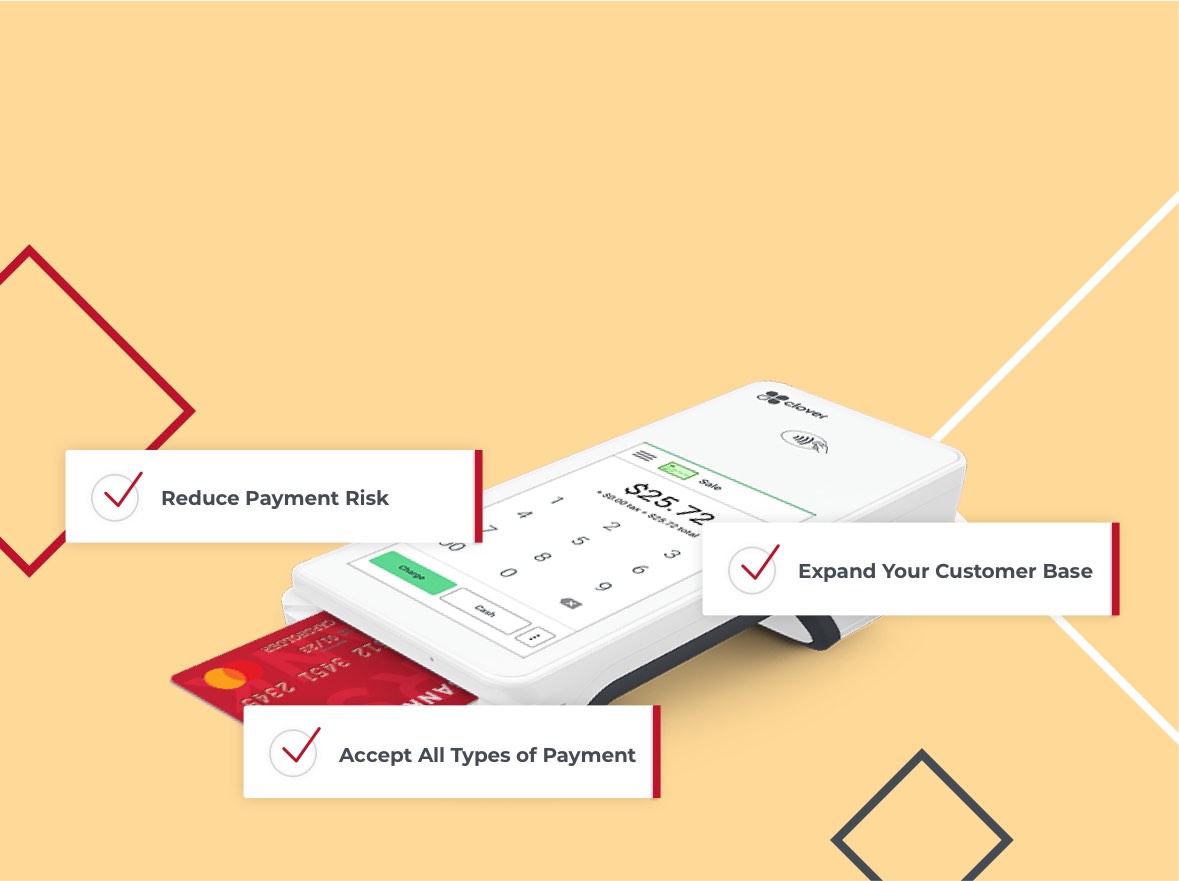
What Are Mobile Merchant Services? If you own a business, you know how essential technology is to making it run smoothly. You may have even asked the question, “What are mobile merchant services?” Read more to figure out what mobile merchant services are and how First Bank can help you use them. What Are Mobile Merchant Services? In today’s world, keeping up with changes in technology is important, especially when running a business. Payment methods have evolved throughout the years, from cash and checks to credit and debit cards. Now, the mobile platform is being heavily utilized. Your business should be positioned to accommodate this changing landscape. Mobile merchant services are when a bank handles mobile electronic payment processing for merchants. In other words, mobile merchant services allow you to accept electronic payments through your cell phone or other mobile devices. First Bank offers a variety of merchant services, including in-store and mobile credit card processing. Credit card processing is a convenient way to control your cash flow by ensuring timely, automatic deposits into your account. With First Bank’s in-store and mobile merchant services, you get: Competitive rates with no hidden fees Multiple authorization networks and transaction processing methods Experienced and dedicated sales staff support National processing capabilities Comprehensive 24-hour online reporting Automated in-house chargeback/retrieval processing system with 24-hour turnaround 24-hour in-house merchant help desk 48-hour merchant settlement (24-hour merchant settlement if going to a First Bank account) Easy application process Contact First Bank Today Since 1935, First Bank has been dedicated to helping local businesses get the most out of their money. To learn more or to sign up for a free demonstration of our card processing services, call or visit a local branch. ———- Sources: Investopedia: http://www.investopedia.com/terms/m/merchant-account.asp 2 min read
Let’s Partner
At First Bank, our team of business experts partners with you to recommend the right tools for growing your business. See the benefits of having an independent local bank on your team.
First Bank logo
Privacy Overview

This website uses cookies so that we can provide you with the best user experience possible. Cookie information is stored in your browser and performs functions such as recognizing you when you return to our website and helping our team to understand which sections of the website are the most popular and useful.