Back
Scroll to top

Personal Finances

From savings to credit, become an expert on your personal finances. Check out these educational resources to learn how.

Featured Image

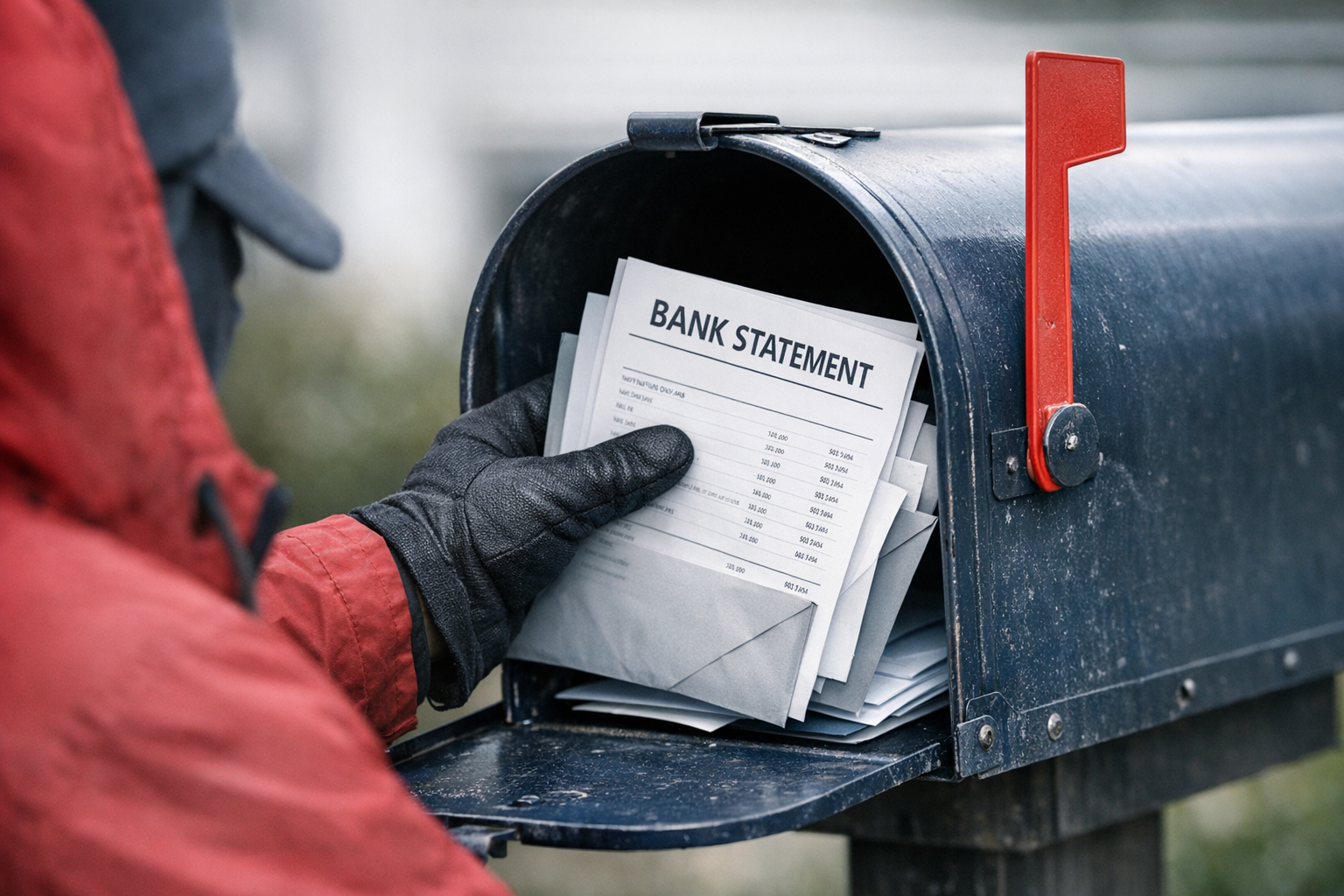
How eStatements help protect you from fraud

Are you leaving an unwanted paper trail? Fraud can come from unexpected places — it can even start right in your mailbox. When paper bank statements travel through the mail, they’re vulnerable to prying eyes. And with mail theft on the rise, financial documents are a common target for identity thieves. Choosing eStatements is a simple way to reduce that risk. Not only do they help you protect sensitive information, but they also make it more convenient to see your account activity. The hidden risks of paper statements Even after delivery, paper statements can pose a risk. Statements left in a box, misplaced at home, or tossed without shredding can be retrieved and misused. A typical bank statement includes your name, address, partial account number, and a detailed record of your transactions. That information is essential for managing your money, but it can also be used by a bad actor to impersonate you or misuse your account. That’s why we encourage all our customers to opt in to eStatements. Your statements are stored securely online rather than traveling through the mail or sitting around the house. Why eStatements are a safer option eStatements help remove many of the risks and inconveniences that come with paper mail: No paper mail. eStatements never pass through the postal system, so there’s no chance of them being misplaced, intercepted, or pulled out of the trash. Secure access. First Bank uses encryption and authentication measures to protect our online banking platform, adding layers of security that paper simply can’t provide. Faster visibility. eStatements are typically available sooner than mailed statements, giving you the chance to review activity quickly and spot anything that doesn’t look right. As a best practice, the FDIC encourages consumers to regularly monitor their accounts and take advantage of digital banking tools. eStatements make both habits easier. A small change that makes a meaningful difference Switching to eStatements isn’t a guarantee of fraud prevention, but it will lower your risk. With a strong password, account alerts, and a little vigilance, you can stay one step ahead. It only takes a few clicks to get started. Go to our online banking platform and select eStatements from the menu to opt in. Or if you’d rather talk it through, our Customer Support team is always happy to help. Remember: While eStatements help reduce certain risks, customers should continue to monitor their accounts regularly and report any suspicious activity right away.

3 min read

Featured Image

Credit Scores 101: Why They Matter and How to Improve Yours

Why Does Your Credit Score Matter? A strong credit score opens up more opportunities — you can get a loan to help you buy a new car or purchase a home — and it helps you pay less by reducing the interest rate you pay when you do borrow money. When it comes to big purchases, a lower rate can save you hundreds or even thousands of dollars over time On the other hand, a poor credit score can lead to higher interest rates, increased insurance premiums, and limited access to credit, making it more expensive to achieve financial goals. Here are some of the biggest benefits of having a high credit score: Lower Interest Rates: With a higher credit score, you’re likely to qualify for lower interest rates on mortgages, auto loans, and personal loans. Lower interest rates save you money over time, making large purchases more affordable. Better Loan Approval Odds: A strong credit score boosts your chances of approval when applying for new credit, such as a car loan or mortgage, which makes major milestones more achievable. More Favorable Credit Card Offers: Many of the best credit cards, with valuable rewards programs that offer cash back on purchases and perks like travel insurance, require good to excellent credit. Reduced Insurance Premiums: Some insurance companies consider credit scores when determining premiums for car and home insurance. A good score means you could save money every month.   Learning to manage your money? Explore our library of helpful guides, financial tips, and more. Dive in 7 Ways to Improve Your Credit Score Improving your credit score isn’t a quick fix, but with consistency and smart financial practices, you can build a solid score over time. Here are seven strategies to help you improve your credit score: 1. Pay Your Bills on Time Payment history is one of the most important factors in your credit score. If lenders know you routinely make payments on time, they’ll be more willing to lend you money and give you a better deal. If you have a hard time remembering to pay your bills before they’re due, consider setting up automatic payments or calendar reminders to stay on track. 2. Reduce Your Credit Card Balance Aim to keep your credit utilization ratio — or the amount of credit you’re currently using compared to your total credit limit—below 30%. That means that if your total credit limit is $10,000, your balance should ideally be under $3,000 to avoid a negative impact to your credit score. Whenever possible remember to pay off your full credit card balance each month. Not only is it great for your credit, but it also helps prevent you from accruing additional charges like interest or late fees. 3. Only Apply For Credit When You Need It Each time you apply for new credit, like a credit card or a personal loan, a hard inquiry is recorded on your report. Although a single application isn’t hugely impactful, it can temporarily lower your score — and multiple applications add up. Applying for credit sparingly can help you maintain your score or avoid a negative impact. Only apply for credit you truly need to, and try to limit applications within a short time frame if you’re applying to multiple lenders for a loan. Typically, applications for credit made within a 14-day period are all treated as one, so you can safely reach out to a few prospective lenders without fear of damaging your score. 4. Increase Your Credit Limit (But Be Cautious) Asking your card servicer for a higher credit limit can reduce your credit utilization ratio, even if your spending habits don’t change. Dropping below the 30% threshold is a step in the right direction for improving your credit score — however, it’s important that the higher limit doesn’t tempt you to spend above your means. Remember that you should treat your credit card spending the same as you would treat cash in your wallet. While credit cards have the advantage of being flexible in an emergency, it’s easy to rack up debt if you aren’t careful. 5. Diversify Your Credit While it may seem fiscally responsible to have only a single credit card that you routinely pay down, lenders like to see a mix of credit types. Multiple credit cards, auto loans, and mortgages all factor into the mix. Some apartment complexes and utility providers also report on-time payments to credit bureaus. Having a diverse credit profile demonstrates your ability to manage different types of credit responsibly. Of course, you also shouldn’t take on debt simply to prove a point! Don’t open new accounts solely for the sake of credit diversity, as it’s only a small piece of your overall score. 6. Keep Your Old Accounts Open The length of your credit history plays a role in your score. Keeping older accounts open, even if you no longer use them regularly, helps increase the average age of your accounts. Closing old accounts can reduce your available credit — which increases your credit utilization ratio — and shorten your credit history. Depending on the type of account, it may also reduce the diversity of your credit mix. All of that comes together to potentially lower your credit score. 7. Regularly Check Your Credit Report It’s important to know what’s helping and hurting your credit score. By understanding what’s dragging your score down, you can come up with a plan to improve your credit over time — and by keeping an eye on your report, you’ll know if any fraudulent accounts or collections appear. If you do have a collection on your account, remember that you can always dispute it. By law, you can get a free copy of your credit report every 12 months from each of the three major credit bureaus through AnnualCreditReport.com. Put some time on your calendar each year (or more often!) to review your credit reports and come up with a plan. Need Help Building or Rebuilding Your Credit? Good credit can save you thousands of dollars over time. If you’re working to establish or rebuild your credit, a secured credit card can be an excellent tool to achieve your financial goals. That’s why we offer the First Bank Platinum Secured Credit Card, which is designed specifically for those with a lower credit score or no credit history. Accepted worldwide, equipped with fraud protection, and easy to manage through our online portal, this card gives you the flexibility and security you need to develop a strong credit profile. By consistently making on-time payments and keeping balances low, you can use this card to strengthen your credit and create new opportunities for yourself in the future.

6 min read

a wolf in sheep's clothing works at a scam

Can You Spot a Scam?

Can you spot a scam? Most people are confident that they can tell the difference between fact and fiction, but the truth is that it isn’t always easy to fend off fraud. Want to test your knowledge? Click through the scenario below and think about whether it’s a helpful notice from your bank or if it might be a scam. Read on to find out the answer! Is this your bank… or is it fraud? 1) Your phone rings. Caller ID shows the number as your local bank. 2) You pick up the phone. The caller addresses you by name and seems to be familiar with your bank account number, address, and transaction history. 3) They warn you of possible fraud on your account. The caller asks if you’re familiar with several recent transactions and reassures you that they’ll help you protect your account. 4) They ask you to confirm your identity. Before the caller can help, they ask you to verify your identity by sharing the last 4 digits of your debit card or a one-time passcode. So… what do you think? Is the person on the phone a cunning fraudster or an honest banker? How to fight fraud and find red flags In the scenario above, the call is probably a scam. But the caller’s familiarity with your personal details may cause you to drop your guard long enough for them to retrieve your Secure Access Code (SAC) or a one-time code texted to your phone. They may use that code to change the password of your bank account, letting them in and locking you out, or to add your card to their digital wallet, which lets them use your card to make unauthorized purchases. It’s important to know that First Bank will never ask you for information like a one-time passcode if we’re the ones reaching out to you. Here are some other common red flags to look out for… Keep an eye out for these common tricks: Unexpected calls or messages, even if they look official. If you get any kind of communication claiming to be from First Bank — or another trusted source — stop and think about whether it might be fraud before responding. Caller ID and emails are easily faked. Pressure to act fast. Scammers often create a false sense of urgency to keep you from calmly thinking things through. They may claim that your account is at risk or that you owe money on a debt. Remember that legitimate businesses are unlikely to rush you. Requests for sensitive information. While we may send you a one-time code to verify your identity after you call us, remember that a First Bank employee will never reach out to you and then ask for your one-time passcode, PIN, or password. ` Being told not to contact your bank. Fraudsters may say that your local branch is under investigation for misconduct or that your usual banker isn’t available. Don’t be afraid to hang up and call a trusted number to confirm whether there’s really a problem. Unusual payment methods. If you’re ever asked to pay with a gift card, wire money to a specific account, or use a payment app, stop and call your local bank. Cryptocurrency and large cash withdrawals are also common. Scammers prefer payments like these because they’re hard to trace, and it’s often impossible to recover stolen funds. Learn more about financial fraud If you suspect a scam, here’s what to do. Need to make a quick decision in the heat of the moment? Remember these important fraud protection tips: ✅ Always double-check the details ✅ Stop and think through the situation ✅ Keep your private information secure ✅ Talk to someone you trust — like your local bank ✅ Only make payments through familiar platforms ✅ Don’t be afraid to trust your intuition And remember — fraudsters don’t only go after regular folks. They target business accountholders, too. Keep an eye out for invoices from unfamiliar vendors, urgent payment requests, unusual payroll changes, and spoofed emails. Some business accounts, like First Bank’s Business Elite, offer built-in treasury tools and fraud protection.

5 min read

Featured Image

What is Financial Abuse?

Key Aspects of Financial Abuse Financial abuse is a hidden but devastating form of control that often leaves victims economically trapped and vulnerable. It can happen in any type of relationship, whether it’s between partners, family members, or caregivers and their dependents. By understanding the tactics used by abusers and the steps to regain financial independence, victims and their supporters can take meaningful action to break free and rebuild their lives. Control and Restriction One of the primary tactics of financial abuse is restricting the victim’s access to financial resources. The abuser may withhold money or enforce a strict allowance, limiting the victim’s ability to spend freely. They might restrict access to bank accounts, credit cards, or cash, ensuring complete financial dependency. In many cases, victims are required to justify every expense, creating a climate of fear and uncertainty around financial decisions. Additionally, abusers may steal or control their victim’s identification documents like their driver’s license and social security card as well as important papers like marriage and divorce documents, birth certificates, and mortgage or property documents—with the goal of opening accounts in the victims name without their knowledge. By controlling their victim’s financial access and identification, the abuser reinforces their dominance, making it increasingly difficult for the victim to assert independence. This lack of financial freedom can leave victims feeling trapped, with few options to break free from the abuse. Exploitation of Resources Financial abuse often involves the direct exploitation of their victim’s financial resources for the abuser’s personal gain. This can include unauthorized use of the victim’s credit cards or assets, leading to mounting debt in their name. Some abusers force their partners to cover all household expenses while contributing little or nothing themselves. In more severe cases, victims may be coerced into accumulating debt under their own name, leaving them financially burdened long after the relationship ends. These tactics create significant financial hardship, making it even more difficult for victims to escape the abusive situation. Sabotage of Economic Independence Many abusers deliberately work to prevent their victims from achieving financial independence. They may prohibit them from working or pursuing educational opportunities, limiting career advancement and personal growth. Even when victims manage to secure employment, abusers often sabotage their job performance by causing disruptions, harassing them at work, or withholding essential resources such as transportation or childcare. In some cases, abusers also hide or misrepresent joint assets, ensuring that their victims remain unaware of their true financial standing. By keeping their victim economically dependent, the abuser strengthens their control, reducing the victim’s ability to leave the relationship and start anew. Financial Secrecy and Isolation Secrecy and economic isolation are also common tactics in financial abuse. Abusers may conceal important financial information, such as income, debts, or household expenses, leaving the victim completely in the dark about their financial situation. In addition to withholding financial knowledge, abusers often restrict interactions with family and friends who could provide financial assistance or guidance. This isolation ensures that the victim has no financial safety net, making it even harder to seek help or escape the abusive situation. Post-Separation Abuse In relationships, financial abuse does not always end when the relationship does. Many abusers continue using financial tactics to exert control over their victims even after separation. They may prolong divorce proceedings to increase legal costs and drain the victim’s resources. Refusing to pay child support or alimony is another way abusers cause financial distress, making it difficult for survivors to maintain stability. Some even manipulate shared assets or debts to create ongoing financial hardship. These post-separation struggles can make it incredibly challenging for survivors to rebuild their lives. Recognizing and Addressing Financial Abuse Financial abuse is often an invisible form of control that can have long-term effects on a victim’s financial stability and emotional well-being. Recognizing the signs and taking action is essential. Here are some steps that can help: Educate yourself and others: Awareness is the first step toward addressing financial abuse. Learning about its signs can help victims recognize when they are being manipulated. Reach out for support: Support networks, including friends, family, and domestic violence organizations, can offer critical assistance in navigating financial abuse. The National Domestic Violence Hotline is a free, confidential and 24/7 resource that offers tools and support to help survivors of domestic violence. Seek professional advice: Financial counselors, domestic violence advocates, and legal professionals can provide guidance on regaining financial control. Open a separate bank account: If possible, setting up an independent bank account can help create a financial escape plan. Document financial abuse: Keeping records of financial transactions, unauthorized debts, and hidden assets can be valuable in legal proceedings. Breaking the Cycle of Financial Abuse By understanding its various forms, recognizing its signs, and taking proactive steps, survivors of financial abuse can regain financial independence and break free from abusive relationships. It is essential to continue raising awareness and advocating for stronger protections against financial abuse to support those affected and prevent further harm.

5 min read

Articles

From avoiding fraud to budgeting to repaying student loans, read up on the latest tips for building the financial future you want.


Image for tile. How eStatements help protect you from fraud Are you leaving an unwanted paper trail? Fraud can come from unexpected places — it can even start right in your mailbox. When paper bank statements travel through the mail, they’re vulnerable to prying eyes. And with mail theft on the rise, financial documents are a common target for identity thieves. Choosing eStatements is a simple way to reduce that risk. Not only do they help you protect sensitive information, but they also make it more convenient to see your account activity. The hidden risks of paper statements Even after delivery, paper statements can pose a risk. Statements left in a box, misplaced at home, or tossed without shredding can be retrieved and misused. A typical bank statement includes your name, address, partial account number, and a detailed record of your transactions. That information is essential for managing your money, but it can also be used by a bad actor to impersonate you or misuse your account. That’s why we encourage all our customers to opt in to eStatements. Your statements are stored securely online rather than traveling through the mail or sitting around the house. Why eStatements are a safer option eStatements help remove many of the risks and inconveniences that come with paper mail: No paper mail. eStatements never pass through the postal system, so there’s no chance of them being misplaced, intercepted, or pulled out of the trash. Secure access. First Bank uses encryption and authentication measures to protect our online banking platform, adding layers of security that paper simply can’t provide. Faster visibility. eStatements are typically available sooner than mailed statements, giving you the chance to review activity quickly and spot anything that doesn’t look right. As a best practice, the FDIC encourages consumers to regularly monitor their accounts and take advantage of digital banking tools. eStatements make both habits easier. A small change that makes a meaningful difference Switching to eStatements isn’t a guarantee of fraud prevention, but it will lower your risk. With a strong password, account alerts, and a little vigilance, you can stay one step ahead. It only takes a few clicks to get started. Go to our online banking platform and select eStatements from the menu to opt in. Or if you’d rather talk it through, our Customer Support team is always happy to help. Remember: While eStatements help reduce certain risks, customers should continue to monitor their accounts regularly and report any suspicious activity right away. 3 min read
Image for tile. Credit Scores 101: Why They Matter and How to Improve Yours Why Does Your Credit Score Matter? A strong credit score opens up more opportunities — you can get a loan to help you buy a new car or purchase a home — and it helps you pay less by reducing the interest rate you pay when you do borrow money. When it comes to big purchases, a lower rate can save you hundreds or even thousands of dollars over time On the other hand, a poor credit score can lead to higher interest rates, increased insurance premiums, and limited access to credit, making it more expensive to achieve financial goals. Here are some of the biggest benefits of having a high credit score: Lower Interest Rates: With a higher credit score, you’re likely to qualify for lower interest rates on mortgages, auto loans, and personal loans. Lower interest rates save you money over time, making large purchases more affordable. Better Loan Approval Odds: A strong credit score boosts your chances of approval when applying for new credit, such as a car loan or mortgage, which makes major milestones more achievable. More Favorable Credit Card Offers: Many of the best credit cards, with valuable rewards programs that offer cash back on purchases and perks like travel insurance, require good to excellent credit. Reduced Insurance Premiums: Some insurance companies consider credit scores when determining premiums for car and home insurance. A good score means you could save money every month.   Learning to manage your money? Explore our library of helpful guides, financial tips, and more. Dive in 7 Ways to Improve Your Credit Score Improving your credit score isn’t a quick fix, but with consistency and smart financial practices, you can build a solid score over time. Here are seven strategies to help you improve your credit score: 1. Pay Your Bills on Time Payment history is one of the most important factors in your credit score. If lenders know you routinely make payments on time, they’ll be more willing to lend you money and give you a better deal. If you have a hard time remembering to pay your bills before they’re due, consider setting up automatic payments or calendar reminders to stay on track. 2. Reduce Your Credit Card Balance Aim to keep your credit utilization ratio — or the amount of credit you’re currently using compared to your total credit limit—below 30%. That means that if your total credit limit is $10,000, your balance should ideally be under $3,000 to avoid a negative impact to your credit score. Whenever possible remember to pay off your full credit card balance each month. Not only is it great for your credit, but it also helps prevent you from accruing additional charges like interest or late fees. 3. Only Apply For Credit When You Need It Each time you apply for new credit, like a credit card or a personal loan, a hard inquiry is recorded on your report. Although a single application isn’t hugely impactful, it can temporarily lower your score — and multiple applications add up. Applying for credit sparingly can help you maintain your score or avoid a negative impact. Only apply for credit you truly need to, and try to limit applications within a short time frame if you’re applying to multiple lenders for a loan. Typically, applications for credit made within a 14-day period are all treated as one, so you can safely reach out to a few prospective lenders without fear of damaging your score. 4. Increase Your Credit Limit (But Be Cautious) Asking your card servicer for a higher credit limit can reduce your credit utilization ratio, even if your spending habits don’t change. Dropping below the 30% threshold is a step in the right direction for improving your credit score — however, it’s important that the higher limit doesn’t tempt you to spend above your means. Remember that you should treat your credit card spending the same as you would treat cash in your wallet. While credit cards have the advantage of being flexible in an emergency, it’s easy to rack up debt if you aren’t careful. 5. Diversify Your Credit While it may seem fiscally responsible to have only a single credit card that you routinely pay down, lenders like to see a mix of credit types. Multiple credit cards, auto loans, and mortgages all factor into the mix. Some apartment complexes and utility providers also report on-time payments to credit bureaus. Having a diverse credit profile demonstrates your ability to manage different types of credit responsibly. Of course, you also shouldn’t take on debt simply to prove a point! Don’t open new accounts solely for the sake of credit diversity, as it’s only a small piece of your overall score. 6. Keep Your Old Accounts Open The length of your credit history plays a role in your score. Keeping older accounts open, even if you no longer use them regularly, helps increase the average age of your accounts. Closing old accounts can reduce your available credit — which increases your credit utilization ratio — and shorten your credit history. Depending on the type of account, it may also reduce the diversity of your credit mix. All of that comes together to potentially lower your credit score. 7. Regularly Check Your Credit Report It’s important to know what’s helping and hurting your credit score. By understanding what’s dragging your score down, you can come up with a plan to improve your credit over time — and by keeping an eye on your report, you’ll know if any fraudulent accounts or collections appear. If you do have a collection on your account, remember that you can always dispute it. By law, you can get a free copy of your credit report every 12 months from each of the three major credit bureaus through AnnualCreditReport.com. Put some time on your calendar each year (or more often!) to review your credit reports and come up with a plan. Need Help Building or Rebuilding Your Credit? Good credit can save you thousands of dollars over time. If you’re working to establish or rebuild your credit, a secured credit card can be an excellent tool to achieve your financial goals. That’s why we offer the First Bank Platinum Secured Credit Card, which is designed specifically for those with a lower credit score or no credit history. Accepted worldwide, equipped with fraud protection, and easy to manage through our online portal, this card gives you the flexibility and security you need to develop a strong credit profile. By consistently making on-time payments and keeping balances low, you can use this card to strengthen your credit and create new opportunities for yourself in the future. 6 min read
a wolf in sheep's clothing works at a scam Can You Spot a Scam? Can you spot a scam? Most people are confident that they can tell the difference between fact and fiction, but the truth is that it isn’t always easy to fend off fraud. Want to test your knowledge? Click through the scenario below and think about whether it’s a helpful notice from your bank or if it might be a scam. Read on to find out the answer! Is this your bank… or is it fraud? 1) Your phone rings. Caller ID shows the number as your local bank. 2) You pick up the phone. The caller addresses you by name and seems to be familiar with your bank account number, address, and transaction history. 3) They warn you of possible fraud on your account. The caller asks if you’re familiar with several recent transactions and reassures you that they’ll help you protect your account. 4) They ask you to confirm your identity. Before the caller can help, they ask you to verify your identity by sharing the last 4 digits of your debit card or a one-time passcode. So… what do you think? Is the person on the phone a cunning fraudster or an honest banker? How to fight fraud and find red flags In the scenario above, the call is probably a scam. But the caller’s familiarity with your personal details may cause you to drop your guard long enough for them to retrieve your Secure Access Code (SAC) or a one-time code texted to your phone. They may use that code to change the password of your bank account, letting them in and locking you out, or to add your card to their digital wallet, which lets them use your card to make unauthorized purchases. It’s important to know that First Bank will never ask you for information like a one-time passcode if we’re the ones reaching out to you. Here are some other common red flags to look out for… Keep an eye out for these common tricks: Unexpected calls or messages, even if they look official. If you get any kind of communication claiming to be from First Bank — or another trusted source — stop and think about whether it might be fraud before responding. Caller ID and emails are easily faked. Pressure to act fast. Scammers often create a false sense of urgency to keep you from calmly thinking things through. They may claim that your account is at risk or that you owe money on a debt. Remember that legitimate businesses are unlikely to rush you. Requests for sensitive information. While we may send you a one-time code to verify your identity after you call us, remember that a First Bank employee will never reach out to you and then ask for your one-time passcode, PIN, or password. ` Being told not to contact your bank. Fraudsters may say that your local branch is under investigation for misconduct or that your usual banker isn’t available. Don’t be afraid to hang up and call a trusted number to confirm whether there’s really a problem. Unusual payment methods. If you’re ever asked to pay with a gift card, wire money to a specific account, or use a payment app, stop and call your local bank. Cryptocurrency and large cash withdrawals are also common. Scammers prefer payments like these because they’re hard to trace, and it’s often impossible to recover stolen funds. Learn more about financial fraud If you suspect a scam, here’s what to do. Need to make a quick decision in the heat of the moment? Remember these important fraud protection tips: ✅ Always double-check the details ✅ Stop and think through the situation ✅ Keep your private information secure ✅ Talk to someone you trust — like your local bank ✅ Only make payments through familiar platforms ✅ Don’t be afraid to trust your intuition And remember — fraudsters don’t only go after regular folks. They target business accountholders, too. Keep an eye out for invoices from unfamiliar vendors, urgent payment requests, unusual payroll changes, and spoofed emails. Some business accounts, like First Bank’s Business Elite, offer built-in treasury tools and fraud protection. 5 min read
Image for tile. What is Financial Abuse? Key Aspects of Financial Abuse Financial abuse is a hidden but devastating form of control that often leaves victims economically trapped and vulnerable. It can happen in any type of relationship, whether it’s between partners, family members, or caregivers and their dependents. By understanding the tactics used by abusers and the steps to regain financial independence, victims and their supporters can take meaningful action to break free and rebuild their lives. Control and Restriction One of the primary tactics of financial abuse is restricting the victim’s access to financial resources. The abuser may withhold money or enforce a strict allowance, limiting the victim’s ability to spend freely. They might restrict access to bank accounts, credit cards, or cash, ensuring complete financial dependency. In many cases, victims are required to justify every expense, creating a climate of fear and uncertainty around financial decisions. Additionally, abusers may steal or control their victim’s identification documents like their driver’s license and social security card as well as important papers like marriage and divorce documents, birth certificates, and mortgage or property documents—with the goal of opening accounts in the victims name without their knowledge. By controlling their victim’s financial access and identification, the abuser reinforces their dominance, making it increasingly difficult for the victim to assert independence. This lack of financial freedom can leave victims feeling trapped, with few options to break free from the abuse. Exploitation of Resources Financial abuse often involves the direct exploitation of their victim’s financial resources for the abuser’s personal gain. This can include unauthorized use of the victim’s credit cards or assets, leading to mounting debt in their name. Some abusers force their partners to cover all household expenses while contributing little or nothing themselves. In more severe cases, victims may be coerced into accumulating debt under their own name, leaving them financially burdened long after the relationship ends. These tactics create significant financial hardship, making it even more difficult for victims to escape the abusive situation. Sabotage of Economic Independence Many abusers deliberately work to prevent their victims from achieving financial independence. They may prohibit them from working or pursuing educational opportunities, limiting career advancement and personal growth. Even when victims manage to secure employment, abusers often sabotage their job performance by causing disruptions, harassing them at work, or withholding essential resources such as transportation or childcare. In some cases, abusers also hide or misrepresent joint assets, ensuring that their victims remain unaware of their true financial standing. By keeping their victim economically dependent, the abuser strengthens their control, reducing the victim’s ability to leave the relationship and start anew. Financial Secrecy and Isolation Secrecy and economic isolation are also common tactics in financial abuse. Abusers may conceal important financial information, such as income, debts, or household expenses, leaving the victim completely in the dark about their financial situation. In addition to withholding financial knowledge, abusers often restrict interactions with family and friends who could provide financial assistance or guidance. This isolation ensures that the victim has no financial safety net, making it even harder to seek help or escape the abusive situation. Post-Separation Abuse In relationships, financial abuse does not always end when the relationship does. Many abusers continue using financial tactics to exert control over their victims even after separation. They may prolong divorce proceedings to increase legal costs and drain the victim’s resources. Refusing to pay child support or alimony is another way abusers cause financial distress, making it difficult for survivors to maintain stability. Some even manipulate shared assets or debts to create ongoing financial hardship. These post-separation struggles can make it incredibly challenging for survivors to rebuild their lives. Recognizing and Addressing Financial Abuse Financial abuse is often an invisible form of control that can have long-term effects on a victim’s financial stability and emotional well-being. Recognizing the signs and taking action is essential. Here are some steps that can help: Educate yourself and others: Awareness is the first step toward addressing financial abuse. Learning about its signs can help victims recognize when they are being manipulated. Reach out for support: Support networks, including friends, family, and domestic violence organizations, can offer critical assistance in navigating financial abuse. The National Domestic Violence Hotline is a free, confidential and 24/7 resource that offers tools and support to help survivors of domestic violence. Seek professional advice: Financial counselors, domestic violence advocates, and legal professionals can provide guidance on regaining financial control. Open a separate bank account: If possible, setting up an independent bank account can help create a financial escape plan. Document financial abuse: Keeping records of financial transactions, unauthorized debts, and hidden assets can be valuable in legal proceedings. Breaking the Cycle of Financial Abuse By understanding its various forms, recognizing its signs, and taking proactive steps, survivors of financial abuse can regain financial independence and break free from abusive relationships. It is essential to continue raising awareness and advocating for stronger protections against financial abuse to support those affected and prevent further harm. 5 min read
Image for tile. What is Phone Spoofing? False Caller ID Information What is Phone Spoofing? Phone spoofing is when scammers manipulate caller ID to make it appear as though they are calling from a local number, a trusted business, or even a government agency. This deception is used to trick you into answering the call and engaging with them, often leading to financial fraud or identity theft. How to Spot a Spoofing Scam Scammers use various techniques to gain your trust or create panic. Here are some red flags to watch out for: Unexpected calls or texts from familiar-looking numbers – Just because a number appears local doesn’t mean it is. Requests for personal or financial information – No legitimate organization will call or text and ask for your Social Security number, account details, or passwords. Pressure to make immediate payments – Scammers often try to create urgency, threatening legal action or service disconnection if you don’t pay immediately. Automated messages asking you to press a button – This is often a tactic to confirm your number is active, leading to more scam calls. How to Protect Yourself The good news is there are steps you can take to avoid becoming a victim of spoofing scams: Don’t answer calls or texts from unknown numbers – If the call is important, the caller will leave a message. Hang up immediately – If you answer and realize it’s a scam, don’t engage. Just hang up. Verify the caller’s identity – If a caller claims to be from a trusted organization, hang up and call the company directly using a verified number from their official website or a recent bill. Make sure you manually enter the correct phone number, don’t trust your caller ID incase the number was spoofed. Be skeptical of unexpected requests – Whether it’s an offer that sounds too good to be true or a demand for urgent payment, always be cautious. Avoid sharing personal information – Never provide sensitive details over the phone unless you are 100% sure of the caller’s legitimacy. Use call-blocking tools – Many phone carriers offer services to help block suspected spam and scam calls. Report suspicious calls – You can report spoofing scams to law enforcement, the Federal Communications Commission (FCC) at fcc.gov/spoofing, or the Federal Trade Commission (FTC) at reportfraud.ftc.gov. Report suspicious texts – You can report spam text messages to your wireless provider by forwarding it to 7726 (SPAM). This helps your wireless provider spot and block similar messages in the future. Use these links for instructions on how to forward a text message: iPhone instructions or Android instructions Stay Aware, Stay Safe At First Bank, we prioritize your security and want to help you stay informed about potential scams. By staying aware and taking preventive measures, you can protect yourself from fraudsters and keep your personal information secure. 3 min read
Image for tile. How to Spot Fraud: Four Signs That it’s a Scam 1. Scammers Pretend to Be From an Organization You Know One of the most common tactics scammers use is posing as a trusted organization, such as a government agency, utility provider, or even your bank. They might claim to be from the IRS, Social Security Administration, or a local business you’re familiar with. Using technology to spoof phone numbers, they can make it look like the call is coming from a legitimate source. What You Can Do: Always verify the source independently. Look up the organization’s official contact number and call them directly. Be wary of unsolicited communications, especially if they request sensitive information. Don’t trust caller ID alone; it can be easily manipulated. First Bank Customers:  NEVER share your secure access codes. If you receive a suspicious call, email, or text from someone claiming to be a First Bank representative asking for a code that was sent to your phone or email, STOP all communication. First Bank will NEVER ask for that information. Please STOP all communication with that person and call First Bank customer support at 1-866-792-4357. 2. Scammers Say There’s a Problem or a Prize Scammers often appeal to fear or excitement. They might claim you owe money to the government, that there’s an issue with one of your accounts, or that you’ve won a prize. The catch? You’ll need to provide personal information or pay a fee to resolve the issue or claim your reward. What You Can Do: Pause and think. Legitimate organizations don’t ask for immediate payments or sensitive information over the phone or via email. Be cautious of high-pressure tactics; they’re designed to make you act without thinking. If it seems too good to be true, it probably is. 3. Scammers Pressure You to Act Immediately A sense of urgency is a hallmark of scam attempts. Fraudsters don’t want to give you time to think, verify their claims, or consult someone else. They might threaten legal action, suspension of accounts, or worse to coerce you into acting quickly. What You Can Do: Take your time. Legitimate organizations will not rush you or threaten you into making hasty decisions. Hang up if a caller refuses to let you disconnect or tries to intimidate you. Reach out to a trusted advisor or your bank for guidance if you’re unsure. 4. Scammers Tell You to Pay in a Specific Way Another red flag is when scammers demand payment via unconventional methods like cryptocurrency, payment apps, wire transfers, or gift cards. They might also send a fake check and ask you to deposit it before transferring money back to them. What You Can Do: Be suspicious of requests for payment via gift cards or cryptocurrency; these methods are often untraceable. Never send money or provide financial information based on a request from an unsolicited call, email, or message. If you receive a check, wait for your bank to verify its authenticity before using the funds. Final Tips for Staying Safe Educate Yourself and Others: Share these tips with family and friends to help them avoid scams. Trust Your Instincts: If something feels off, it probably is. Always err on the side of caution. Report Suspicious Activity: If you suspect fraud, contact your bank immediately and report the incident to local authorities or organizations like the FTC. By staying vigilant and informed, you can protect yourself from scammers and safeguard your financial well-being. Remember: Your bank is here to help. If you ever have questions or concerns, don’t hesitate to reach out. First Bank is Here to Help If you feel that you have fallen victim to a scam, what should you do next? At First Bank, we recommend calling us immediately. You may reach us at 1‑866‑792‑4357 between the hours of 7:00 a.m. to 8:00 p.m. Monday through Friday or 9:00 a.m. to 4:00 p.m. on Saturday. Or you may submit an e‑mail message to fraud@localfirstbank.com. Our associates are trained in fraud response and will advise you on your next steps. Stop by your nearest First Bank branch to talk through any questions or concerns you might have about your account security or how our different banking policies work to keep you safe. If you can’t make it to one of our branches, call our customer support center at 1-866-792-4357. 4 min read
Image for tile. How to Avoid a Scam: 5 Essential Steps to Protect Yourself 1. Block Unwanted Calls and Text Messages One of the most common tactics scammers use is impersonation. They may claim to represent government agencies like the IRS, Social Security Administration, or Medicare, or pose as trusted businesses, charities, or utilities. These fraudsters often manipulate caller ID to display fake names and numbers, making it seem legitimate. To minimize risk: Use tools provided by your phone carrier or third-party apps to block unwanted calls and messages. Be cautious of unsolicited communication, even if it seems familiar. 2. Protect Personal and Financial Information Scammers thrive on obtaining sensitive information through deception. Whether they claim you owe money, have won a prize, or face an urgent issue, their goal is the same: to access your details. Here’s how to avoid their traps: Never share personal or financial information in response to an unexpected request. Verify the legitimacy of any claims by contacting the organization directly using official channels. 3. Resist the Pressure to Act Immediately Scammers rely on urgency to cloud your judgment. They might demand immediate action, threaten legal consequences, or warn of impending disaster. This pressure is designed to prevent you from thinking critically. Stay safe by: Taking a moment to breathe and assess the situation. Refusing to make hasty decisions, no matter how alarming their claims may seem. 4. Recognize Suspicious Payment Requests Fraudsters often demand payment through unconventional and hard-to-trace methods like cryptocurrency, gift cards, or wire transfers. These requests are major red flags. Protect yourself by: Questioning any payment request that feels unusual or overly complicated. Refusing to share gift card numbers or send money through untraceable means. 5. Talk to Someone You Trust Scammers count on their victims feeling isolated and uncertain. Breaking their spell is often as simple as confiding in someone you trust. Here’s why it helps: Explaining the situation out loud can help you see inconsistencies in their story. Friends, family, or neighbors can provide valuable advice or reassurance. Empower Yourself Against Scams Scammers prey on fear and confusion, but with the right knowledge and habits, you can protect yourself and your finances. By blocking unwanted calls, safeguarding your personal information, resisting high-pressure tactics, recognizing suspicious payment methods, and seeking trusted advice, you can stay one step ahead. Your security matters, and we’re here to help. If you ever suspect fraudulent activity, don’t hesitate to reach out to the First Bank customer support center at 1-866-792-4357. Together, we can ensure your financial safety. 3 min read
Image for tile. Fraud Protection Best Practices: When to use a Credit Card vs. a Debit Card Key Fraud-Related Differences Between Credit Cards and Debit Cards A credit card allows you to borrow money from a lender up to a set limit, with the expectation of paying it back later, often with interest if not paid in full. A debit card, on the other hand, directly withdraws funds from your bank account when you make a purchase, limiting spending to the amount in your account. Balancing credit and debit card use can enhance both security and financial stability. If someone steals your credit card information, they are effectively stealing the credit card issuer’s money, not directly accessing your bank account. This separation provides a crucial security buffer, giving you time to dispute charges without risking essential funds like rent or grocery money. In contrast, debit card fraud affects your checking account immediately, which can cause financial disruptions until the issue is resolved. First Bank Cardholders: Did you know that First Bank credit and debit cards offer Mastercard’s zero-liability protection? Whether you are using your First Bank credit or debit card, you’ll only pay for purchases that you have authorized on your Mastercard® card. Unauthorized purchases are not your responsibility. Instances Where a Credit Card can Offer Increased Fraud Protection Online Purchases Credit cards are generally safer for online transactions. They offer robust fraud protection, and most credit card companies monitor for suspicious activity, often reimbursing fraudulent charges quickly. Travel and International Transactions When traveling, especially abroad, use a credit card. Credit cards typically offer better fraud monitoring and reduced liability if your card information is compromised. Big-Ticket Purchases Use a credit card for expensive items like electronics or home appliances. Many credit cards come with purchase protection, extended warranties, and easier dispute resolution if something goes wrong. Recurring Payments or Subscriptions Credit cards provide better protection if you need to dispute unauthorized subscription charges, helping avoid interruptions to your service while the issue is resolved. Best Practices for Card Security Monitor Transactions: Regularly check both credit and debit accounts for unauthorized activity. Use Secure Websites: Look for “https://” in website URLs when shopping online. Enable Alerts: Sign up for transaction alerts for immediate fraud detection. Report Issues Promptly: The sooner you report suspicious activity, the better your chances of minimizing loss. Responsible Credit Card Use To maximize fraud protection while maintaining financial health, use credit cards responsibly by: Paying the Balance in Full: Avoid interest charges by clearing the balance each month. Staying Within Limits: Use only a portion of your credit limit to maintain a healthy credit score. Making Timely Payments: Pay on time to avoid late fees and credit score damage. 3 min read

Tools & Calculators

Make informed decisions and control your financial future with these useful tools.

Stories & Spotlights

Get In Touch
First Bank has the resources you need, when you need them. Our personal banking services are there for you at the right time, every time.
First Bank logo
Privacy Overview

This website uses cookies so that we can provide you with the best user experience possible. Cookie information is stored in your browser and performs functions such as recognizing you when you return to our website and helping our team to understand which sections of the website are the most popular and useful.