Back
Scroll to top

Can You Spot a Scam?
Personal Finances 5 min read
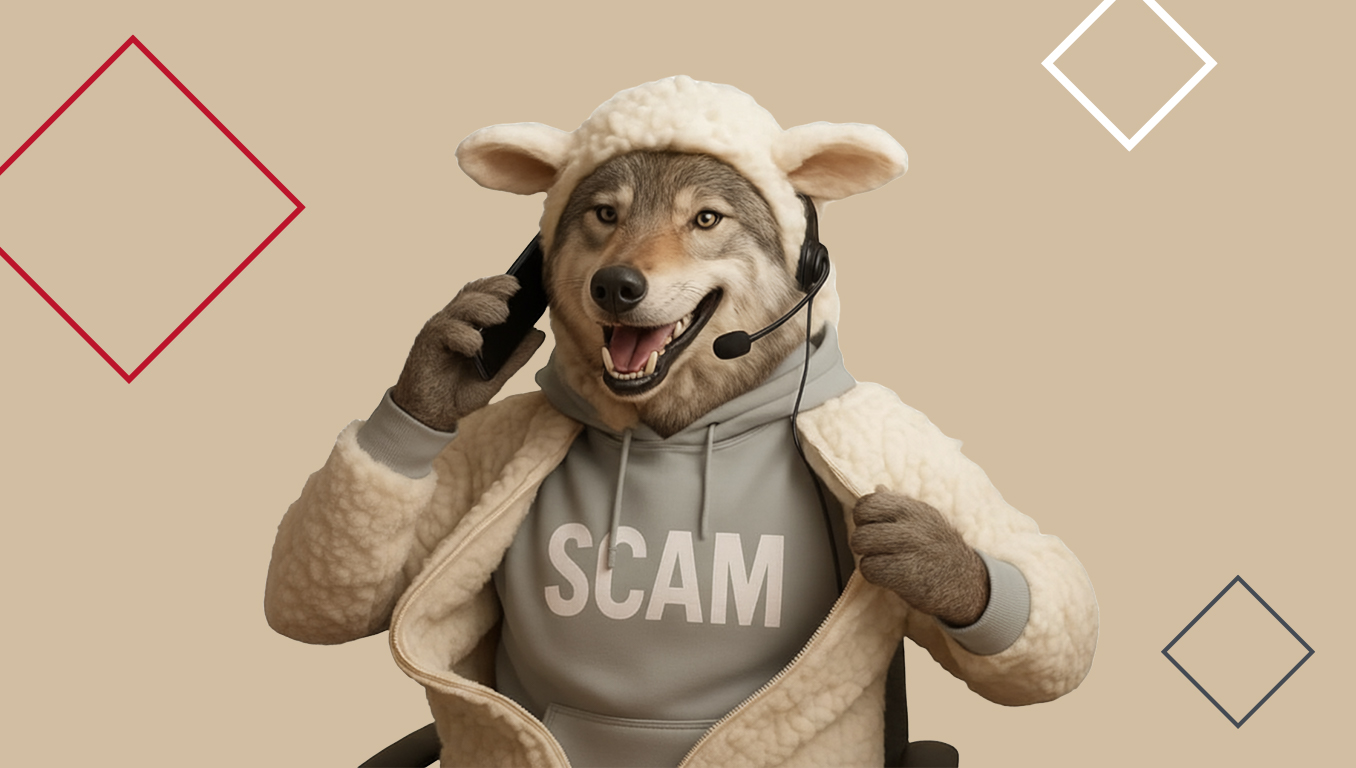
a wolf in sheep's clothing works at a scam

Want to test your knowledge about financial fraud and find a useful checklist that will help you protect your account from common scams? You’ve come to the right place.

Can you spot a scam?

Most people are confident that they can tell the difference between fact and fiction, but the truth is that it isn’t always easy to fend off fraud. Want to test your knowledge? Click through the scenario below and think about whether it’s a helpful notice from your bank or if it might be a scam. Read on to find out the answer!

Is this your bank… or is it fraud?

1) Your phone rings.

Caller ID shows the number as your local bank.

2) You pick up the phone.

The caller addresses you by name and seems to be familiar with your bank account number, address, and transaction history.

3) They warn you of possible fraud on your account.

The caller asks if you’re familiar with several recent transactions and reassures you that they’ll help you protect your account.

4) They ask you to confirm your identity.

Before the caller can help, they ask you to verify your identity by sharing the last 4 digits of your debit card or a one-time passcode.

So… what do you think?

Is the person on the phone a cunning fraudster or an honest banker?

How to fight fraud and find red flags

In the scenario above, the call is probably a scam. But the caller’s familiarity with your personal details may cause you to drop your guard long enough for them to retrieve your Secure Access Code (SAC) or a one-time code texted to your phone. They may use that code to change the password of your bank account, letting them in and locking you out, or to add your card to their digital wallet, which lets them use your card to make unauthorized purchases.
It’s important to know that First Bank will never ask you for information like a one-time passcode if we’re the ones reaching out to you. Here are some other common red flags to look out for…

Keep an eye out for these common tricks:

  • Unexpected calls or messages, even if they look official. If you get any kind of communication claiming to be from First Bank — or another trusted source — stop and think about whether it might be fraud before responding. Caller ID and emails are easily faked.
  • Pressure to act fast. Scammers often create a false sense of urgency to keep you from calmly thinking things through. They may claim that your account is at risk or that you owe money on a debt. Remember that legitimate businesses are unlikely to rush you.
  • Requests for sensitive information. While we may send you a one-time code to verify your identity after you call us, remember that a First Bank employee will never reach out to you and then ask for your one-time passcode, PIN, or password.
  • `

  • Being told not to contact your bank. Fraudsters may say that your local branch is under investigation for misconduct or that your usual banker isn’t available. Don’t be afraid to hang up and call a trusted number to confirm whether there’s really a problem.
  • Unusual payment methods. If you’re ever asked to pay with a gift card, wire money to a specific account, or use a payment app, stop and call your local bank. Cryptocurrency and large cash withdrawals are also common. Scammers prefer payments like these because they’re hard to trace, and it’s often impossible to recover stolen funds.

Learn more about financial fraud

If you suspect a scam, here’s what to do.

Need to make a quick decision in the heat of the moment? Remember these important fraud protection tips:
✅ Always double-check the details
✅ Stop and think through the situation
✅ Keep your private information secure
✅ Talk to someone you trust — like your local bank
✅ Only make payments through familiar platforms
✅ Don’t be afraid to trust your intuition
And remember — fraudsters don’t only go after regular folks. They target business accountholders, too. Keep an eye out for invoices from unfamiliar vendors, urgent payment requests, unusual payroll changes, and spoofed emails. Some business accounts, like First Bank’s Business Elite, offer built-in treasury tools and fraud protection.
Column image.

Have questions? Talk to our team.

Want to learn more about common fraud tactics? Think you or someone you know may have been targeted? We’re happy to help. You can always stop by your local First Bank branch or call our customer support team at +1 (866) 792-435.

You can also share examples of attempted fraud with your branch team or send them directly to fraud@localfirstbank.com so that our team can help protect others from becoming victims.

Ready to talk to an expert?

Share:

You may be interested in...

Image for tile. Fraud Protection Best Practices: When to use a Credit Card vs. a Debit Card Key Fraud-Related Differences Between Credit Cards and Debit Cards A credit card allows you to borrow money from a lender up to a set limit, with the expectation of paying it back later, often with interest if not paid in full. A debit card, on the other hand, directly withdraws funds from your bank account when you make a purchase, limiting spending to the amount in your account. Balancing credit and debit card use can enhance both security and financial stability. If someone steals your credit card information, they are effectively stealing the credit card issuer’s money, not directly accessing your bank account. This separation provides a crucial security buffer, giving you time to dispute charges without risking essential funds like rent or grocery money. In contrast, debit card fraud affects your checking account immediately, which can cause financial disruptions until the issue is resolved. First Bank Cardholders: Did you know that First Bank credit and debit cards offer Mastercard’s zero-liability protection? Whether you are using your First Bank credit or debit card, you’ll only pay for purchases that you have authorized on your Mastercard® card. Unauthorized purchases are not your responsibility. Instances Where a Credit Card can Offer Increased Fraud Protection Online Purchases Credit cards are generally safer for online transactions. They offer robust fraud protection, and most credit card companies monitor for suspicious activity, often reimbursing fraudulent charges quickly. Travel and International Transactions When traveling, especially abroad, use a credit card. Credit cards typically offer better fraud monitoring and reduced liability if your card information is compromised. Big-Ticket Purchases Use a credit card for expensive items like electronics or home appliances. Many credit cards come with purchase protection, extended warranties, and easier dispute resolution if something goes wrong. Recurring Payments or Subscriptions Credit cards provide better protection if you need to dispute unauthorized subscription charges, helping avoid interruptions to your service while the issue is resolved. Best Practices for Card Security Monitor Transactions: Regularly check both credit and debit accounts for unauthorized activity. Use Secure Websites: Look for “https://” in website URLs when shopping online. Enable Alerts: Sign up for transaction alerts for immediate fraud detection. Report Issues Promptly: The sooner you report suspicious activity, the better your chances of minimizing loss. Responsible Credit Card Use To maximize fraud protection while maintaining financial health, use credit cards responsibly by: Paying the Balance in Full: Avoid interest charges by clearing the balance each month. Staying Within Limits: Use only a portion of your credit limit to maintain a healthy credit score. Making Timely Payments: Pay on time to avoid late fees and credit score damage. 3 min read
Banks in North Carolina Did you know there are more than 100 First Bank locations in North Carolina? It’s true. You can find us in over 60 cities, mountains to coast. Did you know we’re one of the oldest banks in North Carolina? Yup, our roots date back to 1935 in the town of Troy, North Carolina. Did you know we’re a full-service bank? We sure are. We have checking and savings accounts for personal and business use, credit cards, loans of all types, business merchant services, insurance, mortgages, wealth management, and more. Of all the banks in North Carolina, we are confident you won’t find the personal level of customer service, complete selection of services, and convenient array of locations that you’ll find with First Bank. We take advantage of technology to bring our customers the added convenience of online, mobile, and digital banking services to enhance the First Bank experience.* We even connect with our customers through our Facebook, Twitter, Instagram and YouTube channels! Not Like the Other Banks in North Carolina You’re likely to find three types of banks in North Carolina. First, you’ll find the large national banks. They don’t have the capacity to get to personally know their customers and specifically cater services to those needs. The second are smaller local banks that aren’t equipped with the selection of services that bigger banks can offer. The third type of bank in North Carolina is First Bank, which offers the best of both worlds. We are small enough to provide the friendly customer service and personal care of a local bank and big enough to provide all the services and products of the bigger banks. So get to know First Bank, and we’ll be pleased to get to know you right back. 2 min read
First Bank logo
Privacy Overview

This website uses cookies so that we can provide you with the best user experience possible. Cookie information is stored in your browser and performs functions such as recognizing you when you return to our website and helping our team to understand which sections of the website are the most popular and useful.