_FB_2018-Icons-finalized-cleaned-up_new_FB_2018-Icons-finalized-cleaned-up_newGroup 9
Back
Scroll to top

Business Trend Highlight: Experiential Shopping
Running A Business 2 min read
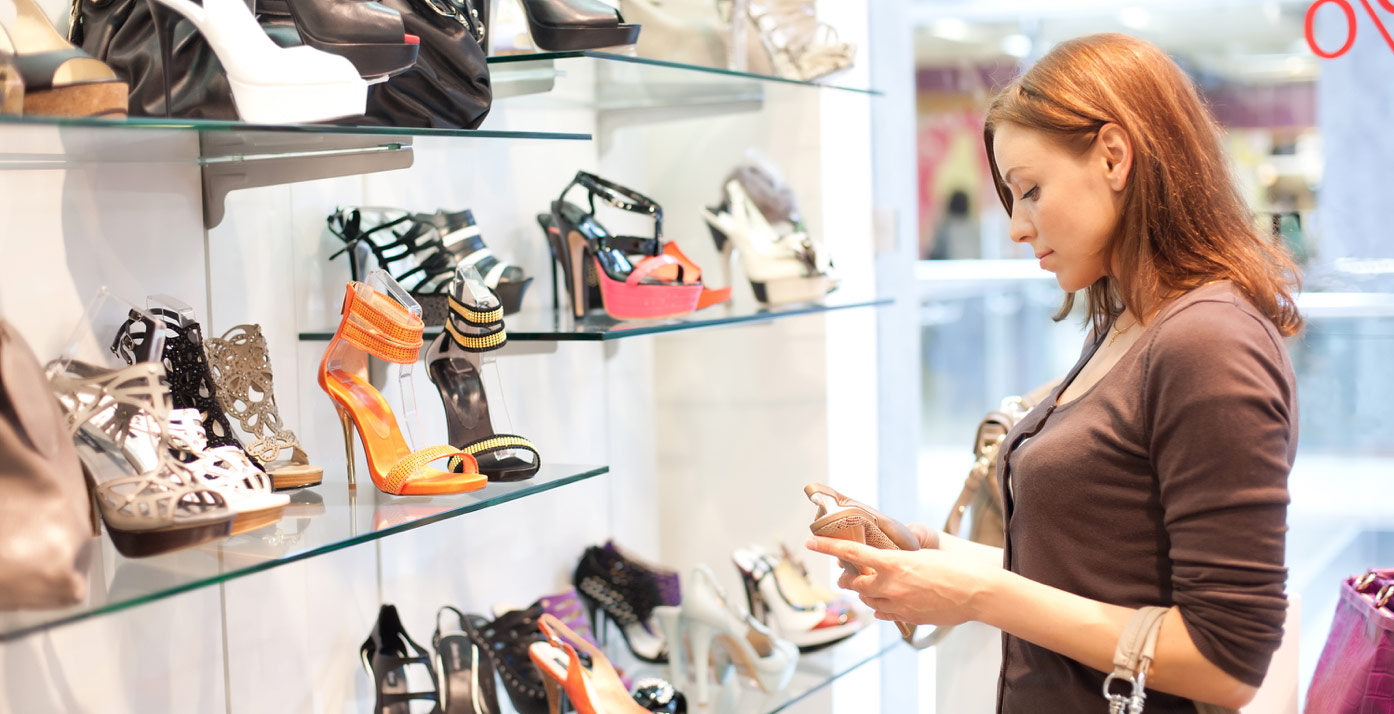
Woman looking a shoe in shoe store

Ready to talk to an expert?

Modern digital innovations can bridge the gap between the off- and online world, and in the best case, ensure a splendid customer experience that is personally tailored, interactive, and deeply ingrained in a daily activity.

Take shopping and the rise of experiential retail. From storefront and window displays projected in 3D to virtual mirrors that let the shoppers play around with makeup without actually applying it to their faces, technological innovations have been popping up in stores around the country.

Rising Spend to Meet the New Trend

Incorporating technology into retail has made it a breeze for businesses to draw in and retain customers. The more memorable and exciting the experience is, the greater the possibility that the customers won’t be able to resist a second trip to the store.

According to Accenture, in an attempt to attract the millennial generation—with an estimated spend that is predicted to increase to $1.4 trillion by 2020—retailers are leveraging these unique interactions, rather than products, for profits.

A great example can be found in Apple’s open-concept showrooms, where anyone who walks in can touch, pick up, and use the merchandise in an informative and friendly environment. But experiential formats like this are now fast becoming commonplace as stores like Target and Macy’s are building navigation mobile apps and testing alternative merchandise displays for shoppers to use in-store to alert them of sales and find inventory.

Those outside of traditional retail are exploring experiential shopping options too. In England, Fuller’s Brewery came up with the #EmptyPint campaign, a catchy social media campaign that required Twitter users to follow the London Pride page and then post a picture of their empty glass with the hashtag #EmptyPint. The users who did so were awarded a refill of London Pride for free.

How Small Businesses Can Participate

The Fuller’s campaign is a reflection of a grassroots movement in experiential marketing aimed towards using channels such as community networks and social media to reach customers. And it’s one that small and medium-sized businesses can absolutely jump on.

Simply offering customers a cup of coffee with cookies while they shop in store, playing soothing music to help them unwind, having costumed characters ushering patrons in, changing the look of displays to reflect the ongoing season or celebration, or posting contests can greatly help you create a user experience that is hard to forget.

Ready to talk to an expert?

Share:
First Bank’s Good To Know Logo
Sign up for our newsletter and be the first to know about new tips, insights, and products from First Bank.
First Bank may use this email address to contact you about products, services, and promotions.

You may be interested in...

a wolf in sheep's clothing works at a scam Can You Spot a Scam? Can you spot a scam? Most people are confident that they can tell the difference between fact and fiction, but the truth is that it isn’t always easy to fend off fraud. Want to test your knowledge? Click through the scenario below and think about whether it’s a helpful notice from your bank or if it might be a scam. Read on to find out the answer! Is this your bank... or is it fraud? 1) Your phone rings. Caller ID shows the number as your local bank. 2) You pick up the phone. The caller addresses you by name and seems to be familiar with your bank account number, address, and transaction history. 3) They warn you of possible fraud on your account. The caller asks if you're familiar with several recent transactions and reassures you that they'll help you protect your account. 4) They ask you to confirm your identity. Before the caller can help, they ask you to verify your identity by sharing the last 4 digits of your debit card or a one-time passcode. So... what do you think? Is the person on the phone a cunning fraudster or an honest banker? How to fight fraud and find red flags In the scenario above, the call is probably a scam. But the caller’s familiarity with your personal details may cause you to drop your guard long enough for them to retrieve your Secure Access Code (SAC) or a one-time code texted to your phone. They may use that code to change the password of your bank account, letting them in and locking you out, or to add your card to their digital wallet, which lets them use your card to make unauthorized purchases. It’s important to know that First Bank will never ask you for information like a one-time passcode if we’re the ones reaching out to you. Here are some other common red flags to look out for… Keep an eye out for these common tricks: Unexpected calls or messages, even if they look official. If you get any kind of communication claiming to be from First Bank — or another trusted source — stop and think about whether it might be fraud before responding. Caller ID and emails are easily faked. Pressure to act fast. Scammers often create a false sense of urgency to keep you from calmly thinking things through. They may claim that your account is at risk or that you owe money on a debt. Remember that legitimate businesses are unlikely to rush you. Requests for sensitive information. While we may send you a one-time code to verify your identity after you call us, remember that a First Bank employee will never reach out to you and then ask for your one-time passcode, PIN, or password. ` Being told not to contact your bank. Fraudsters may say that your local branch is under investigation for misconduct or that your usual banker isn’t available. Don’t be afraid to hang up and call a trusted number to confirm whether there’s really a problem. Unusual payment methods. If you’re ever asked to pay with a gift card, wire money to a specific account, or use a payment app, stop and call your local bank. Cryptocurrency and large cash withdrawals are also common. Scammers prefer payments like these because they’re hard to trace, and it’s often impossible to recover stolen funds. Learn more about financial fraud If you suspect a scam, here’s what to do. Need to make a quick decision in the heat of the moment? Remember these important fraud protection tips: ✅ Always double-check the details ✅ Stop and think through the situation ✅ Keep your private information secure ✅ Talk to someone you trust — like your local bank ✅ Only make payments through familiar platforms ✅ Don’t be afraid to trust your intuition And remember — fraudsters don’t only go after regular folks. They target business accountholders, too. Keep an eye out for invoices from unfamiliar vendors, urgent payment requests, unusual payroll changes, and spoofed emails. Some business accounts, like First Bank’s Business Elite, offer built-in treasury tools and fraud protection. 5 min read
First Bank logo
Privacy Overview

This website uses cookies so that we can provide you with the best user experience possible. Cookie information is stored in your browser and performs functions such as recognizing you when you return to our website and helping our team to understand which sections of the website are the most popular and useful.