Back
Scroll to top

Best Personal Loan Rates in North Carolina

Personal Finances 2 min read

Ready to talk to an expert?

If you live in North Carolina and are looking for a personal loan, your local First Bank can help. We have over 100 locations in North Carolina that offer highly competitive personal loan rates. We make choosing a personal loan easy with flexible terms and personalized service.

Personal Loans from First Bank

Just as personal loan rates can vary, so can the options associated with the loan. First Bank is proud to offer a variety of personal loan options with competitive rates, such as:

  • Personal line of credit
  • Home equity lines of credit (HELOC)
  • Personal credit card with rewards
  • Auto loan
  • Boat loans

Learn more about First Bank’s personal loan options.
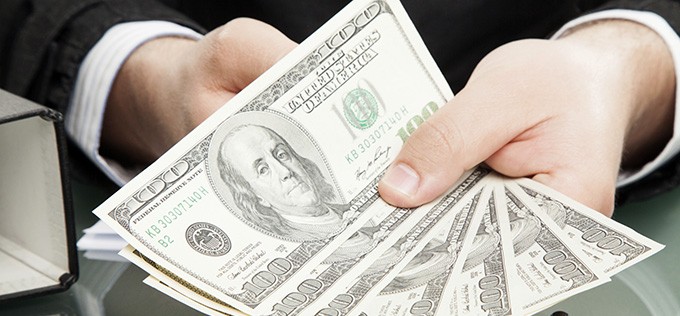
Personal Loan Rates in North Carolina

How are Personal Loan Rates Determined?

As you shop around for the best personal loan rates in North Carolina, you might begin to wonder why the rates can vary from one place to the next. So what gives?

As illustrated by Loan.com, there are four primary factors that affect personal loan rates. In North Carolina, there are scores of First Bank locations that offer personal loans so your options are plentiful. Here are three things that affect personal loan rates.

  1. Credit score. Simply put, the better your credit score, the better personal loan rate you are likely to get.
  2. Loan options. There are a number of different types of personal loans and each come with their own factors of interest rates.
  3. National prime rate. Set by the Federal Reserve to control the supply of money in the economy, this rate can have a direct affect on your personal loan rate.

The best way to find the most competitive personal loan rates with some of the most flexible loan options is to simply locate your nearest First Bank and speak to one of our friendly loan representatives.


Loans subject to credit approval.

Ready to talk to an expert?

Share:

You may be interested in...

Mature woman at home looking at the bills and taxes and trying to calculate and pay them. Ways to protect yourself against check fraud Check fraud is on the rise. Here’s what you can do. These days fraud is everywhere, and fraudster methods are always evolving. A growing number of methods are targeting your checkbook. Did you know that checks are now one of the least secure forms of payment? Criminals are combining old-school methods of theft with readily available technology to steal checks, impersonate account holders, and sell to the black market. Arm yourself with the knowledge to protect your identity and checking account. How is check fraud committed? Lifting ink: Lifting ink from a check, or “check washing”, can be done using chemicals as readily available as nail polish remover. Criminals can remove your intended payee’s information and replace it with theirs while also increasing the dollar amount. They then deposit the fraudulent check into their account. Targeting mailboxes: Once mail is stolen from a residential mailbox or a USPS blue box, criminals sift in search of checks that can be washed and forged. The frequency of mail theft is directly correlated to the spike in check fraud. Selling check images on the dark web: There is a growing network of darknets and encrypted communication platforms that criminals use to sell check images. Criminals can use the personal information from your check and your banking information to commit identity theft scams.   Consider these check-writing alternatives and services. If you can, try to avoid placing checks in the mail. First Bank offers a number of alternative options for mailing checks like BillPay, Zelle, External Transfer services, and more. Bill Pay: This free service lets you avoid the hassle of writing checks or visiting multiple websites to stay on top of your payments. See how convenient it is to manage your payments from one place. External Transfers: For those who support their kids in college or if you’re constantly writing checks between your First Bank account and one at another bank, First Bank’s External Transfer option makes it quick and easy to securely transfer funds. If you own both accounts, learn how to set up a transfer here. Zelle®1 : In your First Bank mobile app, you have access to Zelle®, a fast, safe, and easy method to send money directly from your bank 4 min read
First Time Buyer? For most of us, buying a home is the largest purchase we’ll ever make. If you are a first-time homebuyer, you may be asking questions like, “What is a first home mortgage?” What is a First Home Mortgage? A first home mortgage is a loan you will use to purchase your first home. These loans can come in a variety of forms, from conventional home loans to FHA loans for first-time homebuyers. First Bank offers the following mortgage loans* for first-time homebuyers: Conventional Loans Government loans Professional loans Construction loans Jumbo loans In addition to providing a selection of mortgage opportunities, First Bank also offers a wealth of information about what a first home mortgage is and what can be expected when shopping for your first home. Tips for Buying Your First Home Knowing what a first home mortgage is can go a long way toward easing the process of turning that key for the very first time. U.S. News and World Report highlighted some of the most common mistakes first-time home buyers make and how you can avoid them. Among them were: Searching for your dream home before being pre-qualified for a loan. The reality of what a first home mortgage is can be vastly different than what you were hoping for. Take the time to seek out a mortgage loan specialist at a place like First Bank so you can find out what you can afford and what your expected monthly expenses will be. Thinking short-term. First-time buyers are often so focused on moving in that they don’t ever consider moving out. Chances are, you’ll one day be ready to move into another home as you start a family or change jobs. Think about the factors that will affect how you’ll be able to sell your home in five years such as economic growth in the area or neighborhood expansion. Making an emotional decision. It’s important to sign a mortgage paper with your head and not with your heart. You may be overlooking some serious red flags such as expensive repairs, structural damage, or mold simply because you’re in love with the open layout. Find a First Bank Near You Ready to get started? Check out First Bank’s guide 3 min read
Image for tile. Learn How Much You Should Be Saving Each Year Wondering how much you should be saving each year? Many specialists believe in the 50/20/30 budget: 50% is spent on necessary expenses (e.g. credit card bills, rent), 20% of your income is put into savings, and 30% is left for your luxury expenses (e.g. a new TV, restaurants). By following this rule, you can comfortably begin saving for retirement or an emergency fund while having enough to make ends meet. How Much Should I Be Saving? While there’s no one-size-fits-all answer to how much you should have saved, there are some goals you should focus on during your 20s, 30s, 40s and beyond. Here’s a recommended savings road map to guide you at any age: 20s: Focus on building your credit, paying off loans and save something each month. Even if you’re not able to save quite up to 20% of your income, try starting at 10%. 30s: Allocate more money into savings, especially if you’re thinking about starting a family, buying a new home, or taking on a few home repairs soon. You should be putting at least 15% of your income into savings, if not more. Additionally, you should continue to pay off all non-mortgage debt. 40s: Get your credit card debt under control and up the amount you’re putting away into savings again. By this time, you should aim to have more than your current salary put away in savings. 50s: Max out your retirement contributions and pay off your mortgage. You should aim to have as much of your income and investments working towards your retirement goals as possible. Ideally, you have more than two times your current salary set aside in savings. Start Saving for Your Future Today Changing the way you spend can feel overwhelming at first and requires discipline. However, in time, you’ll get used to what is necessary and how much of your luxury expenses can be cut or limited. Take charge of your finances and invest in your future. For more questions about how much you should be saving each year, or how to get started, contact your local First Bank branch today!  ——— Sources: Experian: https://www.experian.com/blogs/ask-experian/how-much-should-you-save-each-month/ Huffington Post: http://www.huffingtonpost.com/simple-thrifty-living/in-your-20s-40s-60s-the-b_b_5686551.html Money Under 30: http://www.moneyunder30.com/how-much-do-you-need-to-have-saved-for-retirement 2 min read
Phone with First Bank mobile app on table with coffee Is Mobile Banking Safe? Americans love their smart phones. The reasons for their adoration are seemingly endless. They Facebook. They text. They Google. They listen to music and watch movies. They take photos and video. They GPS their way to new destinations. And increasingly, they bank. First Bank has offered customers a mobile banking app since 2008, and in the recent years added increasingly popular features such as mobile check deposit, a P2P services, and financial management and budgeting tools. Unlike larger regional and national banks, who are constantly adding “shiny” new app features in an effort to draw new customers, smaller community banks like First Bank wait until the technology is more proven. It doesn’t take much longer, but our goal is to maintain a top level of security and a good customer experience. Consumers who are new to mobile banking might not realize that banking through an app is more secure than through a web browser, says Cary Whaley, vice president of payments and technology policy at the Washington-based Independent Community Bankers of America. The vast majority of fraud involves credit/debit cards and checks, rather than from mobile apps, Whaley said. With a mobile app, the bank knows with whom it’s dealing. The app typically cannot be accessed without a password or challenge question, and now, with biometrics such as a fingerprint and FaceID. “That’s pretty powerful security,” Whaley said. “We would call that 2-factor authentication.” Ready to get started with mobile banking? Download the app today. 2 min read
First Bank logo
Privacy Overview

This website uses cookies so that we can provide you with the best user experience possible. Cookie information is stored in your browser and performs functions such as recognizing you when you return to our website and helping our team to understand which sections of the website are the most popular and useful.