Back
Scroll to top

Then and now: 90 years of homeownership
Homebuying 3 min read
Understanding how far homeownership has come over the past century can help homebuyers today feel more confident about what comes next.

Ready to talk to an expert?

Find A Location Get In Touch

The average home is different than it used to be

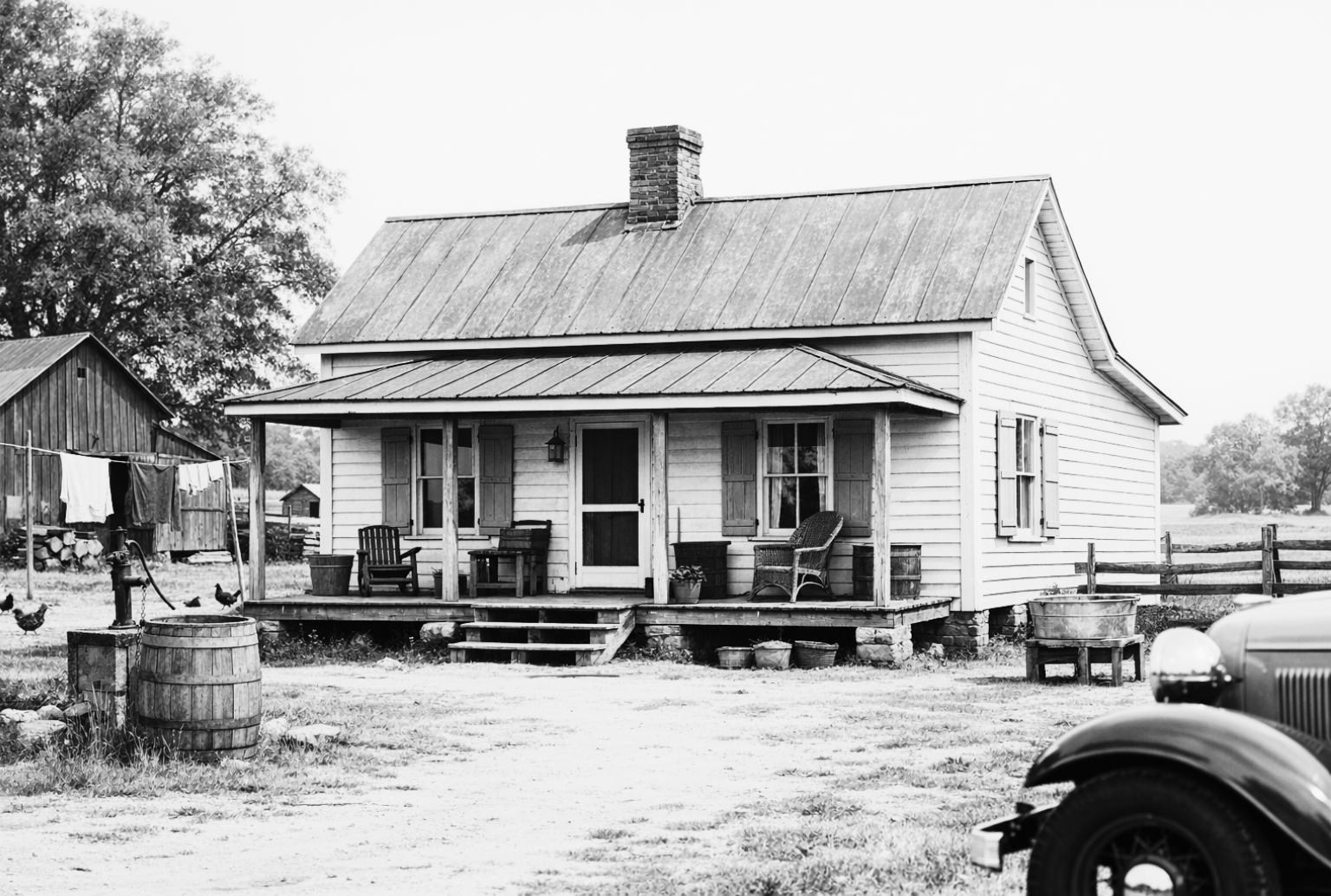
If you stepped into a Carolina home in the mid‑1930s, it would be hard not to notice a few important differences. Windows were often opened for cooling. Coal or wood fireplaces did the heavy lifting in winter. Thermostats weren’t yet commonplace.

Today’s buyers and homeowners can still feel the effects. Fast‑forward 90 years, and homeownership looks very different. From size and amenities to financing, understanding the history of how we got here can help you make smarter mortgage or refinancing decisions.

How bigger homes changed what buyers need from a mortgage

In the 1930s, the average new single‑family home measured under 1,100 square feet. At the same time, households were larger — often with several generations or extended family living under the same roof. Today, the average new home has more than doubled in size, while households are smaller.

Extra space adds flexibility: home offices, guest rooms, space to grow. But it also means higher purchase prices and, for many buyers, larger loans.

Why today’s mortgages are built for real life

In 1935, the average U.S. home cost around $3,900. Mortgage terms were short, often requiring large down payments and ending with a “balloon payment,” or a large lump sum due at the end of a loan. Homeownership was less attainable, and refinancing options were limited.

Today’s mortgages are designed to be more manageable and predictable. Long‑term, fixed‑rate loans offer borrowers stability, while refinancing gives homeowners the flexibility to make adjustments when life inevitably changes.

Modern mortgages often allow homeowners to:

  • Lower their monthly payments during a busy or transitional season
  • Pay off a home sooner by making payments directly towards the principal
  • Leverage equity to reinvest in their home through renovations and other projects

Handshakes, paperwork, and people

If you had strong local ties and significant savings, there was a time when a mortgage might have been approved with a handshake and a short stack of paperwork. Today’s process involves much more documentation — but it’s also more transparent and regulated, offering clearer protections for borrowers.

At First Bank, we believe that every financial journey should begin with a conversation, not an application. We strive to maintain the trust of the past while making the most of the tools of today. That’s why we combine modern lending options with local guidance from people who are invested in the future of the Carolinas.

Homes may be bigger and mortgages more complex, but the goal hasn’t changed: stability, comfort, and a place to call your own.

Where’s your next move?

If you’re not sure whether you’re ready to take the next step in buying a home, take a look at this helpful article. It breaks down a few key factors in deciding whether homeownership is right for you.

But sometimes, the most helpful next step is simply a conversation. Our local mortgage team is here to answer questions, walk through your options, and help you understand what makes sense for your goals. It never hurts to get straightforward guidance from folks you can trust.

Ready to talk to an expert?

Share:

You may be interested in...

Image for tile. Am I Eligible for FEMA Relief? Here’s What You Need to Know Who Qualifies for Assistance? Federal disaster aid is available for residents and business owners in the following counties: Alexander, Alleghany, Ashe, Avery, Buncombe, Burke, Caldwell, Catawba, Clay, Cleveland, Gaston, Haywood, Henderson, Jackson, Lincoln, Macon, Madison, McDowell, Mitchell, Polk, Rutherford, Transylvania, Watauga, Wilkes, and Yancey. Not sure if you’re eligible? You can verify your eligibility and apply directly on FEMA’s website: DisasterAssistance.gov. What Assistance Does FEMA Offer? FEMA provides a range of relief programs aimed at helping individuals and businesses recover from disasters. Here’s a closer look at what you may be eligible to receive: 1. Housing Assistance This aid helps you secure safe shelter while your home is being repaired or rebuilt. FEMA can provide funds for: Rental Assistance: Financial support to rent a temporary residence if your home is uninhabitable due to disaster-related damage. Lodging Expense Reimbursement: If you had to stay in a hotel or motel, FEMA can reimburse you for these expenses. This is especially helpful if you were unable to find immediate rental options. Home Repair or Replacement: Grants are available to help repair or replace your home and address disaster-specific damages, such as water damage or mold. FEMA may also cover hazard mitigation measures that reduce the risk of future damage. Accessibility Needs: If you or someone in your household has a disability, FEMA can provide funds to make your home accessible. This might include ramps, grab bars, and other necessary modifications, even if these were not originally present before the disaster. Privately-Owned Roads, Bridges, and Docks: If the only access to your home has been damaged, FEMA can help cover repair costs for private infrastructure like roads and bridges. 2. Other Needs Assistance This program helps with essential expenses and serious needs beyond housing. Covered expenses include: Serious Needs: Grants to cover immediate necessities like food, water, first aid, prescriptions, and personal hygiene items, ensuring you have access to essentials during recovery. Displacement: If your home is uninhabitable, FEMA can help cover the cost of staying with family, friends, or in a hotel while you search for a more permanent solution. Personal Property: Financial assistance to repair or replace items essential to daily life, such as appliances, furniture, and work or school-related items like computers and tools. This can also include uniforms, books, and equipment needed for self-employment. Medical and Dental Expenses: If the disaster caused injury or damaged medical or dental equipment, FEMA can help cover the costs for treatment, equipment replacement, and prescribed medications. Funeral Costs: In the unfortunate event that the disaster resulted in a loss of life, FEMA offers support to cover funeral or reburial expenses. Child Care: For families facing increased child care costs due to the disaster, FEMA can provide funds to help cover these additional expenses. Assistance for Miscellaneous Items: Reimbursement for items like generators, dehumidifiers, and chainsaws that were purchased or rented to aid in the recovery process. Transportation: If your vehicle was damaged and you don’t have an alternative mode of transportation, FEMA may help cover the repair or replacement costs to ensure you have a way to get to work, school, or other essential places. Moving and Storage Expenses: FEMA can help with costs associated with moving and storing personal property, especially if it needs to be relocated temporarily during home repairs or if you need to move to a new residence. Each of these programs is designed to provide immediate and practical support, so you can focus on the well-being of your family and community as you rebuild after the disaster. How Do I Apply for FEMA Assistance? Applying for FEMA relief is straightforward. Here are the steps to get started: Apply Online: Visit DisasterAssistance.gov to apply for assistance. You can also download the FEMA App or call FEMA’s toll-free number at 1-800-621-3362. Register for an Account: If you’re applying online, you’ll need to create an account on Login.gov. This will allow you to save your application, upload documents, and check your status. Prepare Your Information: You’ll need details like your home and mailing address, Social Security number, insurance info, and bank details for direct deposit. Submit Your Application: Once you’ve completed the application, review it, make any necessary changes, and submit it. Be sure to save your application ID as you’ll need it for future communication with FEMA. What Happens After You Apply? After applying, FEMA will review your application and may contact you for additional information or to schedule an inspection. You can always log into your account on DisasterAssistance.gov to check your application status and receive updates. If approved, FEMA will disburse funds via direct deposit or a mailed check, based on your preference. For more information or to begin the application process, visit DisasterAssistance.gov, call FEMA at 1-800-621-3362, or use the FEMA App. Recovering from Disaster with FEMA’s Support If you’re affected by Hurricane Helene, you don’t have to face it alone. FEMA offers a range of programs designed to help you get back on your feet. Take advantage of these resources to help ease the journey to recovery. 5 min read
First Bank logo
Privacy Overview

This website uses cookies so that we can provide you with the best user experience possible. Cookie information is stored in your browser and performs functions such as recognizing you when you return to our website and helping our team to understand which sections of the website are the most popular and useful.