Back
Scroll to top

How eStatements help protect you from fraud
Personal Finances 3 min read
eStatements reduce fraud risk by keeping sensitive financial information out of the mail. Learn how switching can help protect your accounts.

Ready to talk to an expert?

Find A Location Get In Touch

Are you leaving an unwanted paper trail?

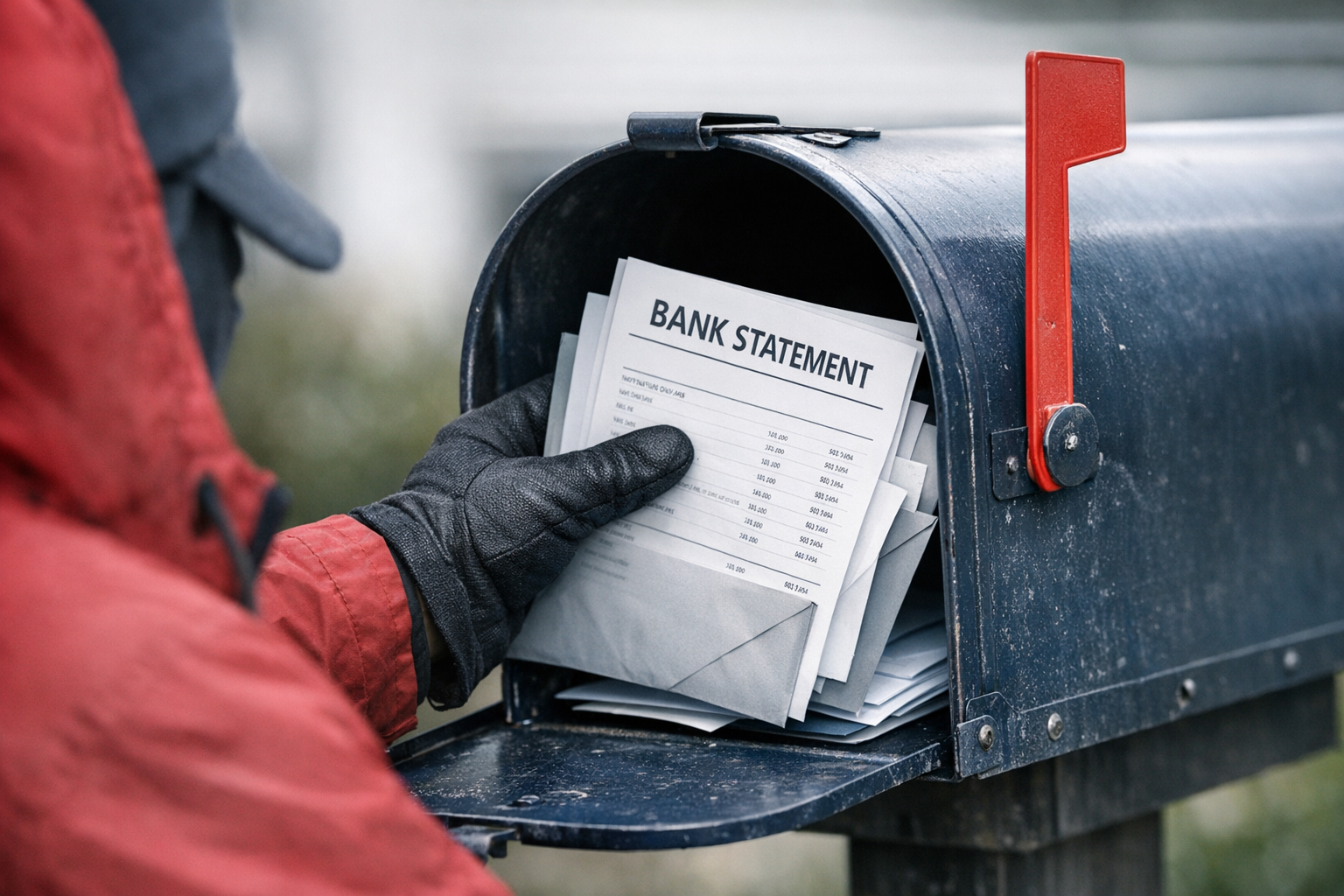
Fraud can come from unexpected places — it can even start right in your mailbox.

When paper bank statements travel through the mail, they’re vulnerable to prying eyes. And with mail theft on the rise, financial documents are a common target for identity thieves.

Choosing eStatements is a simple way to reduce that risk. Not only do they help you protect sensitive information, but they also make it more convenient to see your account activity.

The hidden risks of paper statements

Even after delivery, paper statements can pose a risk. Statements left in a box, misplaced at home, or tossed without shredding can be retrieved and misused.

A typical bank statement includes your name, address, partial account number, and a detailed record of your transactions. That information is essential for managing your money, but it can also be used by a bad actor to impersonate you or misuse your account.

That’s why we encourage all our customers to opt in to eStatements. Your statements are stored securely online rather than traveling through the mail or sitting around the house.

Why eStatements are a safer option

eStatements help remove many of the risks and inconveniences that come with paper mail:

  • No paper mail. eStatements never pass through the postal system, so there’s no chance of them being misplaced, intercepted, or pulled out of the trash.
  • Secure access. First Bank uses encryption and authentication measures to protect our online banking platform, adding layers of security that paper simply can’t provide.
  • Faster visibility. eStatements are typically available sooner than mailed statements, giving you the chance to review activity quickly and spot anything that doesn’t look right.

As a best practice, the FDIC encourages consumers to regularly monitor their accounts and take advantage of digital banking tools. eStatements make both habits easier.

A small change that makes a meaningful difference

Switching to eStatements isn’t a guarantee of fraud prevention, but it will lower your risk. With a strong password, account alerts, and a little vigilance, you can stay one step ahead.

It only takes a few clicks to get started. Go to our online banking platform and select eStatements from the menu to opt in. Or if you’d rather talk it through, our Customer Support team is always happy to help.

Remember: While eStatements help reduce certain risks, customers should continue to monitor their accounts regularly and report any suspicious activity right away.

Ready to talk to an expert?

Share:

You may be interested in...

Image for tile. How to Spot Fraud: Four Signs That it’s a Scam 1. Scammers Pretend to Be From an Organization You Know One of the most common tactics scammers use is posing as a trusted organization, such as a government agency, utility provider, or even your bank. They might claim to be from the IRS, Social Security Administration, or a local business you’re familiar with. Using technology to spoof phone numbers, they can make it look like the call is coming from a legitimate source. What You Can Do: Always verify the source independently. Look up the organization’s official contact number and call them directly. Be wary of unsolicited communications, especially if they request sensitive information. Don’t trust caller ID alone; it can be easily manipulated. First Bank Customers:  NEVER share your secure access codes. If you receive a suspicious call, email, or text from someone claiming to be a First Bank representative asking for a code that was sent to your phone or email, STOP all communication. First Bank will NEVER ask for that information. Please STOP all communication with that person and call First Bank customer support at 1-866-792-4357. 2. Scammers Say There’s a Problem or a Prize Scammers often appeal to fear or excitement. They might claim you owe money to the government, that there’s an issue with one of your accounts, or that you’ve won a prize. The catch? You’ll need to provide personal information or pay a fee to resolve the issue or claim your reward. What You Can Do: Pause and think. Legitimate organizations don’t ask for immediate payments or sensitive information over the phone or via email. Be cautious of high-pressure tactics; they’re designed to make you act without thinking. If it seems too good to be true, it probably is. 3. Scammers Pressure You to Act Immediately A sense of urgency is a hallmark of scam attempts. Fraudsters don’t want to give you time to think, verify their claims, or consult someone else. They might threaten legal action, suspension of accounts, or worse to coerce you into acting quickly. What You Can Do: Take your time. Legitimate organizations will not rush you or threaten you into making hasty decisions. Hang up if a caller refuses to let you disconnect or tries to intimidate you. Reach out to a trusted advisor or your bank for guidance if you’re unsure. 4. Scammers Tell You to Pay in a Specific Way Another red flag is when scammers demand payment via unconventional methods like cryptocurrency, payment apps, wire transfers, or gift cards. They might also send a fake check and ask you to deposit it before transferring money back to them. What You Can Do: Be suspicious of requests for payment via gift cards or cryptocurrency; these methods are often untraceable. Never send money or provide financial information based on a request from an unsolicited call, email, or message. If you receive a check, wait for your bank to verify its authenticity before using the funds. Final Tips for Staying Safe Educate Yourself and Others: Share these tips with family and friends to help them avoid scams. Trust Your Instincts: If something feels off, it probably is. Always err on the side of caution. Report Suspicious Activity: If you suspect fraud, contact your bank immediately and report the incident to local authorities or organizations like the FTC. By staying vigilant and informed, you can protect yourself from scammers and safeguard your financial well-being. Remember: Your bank is here to help. If you ever have questions or concerns, don’t hesitate to reach out. First Bank is Here to Help If you feel that you have fallen victim to a scam, what should you do next? At First Bank, we recommend calling us immediately. You may reach us at 1‑866‑792‑4357 between the hours of 7:00 a.m. to 8:00 p.m. Monday through Friday or 9:00 a.m. to 4:00 p.m. on Saturday. Or you may submit an e‑mail message to fraud@localfirstbank.com. Our associates are trained in fraud response and will advise you on your next steps. Stop by your nearest First Bank branch to talk through any questions or concerns you might have about your account security or how our different banking policies work to keep you safe. If you can’t make it to one of our branches, call our customer support center at 1-866-792-4357. 4 min read
Habitat Group Photo Q&A: What Should I Consider When Selecting a Bank? When looking for the perfect bank, ask yourself, “Does this bank complement my lifestyle and financial goals?” At First Bank, we believe it should. You may also want to consider the following 4 criteria: Community Involvement Longevity & Stability Personalized Customer Service Breadth of Financial Service   1. Community Involvement When comparing your banking options, consider how your prospective bank is involved in your community. If local economic growth is important to you, prioritize a community-focused bank that is committed to reinvesting in local economic development. An actively involved bank can provide your neighbors with increased access to small business loans, mortgages, charitable donations, and overall financial wellness. For example, First Bank has invested over $1.2 billion in community development loans to revitalize low- and moderate-income areas. Additionally, in 2022, we donated $500,000 to support education-focused initiatives across the Carolinas. As First Bank grows, so do the communities we serve. 2. Longevity & Stability Do your research – find a bank with a track record of success and the ability to remain steadfast during uncertain economic times. Consider how long the bank has been established and how they plan for growth into the future. First Bank began in 1935 during the height of the Great Depression in order to safeguard the hard-earned funds of local farmers, community members, and business people. Throughout our organization’s 87-year history, we have seen recessions, depressions, and many banks come and go. While we stay current with modern banking trends, we will continue to operate our company with an intense focus on safety and soundness, so our customers, clients, partners, investors, and associates know that we will provide safe and stable long-term success. 3. Personalized Customer Service It’s important to think about what your perfect banking relationship would look like. Do you value a tailored in-person experience or do you prefer online banking services with less one-on-one interaction? Regional banks, like First Bank, have the ability to offer the best of both worlds. The personal relationships that we develop within our communities help us advocate for our customers’ best interests. We can offer competitive rates and recommend the best financial tools to the right businesses, municipalities, and families at the right time. When you’re traveling 3 min read
First Bank logo
Privacy Overview

This website uses cookies so that we can provide you with the best user experience possible. Cookie information is stored in your browser and performs functions such as recognizing you when you return to our website and helping our team to understand which sections of the website are the most popular and useful.