How to know if you’re ready to buy a home
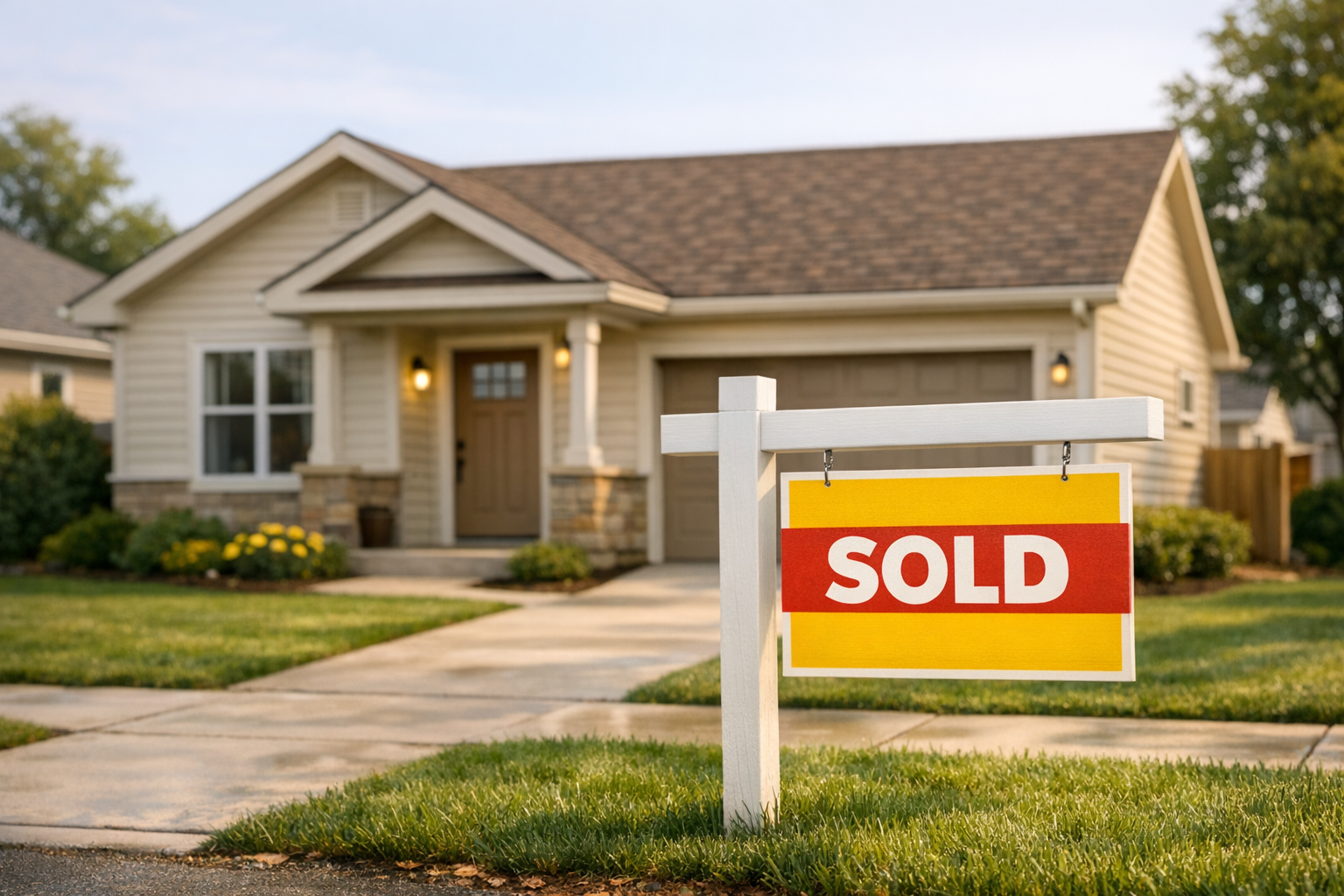
Your guide to homeownership in an uncertain market
National Homeownership Month is a good time to slow down and think about what homeownership really means.
Owning a home has always been about more than prices and interest rates. It’s about stability, pride, and putting down roots.
If you’re a first-time homebuyer, you’re probably wondering whether it’s the “right time to buy” or if you might be better off waiting. But it’s important to remember that no one can predict the market — the better question is whether buying a home fits your life right now.
How to know if you’re ready to buy
Buying a home isn’t a short‑term investment. It’s a huge financial commitment and a long‑term life decision. And at the end of the day, the choice you’re making isn’t about variables like interest rates, home prices, and market conditions — it’s about what you really want.
4 signs you’re ready for homeownership
1) Life may not be easy, but it’s stable
It’s easier to get a mortgage and manage the process of buying a home if your life isn’t in constant motion. You don’t need to have everything figured out, but a steady job and a long-term plan to stay in your target area will make everything easier.
2) Your mortgage payment is manageable
A healthy budget leaves room for real life. That means adding to savings, covering household maintenance, and being ready for the occasional surprise. Even if you’re approved for a certain amount, you should think carefully about what payment amount feels comfortable long-term.
3) You plan on staying for a while
Homeownership rewards patience. Early payments go mostly towards interest, not principal — which means that building equity takes time. If you expect to stay put for at least a few years, you’ll benefit more from the long‑term value that homeownership provides.
4) You’re ready for the responsibility
Owning a home gives you a sense of pride and permanence, but it also means ongoing maintenance costs and constant projects. If you prefer a more flexible lifestyle (or not having to worry if your water heater goes out), renting may be better for you — and that’s okay.
National data is important, but your local market matters
National headlines don’t always reflect the reality of what’s happening on your street.
North and South Carolina are two of the fastest-growing states in the country. People are drawn here from all over the world as they seek new job opportunities, a great quality of life, and a strong sense of community.
Growth means opportunity. It also means that some markets have seen explosive price growth, while others remain comparatively affordable. Different cities and counties also have their own property tax rates and insurance requirements, which can affect the math behind your monthly payment just as much as listing prices and interest rates.
Because the true cost of homeownership can vary widely from one neighborhood to the next, it’s important to have a local perspective. The first step to finding your dream home is knowing where to look.
There’s never a perfect time to buy
If you wait for the stars to align, you may end up waiting forever. Making the right decision starts with understanding your own goals and finances, not from predicting market conditions.
Sometimes, the most helpful next step isn’t an application. It’s a conversation with someone who understands the Carolinas and takes the time to understand you.
At First Bank, we put people first — because great communities start with good neighbors.


