Back
Scroll to top

Monitor ACH Activity and Manage Follow-Up

Running A Business 5 min read

Expert insights by: Jenna Williams (SVP, Director of Treasury Services)

Overview

To help business owners manage their ACH responsibilities, we’ve organized ACH best practices into four clear stages. Together, these stages provide a practical framework for reducing risk, maintaining compliance, and strengthening ACH processes over time.

Stage 3:
Monitor ACH Activity and Manage Follow-Up

After an ACH transaction is initiated, monitoring confirms whether it completed as expected. Staying engaged at this stage allows you to identify issues early, correct problems promptly, and keep ACH activity running smoothly over time.

Review ACH Activity Regularly

Review ACH activity on a consistent schedule.

Check for completed transactions, returned transactions, Notices of Change (NOCs), and notifications. You can also set up transaction alerts and regularly review your Activity Center to stay informed about ACH activity that may require attention.

Consistent monitoring helps you identify issues early and take corrective action before they become recurring problems.

First Bank Guided Tutorial:

Reviewing ACH Notices & Returns

This guided tutorial shows how to manage ACH notices and returns in your First Bank online banking dashboard.

Identify and Address Returns

Returns should be reviewed and addressed immediately.

Review the return code, determine the cause, and take the appropriate corrective action before initiating another transaction. Repeated returns for the same issue can create operational risk, increase rework, and may indicate weaknesses in existing processes.

Use your online banking system to review return details and determine what action to take next. The ACH Notices & Returns tutorial shows where to locate this information.

Example:

An ACH transaction is returned because funds were not available at the time of processing. The return appears in the ACH Notices & Returns screen. The issue is reviewed, the customer is contacted, and the next transaction is scheduled after the account is funded.

Review and Act on Notices of Change (NOCs)

A Notice of Change (NOC) informs you that account information associated with a transaction has changed and should be updated.

Guided tutorial

NOCs require action. Review the notice promptly, update your records as instructed, and apply the correction before submitting future transactions. Ignoring NOCs can lead to repeated exceptions, unnecessary returns, and compliance concerns.

Example:

An NOC indicates that a routing number has changed. The updated information is verified, internal records are corrected, and future transactions use the revised routing number.

Resolve Issues and Document Outcomes

Resolve transaction issues and document outcomes. Record the cause of the issue, the action taken, and the final resolution. Keeping this information organized allows your team to respond faster when similar situations arise.

Example:

A return shows that account information is no longer valid. The issue is documented, updated account information is requested, and account update steps are reviewed before the next transaction is initiated.

Maintain Records for Compliance

Maintain authorization and transaction records. Keep records organized and accessible to support reviews, audits, and internal controls. Authorization records should be retained for at least two years.

Document how returns and NOCs were resolved and when record updates were made. Maintaining complete records supports compliance and demonstrates that required corrections were addressed.

Example:

A recipient questions a prior transaction months later. Because the authorization record and related transaction history are retained and easy to access, the team can review the details and respond with confidence.

Use Insights to Improve Your Process

Use past returns, NOCs, and ACH issues to refine how transactions are prepared and executed. Review patterns in exceptions and adjust procedures, controls, account maintenance practices, or communication steps to reduce future issues.

Recurring returns or repeated NOCs often signal a process problem that should be corrected rather than worked around.

Final Takeaway

Monitoring is not just about reviewing activity. It is about taking action.

Review ACH activity regularly, address returns promptly, act on NOCs when received, and apply what you learn to strengthen future transactions. Consistent follow-up helps keep ACH operations reliable, compliant, and efficient as activity grows.

Additional Resources


Frequently Asked Questions

What happens after I send an ACH transaction?

After initiating an ACH transaction, continue monitoring activity, review any returns, Notices of Change (NOCs), or other notices, and resolve issues as they appear.

What is an ACH return?

An ACH return is a notification that a transaction could not be completed and requires follow-up.

What is a Notice of Change (NOC)?

A Notice of Change (NOC) notifies you that account information should be updated before future ACH transactions are submitted.

Why should I review ACH activity?

Reviewing activity allows you to identify issues early, correct problems promptly, and reduce repeat exceptions.

How long should authorization records be retained?

Authorization records should be retained for at least two years.

What should I document after an issue occurs?

Document the transaction, what happened, the corrective action taken, and how the issue was resolved.

How does monitoring improve future ACH activity?

Monitoring highlights patterns that allow you to strengthen processes, reduce future issues, and improve compliance.


Next Step

Stage 4: Manage ACH Risk and Protect Your Business


Need support or want to review your process?

If you need help reviewing activity, understanding returns, or improving your process, your Treasury Services team can walk through it with you and provide practical guidance.

Contact the First Bank Treasury Support Team
Fill out this form and we will reach out to you directly to schedule a time to review your ACH processes.
Share:
Expert insights by:
Jenna Williams, SVP, Director of Treasury Services

You may be interested in...

Small Business Loans for Women in South Carolina First Bank in South Carolina is dedicated to helping women entrepreneurs get their businesses up and running. That is why we offer a variety of small business loans with competitive rates. According to the National Association of Women Business Owners (NAWBO), more than 11.6 million firms are owned by women, generating $1.7 trillion in sales nationwide. However, some business owners needed financial backing for their ideas. In South Carolina, small business loans for women can be found at any of First Bank’s six branch locations.* Better Small Business Loans First Banks offers all types of loan services for women in South Carolina. Business loans — A First Bank business loan provides a lump sum of cash for all of your startup costs. Credit line — Our credit line gives you a revolving door of lending so you can borrow when you need it and pay it back when you can. Credit card — Our First Bank Mastercard Business Card with Rewards allows you to make those everyday purchases your small business needs. Commercial mortgages — First Bank offers a variety of commercial lending products with competitive pricing. Construction loans — Use a First Bank construction loan to remodel, expand or take on other construction products. Visit Your Local First Bank Once you have the money you need to launch your small business, take advantage of First Bank’s merchant services such as mobile payment processing, check collection, payroll solutions and more. Visit a First Bank in South Carolina to learn more about a small business loan today. Loans subject to credit approval. Sources:   2 min read
Image for tile. How To Avoid Scams After Weather Emergencies and Natural Disasters Potential Scam Scenarios Scammers use a variety of tactics to exploit people during the aftermath of disasters. Here are some of the most common scams to watch out for: 1. Imposter Scams Scammers often pose as safety inspectors, government officials, or aid workers, claiming they are there to help. They may ask for sensitive information or upfront payments for services, such as inspections or applications, that are usually provided for free by legitimate organizations. 2. FEMA Impersonators One common scam involves individuals impersonating FEMA (Federal Emergency Management Agency) representatives. They may offer to help you with your FEMA application but will charge an upfront fee, which is not a part of any legitimate FEMA process. FEMA does not charge for applications or assistance. 3. Home Improvement and Debris Removal Scams After a natural disaster, many people need repairs to their homes or businesses. Scammers may pose as contractors offering quick debris removal or repairs but will often demand large sums of money upfront or perform subpar work, leaving victims with little recourse. They may also disappear after taking payment, leaving your property in worse condition. Recognize the Signs of a Scam While scammers can be clever, there are warning signs that can help you spot fraudulent behavior. Keep an eye out for these red flags: No Licensing Required: Scammers may claim they don’t need a license to do the work, which is false. Legitimate contractors should always have a valid license and insurance. Pressure to Sign a Contract Immediately: Scammers often offer a “discount” or say they can only fit you in if you sign a contract on the spot. This tactic is meant to pressure you into making a decision without careful consideration. Signing Over Your Insurance Check: If a contractor asks you to sign over your insurance claim check, beware. This can leave you vulnerable if the work is incomplete or of poor quality. Full Payment Upfront: Asking for full payment before any work is completed is a big red flag. Reputable contractors typically ask for a partial deposit, with the balance due upon completion of the work. Unusual Payment Methods: If someone asks you to pay by wire transfer, gift card, or cryptocurrency, it’s likely a scam. These payment methods are difficult to trace and recover if the contractor disappears. Ways to Avoid a Scam Protecting yourself after a natural disaster requires both awareness and due diligence. Here are steps you can take to reduce the risk of being scammed: 1. Know that FEMA Doesn’t Charge Application Fees FEMA provides disaster assistance for free, and they never charge for processing your application. If someone asks for money to help you qualify for FEMA funds, it’s a scam. Always verify through FEMA’s official website or hotline to ensure you’re dealing with legitimate representatives. 2. Verify Your Insurance Coverage Don’t rely on a contractor to tell you what your insurance covers. Always contact your insurance company directly for details about your policy. Additionally, never sign over your insurance check to a contractor. You want to maintain control over how your funds are spent to ensure the work is completed properly. 3. Be Skeptical of Immediate Offers for Repairs or Clean-Up In the rush to clean up or make repairs, it can be tempting to accept the first offer that comes along. However, unlicensed contractors and scammers often show up in disaster-affected areas promising fast fixes. Be cautious of anyone who demands cash upfront or won’t provide copies of their license, insurance, or a written contract. If they refuse to give you any of these, walk away. 4. Get a Written Contract and Read it Carefully Contract requirements vary by state, but even if your state doesn’t mandate a written agreement, always request one. A contract should outline the scope of work, materials to be used, payment schedules, timelines, and any guarantees. This provides you with legal protection if the contractor fails to deliver on their promises. Take Action: Protect Yourself and Your Community As we work together to rebuild after disasters, staying informed is the best defense against scams. Share this information with friends, family, and neighbors so that everyone in your community is aware of these fraudulent schemes. If you suspect you’ve encountered a scam or have been the victim of fraud, report it to local law enforcement, the Federal Trade Commission (FTC), or FEMA’s Disaster Fraud Hotline. Recovering from a natural disaster is hard enough without having to deal with the fallout from scammers. By recognizing the signs and taking the proper precautions, you can help ensure that your recovery is smooth, safe, and scam-free. Additional Resources: Hurricane Helene: Recovery Scams How to Avoid Imposter Scams How To Avoid Scams After Natural Disasters Picking Up the Pieces After a Disaster Stay safe, stay informed, and protect yourself from those who might try to take advantage during these challenging times. 5 min read
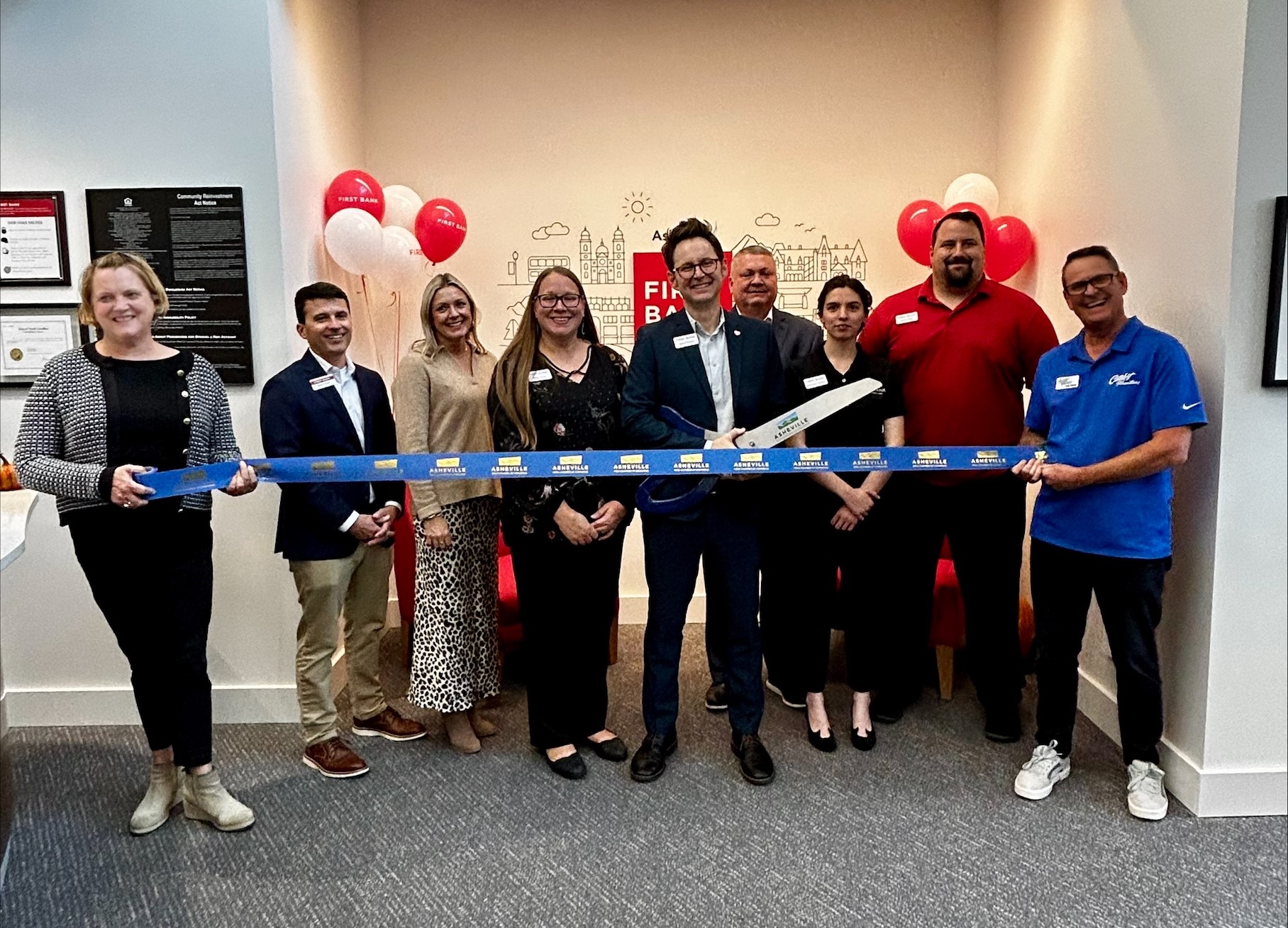
The downtown Asheville team is pictured here doing the location ribbon cutting. How A Great Company Culture Helps Grow Your Business How Company Culture Helps Grow Your Business With Kim O'Quinn, Chief Culture Officer It's easy to think of having a strong company culture as a fun perk rather than a fundamental part of running a successful business. But what if we told you that investing deeply in your company culture could increase the value of your business by more than 200%? Making that investment, while it pays dividends, may be trickier than it seems. The HR management platform Dayforce found that while more than 80% of executives reported investing in company culture, less than half of workers agreed. Here's the thing: culture isn’t defined by a company's leaders. It's created by the choices employees make every day. It's the heartbeat of your business—the way people treat one another, the way they show up for customers, and the energy that fills your workplace. Your company culture affects your bottom line It's a mistake to think about company culture like a dessert after dinner. It's not just a feel-good extra that's only worth considering once the main course of day-to-day business is already tucked away. In fact, company culture is a direct driver of business performance. It affects your bottom line in some ways that are easy to measure—and some that aren't. When an employee feels valued and genuinely enjoys coming to work, they'll bring more energy, creativity, and care to their role. That translates into delighting customers, supporting teammates, and sharing innovative ideas. Enthusiastic employees are also more likely to stick around and grow with the company. At its core, culture is about shared values, beliefs, and behaviors. What makes it distinct is that it's lived every day… not just written in a handbook or hung up on a wall. - Kim O'Quinn Chief Culture Officer at First Bank At First Bank, we saw the difference firsthand when we rolled out our new mission statement in 2014. As a community-focused bank, we wanted to root ourselves in an authentic identity that reflected both our organizational goals and the day-to-day experience of our employees. That's how our Promise to Service Excellence was born. When our employees bought in, everything changed. Over the next few years, we saw higher engagement and measurable results—including more than a 200% increase in our stock price. Building your company culture isn’t an indulgence. It’s an investment that pays off. 5 min read
First Bank logo
Privacy Overview

This website uses cookies so that we can provide you with the best user experience possible. Cookie information is stored in your browser and performs functions such as recognizing you when you return to our website and helping our team to understand which sections of the website are the most popular and useful.