Back
Scroll to top

Banks With Stress-Free Checking Accounts

Personal Finances 3 min read

Ready to talk to an expert?

By switching to a bank with stress-free checking accounts, you can worry less about your finances. At First Bank, we offer stress-free checking accounts to make your personal banking experience as easy as possible.

Types of Checking Accounts at First Bank

First Bank offers five different checking accounts. Take a look at our account options below:

  • Everywhere Checking—this is our basic checking account that offers free, online and mobile banking, account alerts, and a credit card rewards program
  • Everywhere Plus—this account offers the same benefits as our Everywhere Checking account in addition to earning interest on your balances
  • Everywhere Premium—as our top-tier checking account, Everywhere Premium offers the same benefits as Everywhere Checking, plus free membership checks and an unlimited number of free non-First Bank ATM withdrawals
  • Campus Checking—our stress-free student checking account has no monthly fees and offers eight free, out-of-network ATM transactions
  • Senior Checking—seniors 55 and older can qualify for no monthly fees and earn rewards on everyday purchases with an eligible First Bank credit card

Checking Account Benefits

Whether you need a basic checking account or a premium checking account with rewards, First Bank can help you figure out the best option for your finances. Take a look at some of the benefits First Bank offers with our stress-free checking accounts. By meeting minimal requirements, you won’t incur any First Bank fees for things like:

  • Online or mobile banking
  • Account activity alerts
  • Monthly paper or electronic statements
  • Automated online bill paying

We even offer ways of dodging monthly maintenance fees simply by meeting certain requirements. Additionally, depending on which of our five stress-free checking accounts you decide to open, you can avoid fees for things like ATM transactions and check ordering while earning interest on minimal balance requirements.

Visit First Bank Today

Visit your local First Bank and open up a stress-free checking account today or visit us online for other financial resources.


While First Bank does not charge for mobile banking, your mobile carrier’s message and data rates may apply. While First Bank does not charge for Alerts, check with your mobile service provider for web access or text messaging fees. Account holders may avoid the Monthly Maintenance Fee by meeting any of the requirements listed in the Keep if Fee Free™ section of the account summary table for their account type. Other account service fees may apply as described in the Account Services Fee Schedule that is also available at your local branch. See our Terms and Conditions for complete details on our One Rewards Program. Loans subject to credit approval.

Ready to talk to an expert?

Share:

You may be interested in...

How Much Should You Have In Savings at Age 25? If you’re wondering how much you should have in savings by the time you’re 25, you’re already on the right track. At an age where financial independence becomes increasingly more important, how much you can save depends on a number of factors, including income and debt. Savings at Age 25 Many experts agree that most young adults in their 20s should allocate 10% of their income to savings. One of the worst pitfalls for young adults is to push off saving money until they’re older. If you begin at 10% and find that you still have money left over by the time you receive your next paycheck, you may be able to comfortably increase the amount you’re saving per month. You should also consider saving for retirement. CNN Money offers retirement savings suggestions based on your income level: Income Amount Saved Per Year $40,000 $4,000 $65,000 $6,500 $90,000 $9,000 $115,000 $11,500 Financial Goals to Make Saving Easier As nice as saving 10% may sound, there are other factors that can impact to how much you may actually be able to save, including necessary expenses and debt. Here are some milestones that can help you save money each month and help your credit and future purchases: Pay off auto loans, credit card debts and other consumer debts as soon as possible. This does not include student loans and mortgages. You’ll want to focus on the higher interest debt first. Save three months’ worth of living expenses in case of job loss or emergencies. This will allow you to create an emergency fund in case you encounter unexpected financial hardships. Start investing your money in stocks, real estate or bonds. One of the easiest ways to do this is to take advantage of a 401(k) or other retirement fund offered by your employer. Often, employers will match your contribution, so this is a good way to maximize your investment and make it grow quickly. Visit a First Bank Location Today Regardless of your age, it’s important to make savings a priority. If you’re in your 20s and getting started, it can help to have some professional advice. To learn more, turn to the financial advisors at your local First Bank.* We help 3 min read
Image for tile. How To Avoid Scams After Weather Emergencies and Natural Disasters Potential Scam Scenarios Scammers use a variety of tactics to exploit people during the aftermath of disasters. Here are some of the most common scams to watch out for: 1. Imposter Scams Scammers often pose as safety inspectors, government officials, or aid workers, claiming they are there to help. They may ask for sensitive information or upfront payments for services, such as inspections or applications, that are usually provided for free by legitimate organizations. 2. FEMA Impersonators One common scam involves individuals impersonating FEMA (Federal Emergency Management Agency) representatives. They may offer to help you with your FEMA application but will charge an upfront fee, which is not a part of any legitimate FEMA process. FEMA does not charge for applications or assistance. 3. Home Improvement and Debris Removal Scams After a natural disaster, many people need repairs to their homes or businesses. Scammers may pose as contractors offering quick debris removal or repairs but will often demand large sums of money upfront or perform subpar work, leaving victims with little recourse. They may also disappear after taking payment, leaving your property in worse condition. Recognize the Signs of a Scam While scammers can be clever, there are warning signs that can help you spot fraudulent behavior. Keep an eye out for these red flags: No Licensing Required: Scammers may claim they don’t need a license to do the work, which is false. Legitimate contractors should always have a valid license and insurance. Pressure to Sign a Contract Immediately: Scammers often offer a “discount” or say they can only fit you in if you sign a contract on the spot. This tactic is meant to pressure you into making a decision without careful consideration. Signing Over Your Insurance Check: If a contractor asks you to sign over your insurance claim check, beware. This can leave you vulnerable if the work is incomplete or of poor quality. Full Payment Upfront: Asking for full payment before any work is completed is a big red flag. Reputable contractors typically ask for a partial deposit, with the balance due upon completion of the work. Unusual Payment Methods: If someone asks you to pay by wire transfer, gift card, or cryptocurrency, it’s likely a scam. These payment methods are difficult to trace and recover if the contractor disappears. Ways to Avoid a Scam Protecting yourself after a natural disaster requires both awareness and due diligence. Here are steps you can take to reduce the risk of being scammed: 1. Know that FEMA Doesn’t Charge Application Fees FEMA provides disaster assistance for free, and they never charge for processing your application. If someone asks for money to help you qualify for FEMA funds, it’s a scam. Always verify through FEMA’s official website or hotline to ensure you’re dealing with legitimate representatives. 2. Verify Your Insurance Coverage Don’t rely on a contractor to tell you what your insurance covers. Always contact your insurance company directly for details about your policy. Additionally, never sign over your insurance check to a contractor. You want to maintain control over how your funds are spent to ensure the work is completed properly. 3. Be Skeptical of Immediate Offers for Repairs or Clean-Up In the rush to clean up or make repairs, it can be tempting to accept the first offer that comes along. However, unlicensed contractors and scammers often show up in disaster-affected areas promising fast fixes. Be cautious of anyone who demands cash upfront or won’t provide copies of their license, insurance, or a written contract. If they refuse to give you any of these, walk away. 4. Get a Written Contract and Read it Carefully Contract requirements vary by state, but even if your state doesn’t mandate a written agreement, always request one. A contract should outline the scope of work, materials to be used, payment schedules, timelines, and any guarantees. This provides you with legal protection if the contractor fails to deliver on their promises. Take Action: Protect Yourself and Your Community As we work together to rebuild after disasters, staying informed is the best defense against scams. Share this information with friends, family, and neighbors so that everyone in your community is aware of these fraudulent schemes. If you suspect you’ve encountered a scam or have been the victim of fraud, report it to local law enforcement, the Federal Trade Commission (FTC), or FEMA’s Disaster Fraud Hotline. Recovering from a natural disaster is hard enough without having to deal with the fallout from scammers. By recognizing the signs and taking the proper precautions, you can help ensure that your recovery is smooth, safe, and scam-free. Additional Resources: Hurricane Helene: Recovery Scams How to Avoid Imposter Scams How To Avoid Scams After Natural Disasters Picking Up the Pieces After a Disaster Stay safe, stay informed, and protect yourself from those who might try to take advantage during these challenging times. 5 min read
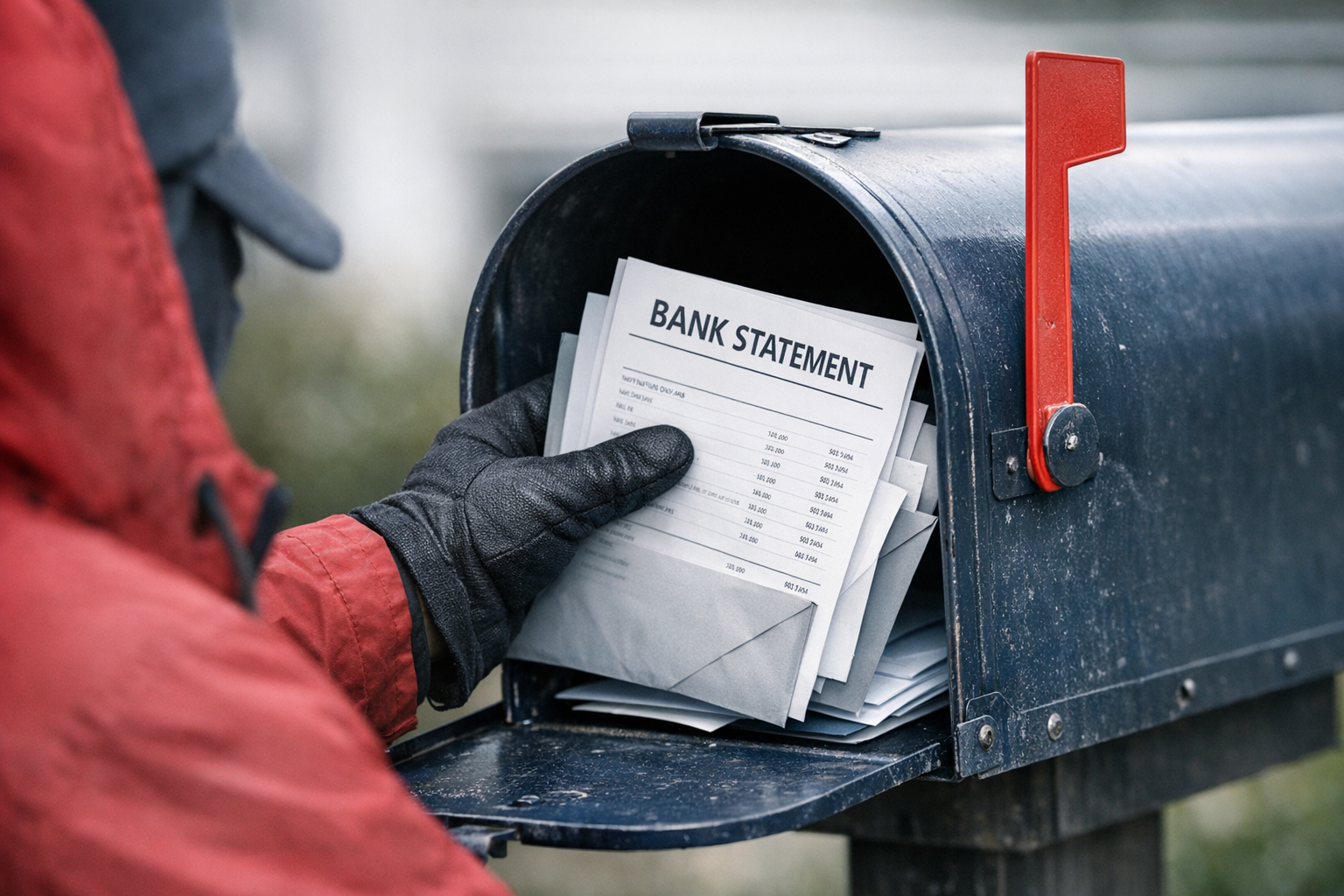
Image for tile. How eStatements help protect you from fraud Are you leaving an unwanted paper trail? Fraud can come from unexpected places — it can even start right in your mailbox. When paper bank statements travel through the mail, they're vulnerable to prying eyes. And with mail theft on the rise, financial documents are a common target for identity thieves. Choosing eStatements is a simple way to reduce that risk. Not only do they help you protect sensitive information, but they also make it more convenient to see your account activity. The hidden risks of paper statements Even after delivery, paper statements can pose a risk. Statements left in a box, misplaced at home, or tossed without shredding can be retrieved and misused. A typical bank statement includes your name, address, partial account number, and a detailed record of your transactions. That information is essential for managing your money, but it can also be used by a bad actor to impersonate you or misuse your account. That’s why we encourage all our customers to opt in to eStatements. Your statements are stored securely online rather than traveling through the mail or sitting around the house. Why eStatements are a safer option eStatements help remove many of the risks and inconveniences that come with paper mail: No paper mail. eStatements never pass through the postal system, so there’s no chance of them being misplaced, intercepted, or pulled out of the trash. Secure access. First Bank uses encryption and authentication measures to protect our online banking platform, adding layers of security that paper simply can’t provide. Faster visibility. eStatements are typically available sooner than mailed statements, giving you the chance to review activity quickly and spot anything that doesn’t look right. As a best practice, the FDIC encourages consumers to regularly monitor their accounts and take advantage of digital banking tools. eStatements make both habits easier. A small change that makes a meaningful difference Switching to eStatements isn't a guarantee of fraud prevention, but it will lower your risk. With a strong password, account alerts, and a little vigilance, you can stay one step ahead. It only takes a few clicks to get started. Go to our online banking platform and select eStatements from the menu to opt in. Or if you’d rather talk it through, our Customer Support team is always happy to help. Remember: While eStatements help reduce certain risks, customers should continue to monitor their accounts regularly and report any suspicious activity right away. 3 min read
First Bank logo
Privacy Overview

This website uses cookies so that we can provide you with the best user experience possible. Cookie information is stored in your browser and performs functions such as recognizing you when you return to our website and helping our team to understand which sections of the website are the most popular and useful.