Back
Scroll to top

You’re Getting Married! Keep These 8 Things in Mind

Personal Finances 3 min read
Getting Married

Ready to talk to an expert?

Getting married is not a small feat for many reasons – among them, marriage represents a new stage in your financial life. Here are the financial issues soon-to-be newlyweds need to discuss.

How each of you views money.

Are you a saver or a spender? What about your fiancé? What goals do you have for your life together, and what part does money play in helping you to achieve them? Open communication is essential to any relationship, including a financial one.

How you’ll set up your bank accounts.

Many couples decide to set up a joint account. Others may choose to have one joint account for household expenses as well as separate personal accounts. That option may be better for couples with different spending philosophies.

How you’ll write/update your wills and beneficiary information.

Make sure you and your spouse are passing on your assets in the way that you want. In at least one case, a man’s ex-wife got his entire 401(k) after he forgot to change the beneficiary information. That kind of mistake is easily avoidable.

What kind of life insurance you need.

You may want to update your life insurance policy not just to help your new spouse, but also to help any children you may already have. In the event of your death, your new spouse could get assets that would have otherwise gone to your children. Life insurance policies allow you to determine the beneficiary or beneficiaries you want.

How you’ll determine – and stick to – a budget.

Online tools like MyMoney can help you keep track of your finances and make sure that your spending matches your priorities.

How you’ll deal with debt.

Credit card debt and student loan debt can hurt a new couple’s ability to save. Paying down your debts and staying debt-free (aside from a home) will help you lay a firm financial foundation.

How much you need to put aside for a rainy day.

It’s a good idea to have access to enough cash to sustain you for at least six months – some people are more comfortable with twelve. If you don’t already have an emergency fund, make it a priority; you never know when those rainy days might happen.

How you’ll save money for the long term.

As part of your open communication, have a conversation about how you’ll build wealth to enjoy your life together. Asking your financial advisor about a Roth IRA is a great place to start. Just remember that retirement can be a moving target based on your needs, abilities, desires, and the changing world around you. This is a conversation you should revisit throughout your marriage.
Ready to talk to an expert?

Share:

You may be interested in...

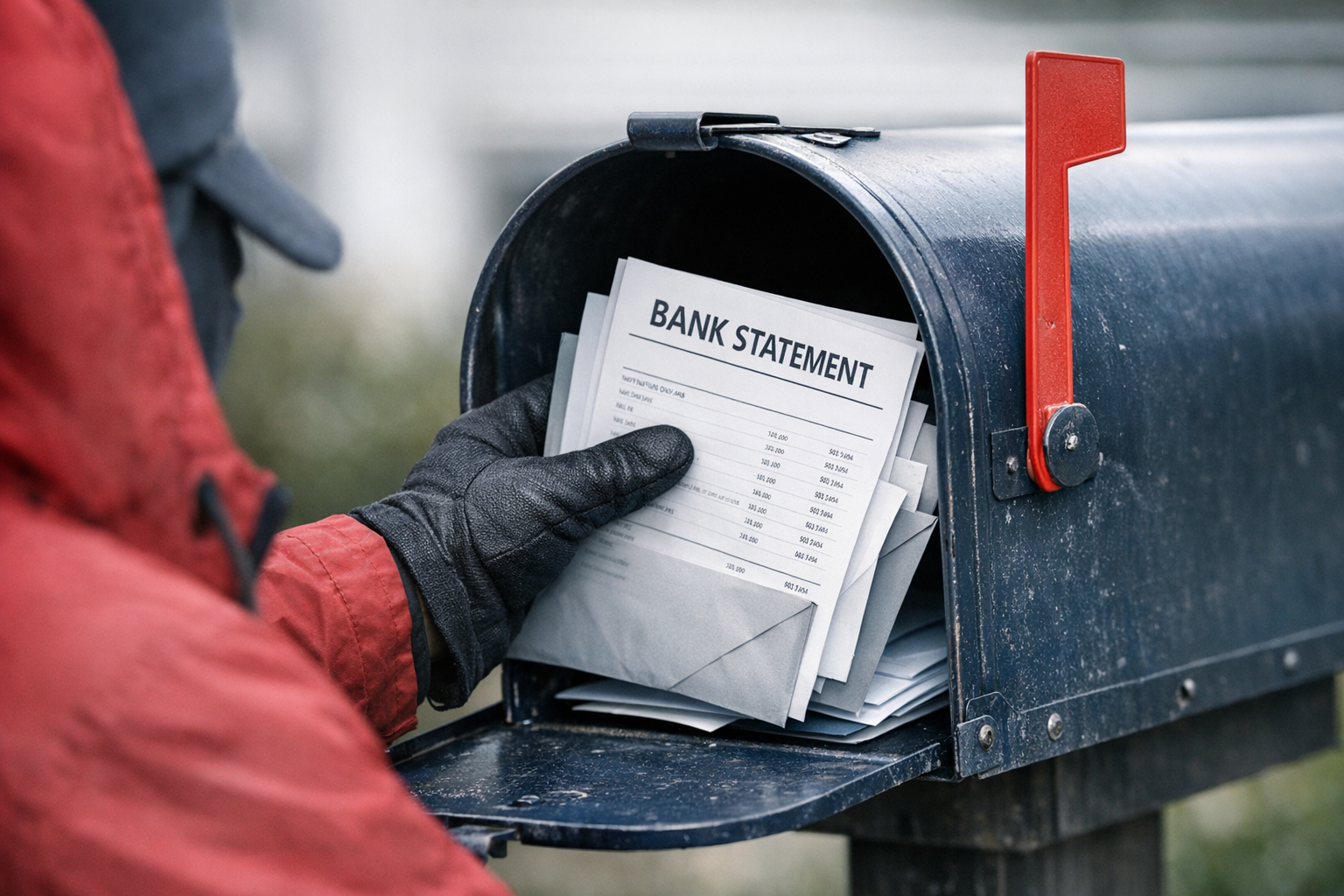
Image for tile. How eStatements help protect you from fraud Are you leaving an unwanted paper trail? Fraud can come from unexpected places — it can even start right in your mailbox. When paper bank statements travel through the mail, they're vulnerable to prying eyes. And with mail theft on the rise, financial documents are a common target for identity thieves. Choosing eStatements is a simple way to reduce that risk. Not only do they help you protect sensitive information, but they also make it more convenient to see your account activity. The hidden risks of paper statements Even after delivery, paper statements can pose a risk. Statements left in a box, misplaced at home, or tossed without shredding can be retrieved and misused. A typical bank statement includes your name, address, partial account number, and a detailed record of your transactions. That information is essential for managing your money, but it can also be used by a bad actor to impersonate you or misuse your account. That’s why we encourage all our customers to opt in to eStatements. Your statements are stored securely online rather than traveling through the mail or sitting around the house. Why eStatements are a safer option eStatements help remove many of the risks and inconveniences that come with paper mail: No paper mail. eStatements never pass through the postal system, so there’s no chance of them being misplaced, intercepted, or pulled out of the trash. Secure access. First Bank uses encryption and authentication measures to protect our online banking platform, adding layers of security that paper simply can’t provide. Faster visibility. eStatements are typically available sooner than mailed statements, giving you the chance to review activity quickly and spot anything that doesn’t look right. As a best practice, the FDIC encourages consumers to regularly monitor their accounts and take advantage of digital banking tools. eStatements make both habits easier. A small change that makes a meaningful difference Switching to eStatements isn't a guarantee of fraud prevention, but it will lower your risk. With a strong password, account alerts, and a little vigilance, you can stay one step ahead. It only takes a few clicks to get started. Go to our online banking platform and select eStatements from the menu to opt in. Or if you’d rather talk it through, our Customer Support team is always happy to help. Remember: While eStatements help reduce certain risks, customers should continue to monitor their accounts regularly and report any suspicious activity right away. 3 min read
First Bank is One of the Top Banks in the U.S.A. When searching for the top banks in the U.S., it is often smarter to work with a small community bank over a national bank. Small banks often have deeper connections to the community and are invested in the success of individuals and businesses. First Bank* is a community bank that provides a wide range of banking services to people living in North Carolina and South Carolina. Make First Bank Your Top Choice Recent data shows that community banking institutions make up 94% of all banks in the United States. This is largely due to the fact that local banks continue to serve an important role for small businesses, agricultural lending and the nation’s overall economic sector. According to Forbes, “Small banks serve the economy well: they provide reasonably safe places for savings and are a source of essential finance for households and businesses.” Since opening our first branch in 1935, First Bank has had a longstanding commitment to providing the right solutions for financial success. Today, First Bank has grown into a progressive bank network that serves people throughout North Carolina and South Carolina. More than 80 years after opening, First Bank’s focus remains the same: to be the best community bank in every community we serve and through every delivery channel we offer. Our Core Values Becoming one of the top banks in the U.S. does not come without creating a distinct mission, vision and set of core values. At First Bank, the following core values are also what differentiate us in a competitive market: Be committed to safety and soundness. Provide accurate, prompt, courteous service. Make it easy for our associates to deliver the best value to our clients, and easy for our clients to do business with us whenever, wherever, and however they choose. Help our clients and associates build and achieve goals. Our Services First Bank offers a wide variety of banking services, including: Personal checking and savings accounts Personal loans and credit  Business checking and savings accounts Business loans and credit Mortgages Digital banking Find a First Bank Near You With over 100 locations across NC and SC finding a First Bank near you is simple. Visit our Location Finder and type in your city and state or zip code. Or, 3 min read
First Bank logo
Privacy Overview

This website uses cookies so that we can provide you with the best user experience possible. Cookie information is stored in your browser and performs functions such as recognizing you when you return to our website and helping our team to understand which sections of the website are the most popular and useful.