Back
Scroll to top

Personal Finances Articles

From personal finance to paying off debt, credit score insights, and more — you’ll find everyday financing basics here.

Learn About Everyday Finances

Understanding how to manage your money is the first step to financial health. To help our communities, we’ve compiled articles with helpful tips for stretching your hard-earned dollars further. For a deeper dive on financial topics below, you can also check out our financial wellness courses.

All Budgeting and Goals Credit: Score and More Family Finances Fending Off Fraud Paying Off Debt Personal Finance 101 Homeownership Retirement Student Loans

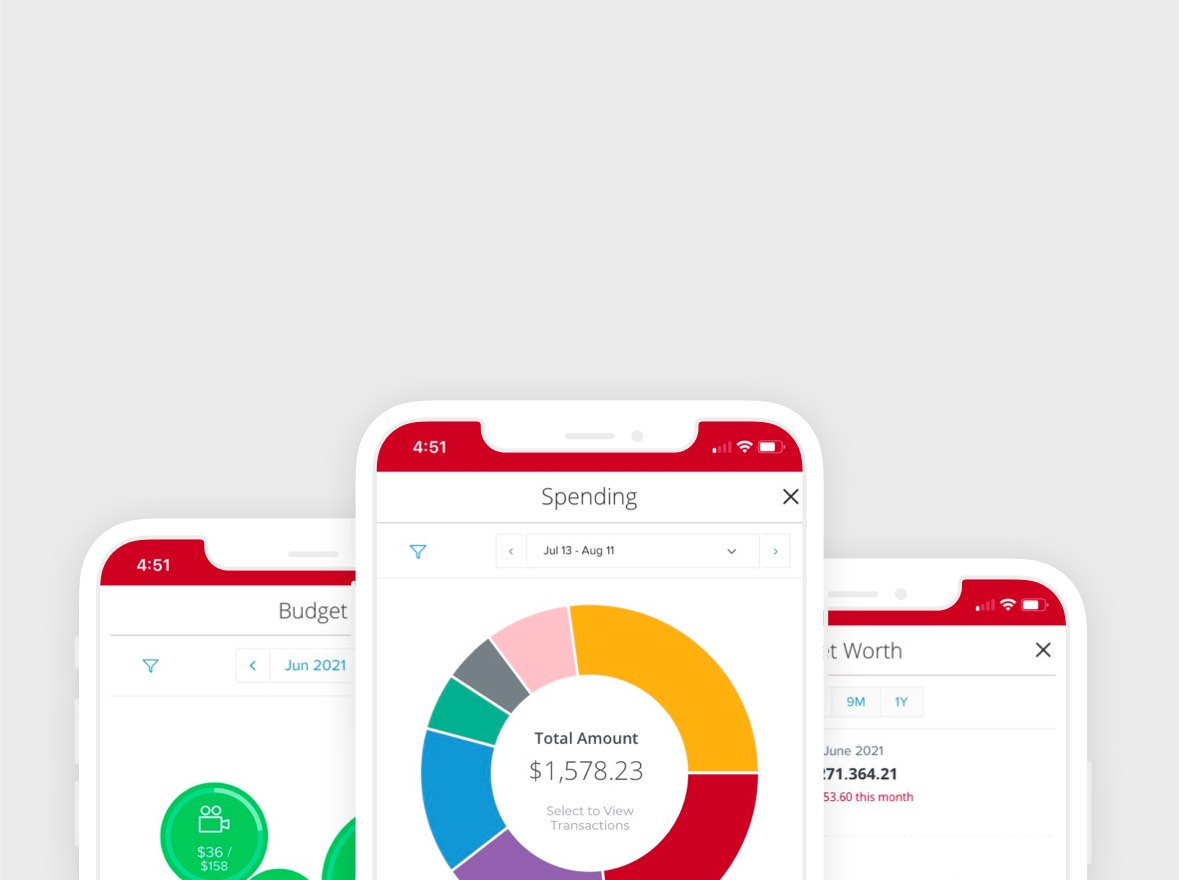
Image for tile. Tips to Freshen up Your Budget First Bank Clients: Are you using your MyMoney tools in online banking? MyMoney Manage your budget, track your spending, and modify your debt payback plan – all from your First Bank online banking account. Learn how Start with your (e)mail. Do you have a system for keeping your mail organized and sorted? Credit card and loan statements, bank statements, bills, and receipts can pile up quickly. An organized mail area in your home is the first step in keeping track of your bills and expenses. Bring that cleaning momentum into your email inbox and organize your e-statements too. If your email inbox is piling up, it might be time to clean it out. Here are a few email cleaning suggestions. Tally up your monthly expenses. You can use paper and a pencil, a spreadsheet, or budgeting software. Choose a method you are most comfortable with and get started. If you search for budgeting templates in Google, you’ll find a seemingly endless number of options. A template similar to this option from Microsoft is a good starting point for logging your expenses in a spreadsheet. Check in with your automatic and recurring transactions. Many utility providers, subscription services, and credit cards offer automatic payment options. Autopay enrollment is a great way to ensure you won’t miss a payment, but it can become easy to lose track of where your money is being spent. If you like the convenience of automatic payments but want to keep a better eye on those transactions, consider enrolling in Bill Pay. At First Bank, our Bill Pay system allows you to manage all of your payments from one place. Learn more about First Bank Bill Pay here. Predict your variable expenses. Examples of variable expenses are food, gas, clothing, pet care, prescriptions, etc. that change each month. These are more difficult to pin down, but there are a number of ways to do it. You can either look into the past and add up expenses from each spending category, or you can track those expenses moving forward in real time. Whichever your preference, having a strong understanding of how much you should be spending on non-fixed expenses each month will give you a more accurate picture of your discretionary spending. For a list of common personal budgeting categories, click here. Refine your debt repayment and savings goals. It’s hard to choose between prioritizing debt repayment or saving for the future. While you want to avoid paying unnecessary interest and penalties on your debts, it’s also important to have an emergency savings fund so that you’re less likely to incur more debt when unexpected expenses arise. Many experts recommend having enough saved to cover 3-6 months of expenses. First Bank offers a number of savings account options so that you can keep that money separate from your checking account. Did you know that First Bank credit cards offer $0 balance transfer fees? Here is a helpful calculator to see if a First Bank credit card is right for you. If you’re struggling with making your debt payments, you’re not alone. Our bankers understand that circumstances can be tough and everyone has a different financial story. We want you to feel comfortable talking about you finances and confident in creating a successful path forward. Please reach out to your local First Bank and we’ll do what we can to help you get back on track. Use your discretion. With recent cost of living increases, your typical discretionary expenses are most likely also increasing and could be throwing off your budget. Depending on your debt and savings goals, you might want to readjust your discretionary spending to allocate more for debt payments and savings deposits. MyMoney: Your First Bank Advantage If you’re a First Bank client, log in to your online banking account and explore the Financial Tools section (also known as MyMoney). This service will create a budget snapshot for you. To ensure accuracy, you’ll want to link all of your active banking accounts and customize your spending categories. Find MyMoney instructions here. One of our favorite ways to use MyMoney is to select the ‘Trends’ tab and view your monthly trends by category. You’ll have a nice breakdown of each expense category with the amount spent shown per month. 4 min read
Mature woman at home looking at the bills and taxes and trying to calculate and pay them. Ways to protect yourself against check fraud Check fraud is on the rise. Here’s what you can do. These days fraud is everywhere, and fraudster methods are always evolving. A growing number of methods are targeting your checkbook. Did you know that checks are now one of the least secure forms of payment? Criminals are combining old-school methods of theft with readily available technology to steal checks, impersonate account holders, and sell to the black market. Arm yourself with the knowledge to protect your identity and checking account. How is check fraud committed? Lifting ink: Lifting ink from a check, or “check washing”, can be done using chemicals as readily available as nail polish remover. Criminals can remove your intended payee’s information and replace it with theirs while also increasing the dollar amount. They then deposit the fraudulent check into their account. Targeting mailboxes: Once mail is stolen from a residential mailbox or a USPS blue box, criminals sift in search of checks that can be washed and forged. The frequency of mail theft is directly correlated to the spike in check fraud. Selling check images on the dark web: There is a growing network of darknets and encrypted communication platforms that criminals use to sell check images. Criminals can use the personal information from your check and your banking information to commit identity theft scams.   Consider these check-writing alternatives and services. If you can, try to avoid placing checks in the mail. First Bank offers a number of alternative options for mailing checks like BillPay, Zelle, External Transfer services, and more. Bill Pay: This free service lets you avoid the hassle of writing checks or visiting multiple websites to stay on top of your payments. See how convenient it is to manage your payments from one place. External Transfers: For those who support their kids in college or if you’re constantly writing checks between your First Bank account and one at another bank, First Bank’s External Transfer option makes it quick and easy to securely transfer funds. If you own both accounts, learn how to set up a transfer here. Zelle®1 : In your First Bank mobile app, you have access to Zelle®, a fast, safe, and easy method to send money directly from your bank 4 min read
Habitat Group Photo Q&A: What Should I Consider When Selecting a Bank? When looking for the perfect bank, ask yourself, “Does this bank complement my lifestyle and financial goals?” At First Bank, we believe it should. You may also want to consider the following 4 criteria: Community Involvement Longevity & Stability Personalized Customer Service Breadth of Financial Service   1. Community Involvement When comparing your banking options, consider how your prospective bank is involved in your community. If local economic growth is important to you, prioritize a community-focused bank that is committed to reinvesting in local economic development. An actively involved bank can provide your neighbors with increased access to small business loans, mortgages, charitable donations, and overall financial wellness. For example, First Bank has invested over $1.2 billion in community development loans to revitalize low- and moderate-income areas. Additionally, in 2022, we donated $500,000 to support education-focused initiatives across the Carolinas. As First Bank grows, so do the communities we serve. 2. Longevity & Stability Do your research – find a bank with a track record of success and the ability to remain steadfast during uncertain economic times. Consider how long the bank has been established and how they plan for growth into the future. First Bank began in 1935 during the height of the Great Depression in order to safeguard the hard-earned funds of local farmers, community members, and business people. Throughout our organization’s 87-year history, we have seen recessions, depressions, and many banks come and go. While we stay current with modern banking trends, we will continue to operate our company with an intense focus on safety and soundness, so our customers, clients, partners, investors, and associates know that we will provide safe and stable long-term success. 3. Personalized Customer Service It’s important to think about what your perfect banking relationship would look like. Do you value a tailored in-person experience or do you prefer online banking services with less one-on-one interaction? Regional banks, like First Bank, have the ability to offer the best of both worlds. The personal relationships that we develop within our communities help us advocate for our customers’ best interests. We can offer competitive rates and recommend the best financial tools to the right businesses, municipalities, and families at the right time. When you’re traveling 3 min read
Image for tile. 3 Steps to Creating a Strong and Unique Password In today’s world, passwords have become an important part of our daily lives. We use them for everything from social media accounts to digital banking, and endless apps in between. Although it is easy to choose the same short and memorable passphrase for everything, it can leave you wide open for risk if one of those platforms is compromised. Step One: Change It Up The first step to protecting yourself from data breaches is defining secure phrases for your different accounts in order to alleviate risk. The consider the following tips to remember when selecting a password: Make sure your password is at least 12 characters Include upper-case and lower-case letters throughout Avoid keyboard paths like 45678 or asdfg Add punctuation marks within the password not just at the end Step Two: Make it Meaningful While there is strength in a lengthy password, trying to remember an array of random letters, symbols, and numbers such as YP&3U6?@DM2$ may be difficult; therefore, it is beneficial to use phrases meaningful to you, but ambiguous to others. Instead of using easily predictable passwords containing information shared online such as birthdays, anniversaries, or family names, try relating it to your favorite hobby, food, or movie in order to better protect yourself. For example, creating a password that combines your favorite movie and the last 4 digits of your best friend’s phone number like PreTTyWoM@N2849! ensures that cybercriminals cannot effortlessly hack your account. Here is a chart designed to help you better understand how easily a cybercriminal can guess your password and the time it would take for you to be hacked. Step Three: Keep It Secret, Keep It Safe The more complex your passwords, the easier it is to forget a character and get locked out. So, what’s the best solution to keep everything straight and safe? Online: Storing passphrases on your phone or computer or sending them through email or text often seems like a convenient hassle-free solution, but it creates the opportunity for hackers to obtain private information. Offline: Writing down your passwords can be the safest way to store your information, but it is still crucial to not record them word for word. Sadly, fraud often times comes from internal sources 4 min read
Cropped shot of a businesswoman sitting alone and typing on her laptop during the day at home Learn the Cybercrime Warning Signs The number of cybercrimes continues to increase day by day. This can sometimes make it hard for you to completely protect yourself from these threats. But the more you know about these scams, the better chance you’ll have at identifying and avoiding them. What is a cybercrime? Cybercriminals aim to exploit your information for their own personal gain, causing harm to financial stability and exposing secure information. Cybercrimes are those criminal activities where a computer or the internet is used as a tool for fraudulent claims, to gain personal or business information, or to infect networks and devices. *First Bank will always take the appropriate measures to keep your personal information safe. In this article, we have outlined some common cyber scams, so that you can understand what to look out for. Some common scams/fraud includes: Phishing Email Scams Perhaps the most common type of scam is phishing, usually done via email and designed to look like they are coming from someone at your company, someone you know, or a notable figure. Because these emails look like they can come from anyone, it is easy to be caught in this form of scam. It may be hard to fully protect yourself from them, but it is always best to double check who is requesting your information. Payroll Scams In Protecting Against Fraud from Nacha, a payroll scam is when, “fraudsters target individual employees by directing the employees to update or confirm their payroll information via a fake payroll platform that spoofs their employer’s actual payroll platform. In some cases, the fraudster may claim the employee must do one of these: view a confidential email from human resources or the payroll department, view changes to the employee’s account, or confirm that the account should not be deleted.” Cybercriminals will use the stolen credentials to change payment information within the business’s payment platform. This type of scam can be extremely dangerous to an individual and a company because it exposes both user and business information. Romance Scams According to fbi.gov, romance scams, or online dating scams, “occur when a criminal adopts a fake online identity to gain a victim’s affection and trust. The scammer then uses the illusion of a romantic or 7 min read
Image for tile. Learn How to Be A Phishing Attack Detective With a number of people relying heavily on online services and communication for work and personal life, cybercriminals have increased their volume of attempts to acquire personal information. One of the most common ways they may try to gain access to this secure information is through phishing attacks. This causes problems for both individuals and companies when they are trying to keep information safe. What is phishing? As described by phishing.org, “Phishing is a cybercrime in which a target or targets are contacted by email, telephone or text message by someone posing as a legitimate institution to lure individuals into providing sensitive data such as personally identifiable information, banking and credit card details, and passwords. The information is then used to access important accounts and can result in identity theft and financial loss.” These attempts may look like someone posing as a coworker, asking for input, including links or attachments, among other things. Scammers attempt to gain access to user information every day, but when you know what to look for you don’t have to become a victim. Take a look at our playlist for a few tips to help you become a phishing email detective and use them in your everyday life. It is always a good idea to double check information before opening anything from unknown senders. In episode 1, you see Gil Ubble attempting to open an email from an external source. Upon further investigation, the domain name does not match and the email is not from someone at the company. Often times people are caught in these attacks because they aren’t paying close enough attention to who the email came from. If the email in question looks similar to something that provider would send, do not click on links or attachments. Instead, go directly to that company site or give them a call to make sure the information is accurate. If the email comes from someone who seems to work at your company, but you do not know the person, check to see if they actually work there. Even if the person’s email shows that they work at your company, check the email for other signs of false information. Scammers may go to extra lengths to spoof email addresses 4 min read
Get In Touch
First Bank has the resources you need, when you need them. Our personal banking services are there for you at the right time, every time.
First Bank logo
Privacy Overview

This website uses cookies so that we can provide you with the best user experience possible. Cookie information is stored in your browser and performs functions such as recognizing you when you return to our website and helping our team to understand which sections of the website are the most popular and useful.