Back
Scroll to top

Fraud Resource Center

Safety starts with smarts. We’re here to help you protect your accounts from fraud.

Background image with First Bank squares branding.

Don’t fall for a wolf in sheep’s clothing!

Use these helpful resources to keep your money and your data safe.
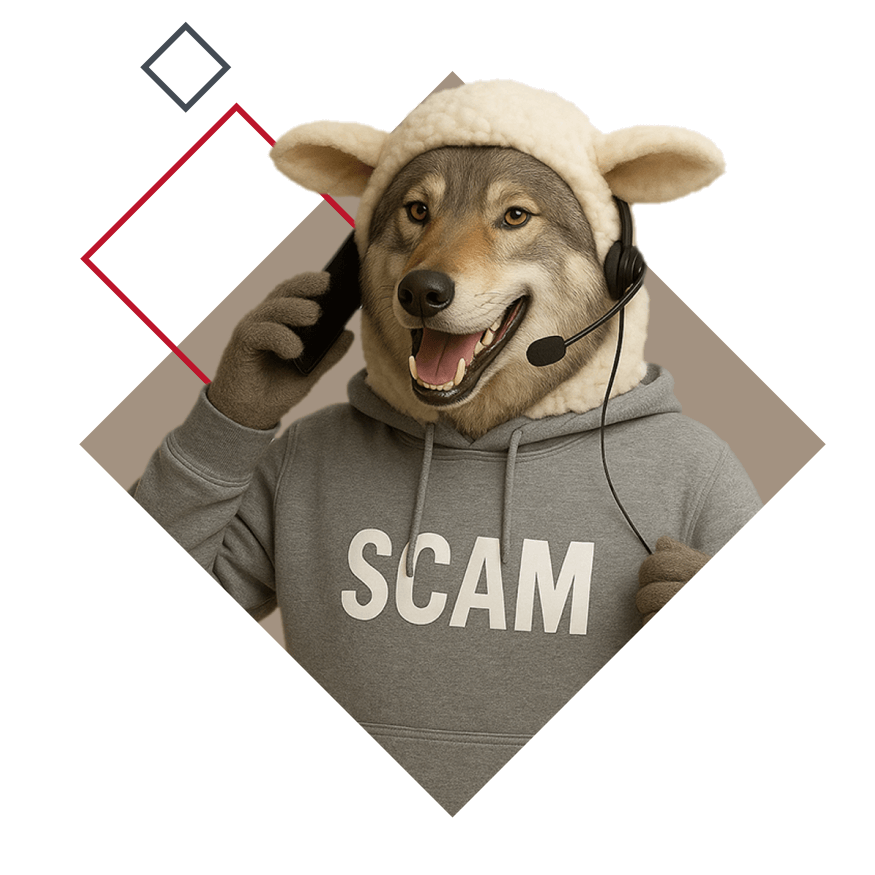
Download our Fraud Spotter Checklist!

Fraud is everywhere, but we’re here to help you stay safe. Our Fraud Spotter Checklist is the perfect tool for helping you spot a scam.

Get your checklist

Red flags aren’t always obvious

Know how to spot signs of fraud so you can stop scammers in their tracks.
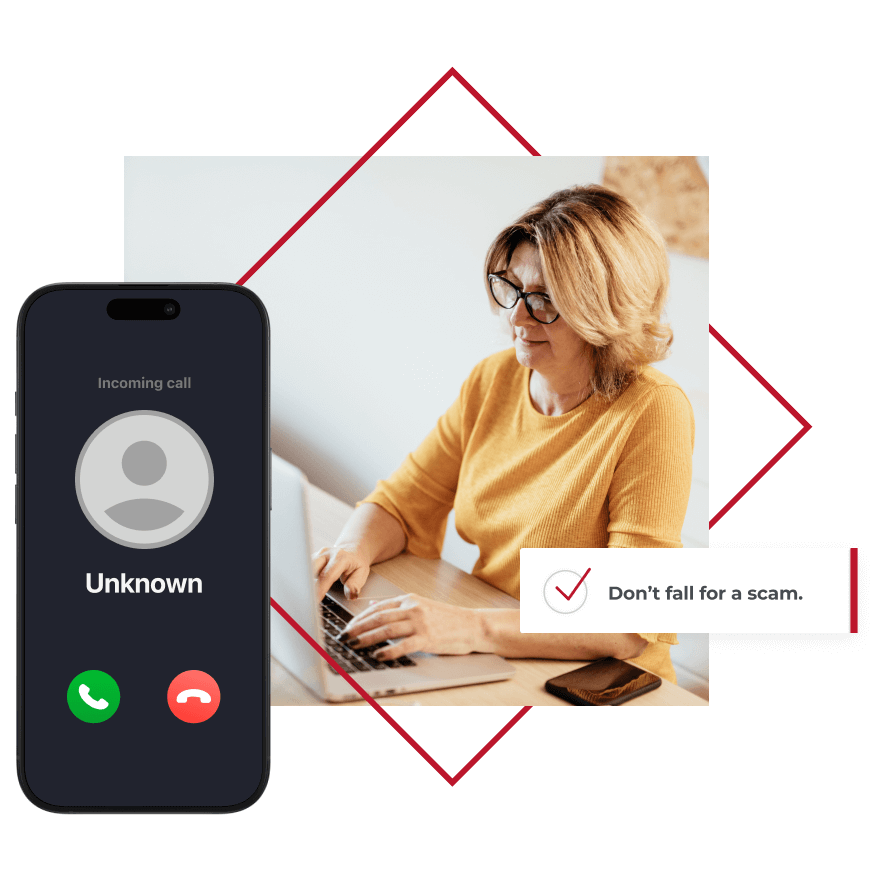
A phone with an unknown call and a woman typing on a laptop

Knowledge is your best fraud defense.

Use these resources to learn how to spot a scam.

Follow these simple fraud-fighting tips:

Rule 1
A First Bank employee will never call, email, or text you to ask for your password, PIN, one-time passcode, or secure access code.
Rule 2
Resist pressure to act immediately. Scammers create a false sense of urgency to keep you from thinking things through.
Rule 3
Caller ID can easily be faked to make it look like a phone call is coming from a legitimate source.
Rule 4
Think you fell for a fraud attempt? Call your First Bank branch. We’ll walk you through what to do next.
Do you know the answers to these critical questions?
Scammers often gather personal details from public records, data breaches, or social media. Just because a caller knows your name or your bank details, that doesn’t make them legitimate — they may only need one more piece of sensitive information to lock you out of your account.
Not always. Instead of clicking a link, go directly to the company’s website or app. And if you do click a link, always double check the details — make sure the sender’s email address and the destination URL don’t contain misspellings and that they line up with the organization you think the email is from.
That “urgency” is meant to stop you from thinking clearly. When we feel pressured or like there’s an emergency, our emotions can hijack our logical thinking. Legitimate businesses will never have a problem with you hanging up and calling back later — if the caller tries to force you to stay on the line, it’s likely a scam.
Yes. If a friend, coworker, or vendor’s account is compromised, scammers may use their information to impersonate them. Always verify unexpected requests, even from familiar names, by reaching out to the person at a number you trust.
They can be. Scammers often ask for payment through an app, a wire transfers, or in cryptocurrency — those types of transactions are harder to stop or reverse. If someone insists on using one of these methods, it’s a serious red flag.
Fake invoices and unexpected changes in payment method or in payroll are common signs of fraud. Scammers may pose as vendors and ask you to update your account details or claim that you have an overdue invoice. Always confirm changes with a trusted contact.
The safest thing to do is always to stop what you’re doing and step away. Hang up the phone, close the email, don’t respond to the text message. Call your bank or stop by a local branch. A quick check can stop a major problem before it starts.

Safety starts with smarts

Dive into our expansive library of educational resources!

We’re here when you need us

First Bank logo
Privacy Overview

This website uses cookies so that we can provide you with the best user experience possible. Cookie information is stored in your browser and performs functions such as recognizing you when you return to our website and helping our team to understand which sections of the website are the most popular and useful.