Back
Scroll to top

Fraud Resource Center

Safety starts with smarts. We’re here to help you protect your accounts from fraud.

Background image with First Bank squares branding.

Don’t fall for a wolf in sheep’s clothing!

Use these helpful resources to keep your money and your data safe.
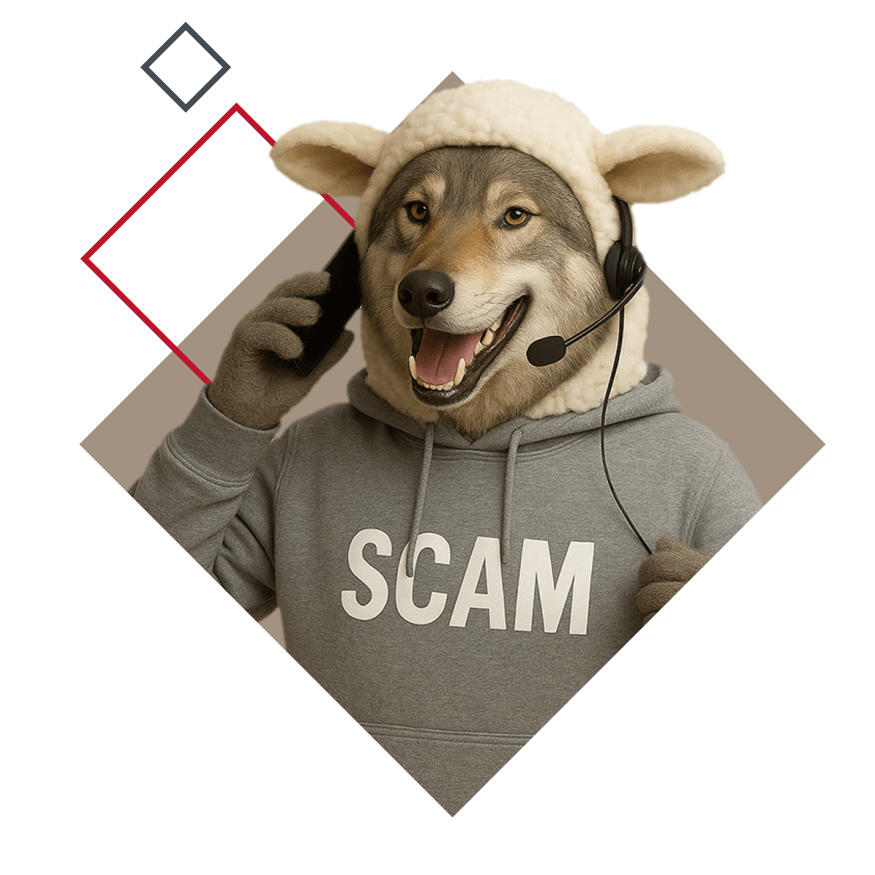
Download our Fraud Spotter Checklist!

Fraud is everywhere, but we’re here to help you stay safe. Our Fraud Spotter Checklist is the perfect tool for helping you spot a scam.

Get your checklist

Red flags aren’t always obvious

Know how to spot signs of fraud so you can stop scammers in their tracks.
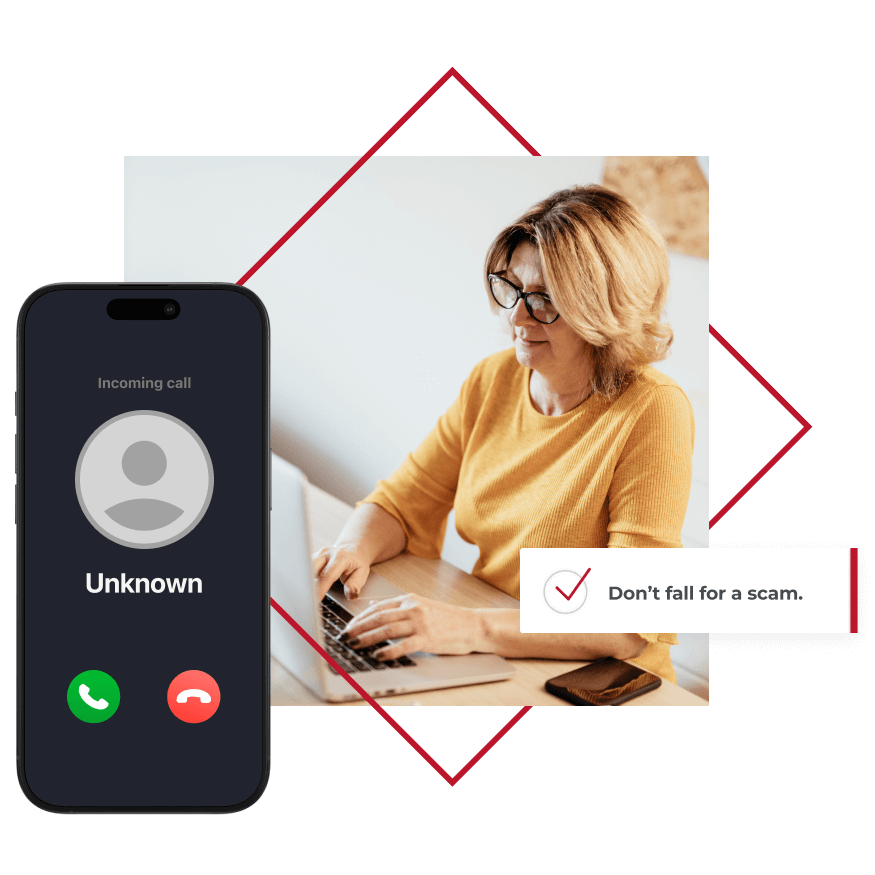
A phone with an unknown call and a woman typing on a laptop

Knowledge is your best fraud defense.

Use these resources to learn how to spot a scam.

Follow these simple fraud-fighting tips:

Rule 1
A First Bank employee will never call, email, or text you to ask for your password, PIN, one-time passcode, or secure access code.
Rule 2
Resist pressure to act immediately. Scammers create a false sense of urgency to keep you from thinking things through.
Rule 3
Caller ID can easily be faked to make it look like a phone call is coming from a legitimate source.
Rule 4
Think you fell for a fraud attempt? Call your First Bank branch. We’ll walk you through what to do next.
Do you know the answers to these critical questions?
Scammers often gather personal details from public records, data breaches, or social media. Just because a caller knows your name or your bank details, that doesn’t make them legitimate — they may only need one more piece of sensitive information to lock you out of your account.
Not always. Instead of clicking a link, go directly to the company’s website or app. And if you do click a link, always double check the details — make sure the sender’s email address and the destination URL don’t contain misspellings and that they line up with the organization you think the email is from.
That “urgency” is meant to stop you from thinking clearly. When we feel pressured or like there’s an emergency, our emotions can hijack our logical thinking. Legitimate businesses will never have a problem with you hanging up and calling back later — if the caller tries to force you to stay on the line, it’s likely a scam.
Yes. If a friend, coworker, or vendor’s account is compromised, scammers may use their information to impersonate them. Always verify unexpected requests, even from familiar names, by reaching out to the person at a number you trust.
They can be. Scammers often ask for payment through an app, a wire transfers, or in cryptocurrency — those types of transactions are harder to stop or reverse. If someone insists on using one of these methods, it’s a serious red flag.
Fake invoices and unexpected changes in payment method or in payroll are common signs of fraud. Scammers may pose as vendors and ask you to update your account details or claim that you have an overdue invoice. Always confirm changes with a trusted contact.
The safest thing to do is always to stop what you’re doing and step away. Hang up the phone, close the email, don’t respond to the text message. Call your bank or stop by a local branch. A quick check can stop a major problem before it starts.

Safety starts with smarts

Dive into our expansive library of educational resources!

Pencil laying on 1040 tax form Staying Safe from Tax Scams We received the following very handy and timely article from the Multi-State Information Sharing and Analysis Center (MS-ISAC) in regards to staying safe during this season of numbers crunching and record keeping for taxes. As always, if you have any specific tax questions, be sure to consult a tax prep professional. Watch out for these scams Unfortunately, much of your personal information can be gathered from multiple locations online with almost no verification that the right person is receiving the information. Criminals know this and use the information to file a fake tax refund request! If a criminal files a tax return in your name before you do, they will file it with false information to get a large refund, forcing you to go through the arduous process of proving that you did not file the return and subsequently correcting the return. Once they have your personal information, criminals can continue to commit identity theft well beyond the tax season. Another favorite technique used by criminals during the tax season is sending phishing messages indicating that a new copy of your tax form(s) is available. These emails often impersonate state, local, tribal, and territorial government comptroller or IT departments. If you fill out or attempt to login into the phishing website, the criminals will be able to see your login name and password, which they can then use to try and compromise your other accounts. The more information they gather from you, the easier it is for them to use the information to file a fake tax return in your name. Lastly, tax fraudsters also impersonate the IRS and other tax officials to threaten taxpayers with penalties if they do not make an immediate payment. It is important to remember: The IRS will not initiate contact about payment with taxpayers by phone, email, text messages, or social media without sending an official letter in the mail first. The IRS will not call to demand immediate payment over the phone using a specific payment method such as a debit/credit card, a prepaid card, a gift card, or a wire transfer. The IRS will not threaten to immediately notify local police or other law-enforcement agencies to have you arrested for not paying. 4 min read

We’re here when you need us

First Bank logo
Privacy Overview

This website uses cookies so that we can provide you with the best user experience possible. Cookie information is stored in your browser and performs functions such as recognizing you when you return to our website and helping our team to understand which sections of the website are the most popular and useful.