Back
Scroll to top

Fraud Resource Center

Safety starts with smarts. We’re here to help you protect your accounts from fraud.

Background image with First Bank squares branding.

Don’t fall for a wolf in sheep’s clothing!

Use these helpful resources to keep your money and your data safe.
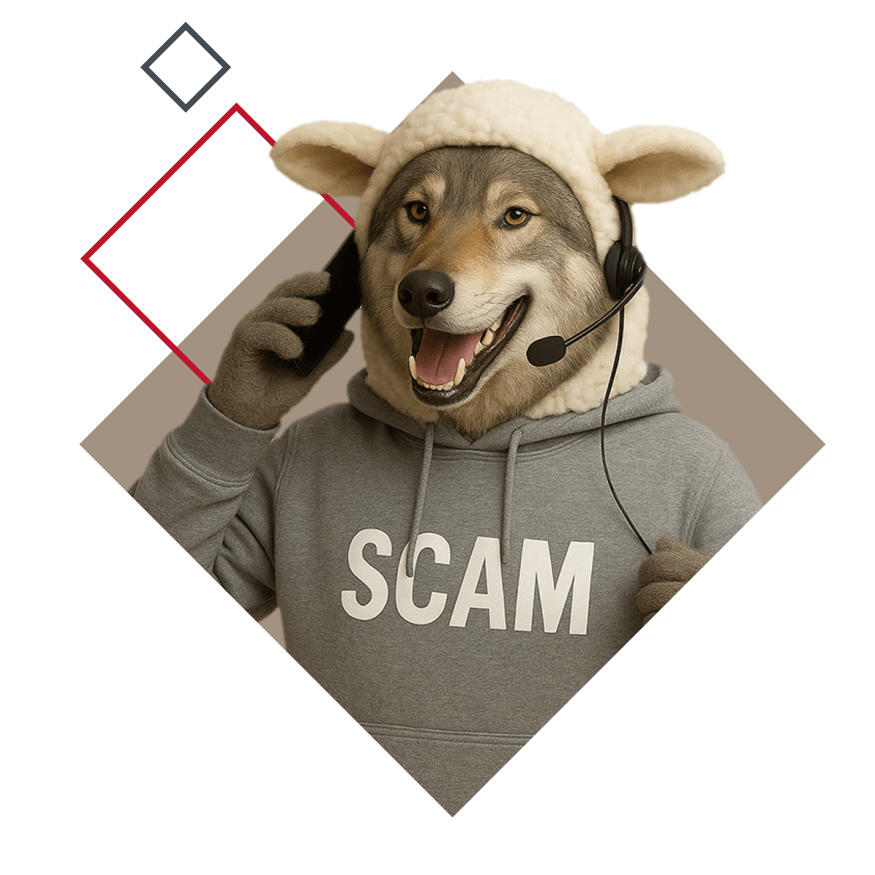
Download our Fraud Spotter Checklist!

Fraud is everywhere, but we’re here to help you stay safe. Our Fraud Spotter Checklist is the perfect tool for helping you spot a scam.

Get your checklist

Red flags aren’t always obvious

Know how to spot signs of fraud so you can stop scammers in their tracks.
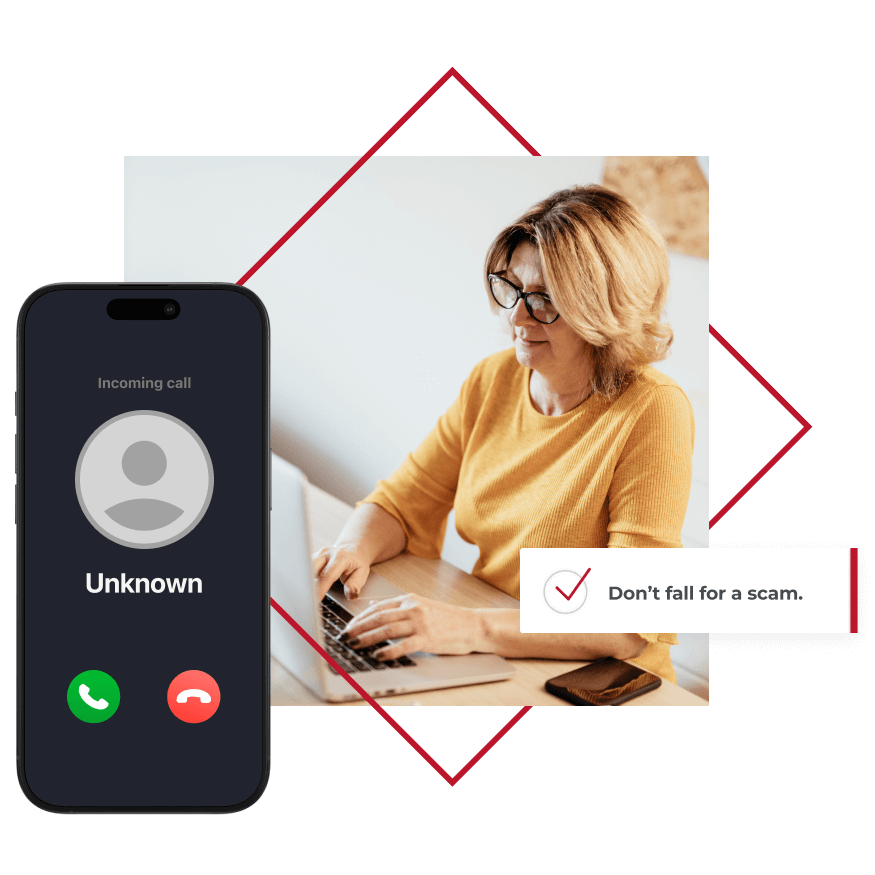
A phone with an unknown call and a woman typing on a laptop

Knowledge is your best fraud defense.

Use these resources to learn how to spot a scam.

Follow these simple fraud-fighting tips:

Rule 1
A First Bank employee will never call, email, or text you to ask for your password, PIN, one-time passcode, or secure access code.
Rule 2
Resist pressure to act immediately. Scammers create a false sense of urgency to keep you from thinking things through.
Rule 3
Caller ID can easily be faked to make it look like a phone call is coming from a legitimate source.
Rule 4
Think you fell for a fraud attempt? Call your First Bank branch. We’ll walk you through what to do next.
Do you know the answers to these critical questions?
Scammers often gather personal details from public records, data breaches, or social media. Just because a caller knows your name or your bank details, that doesn’t make them legitimate — they may only need one more piece of sensitive information to lock you out of your account.
Not always. Instead of clicking a link, go directly to the company’s website or app. And if you do click a link, always double check the details — make sure the sender’s email address and the destination URL don’t contain misspellings and that they line up with the organization you think the email is from.
That “urgency” is meant to stop you from thinking clearly. When we feel pressured or like there’s an emergency, our emotions can hijack our logical thinking. Legitimate businesses will never have a problem with you hanging up and calling back later — if the caller tries to force you to stay on the line, it’s likely a scam.
Yes. If a friend, coworker, or vendor’s account is compromised, scammers may use their information to impersonate them. Always verify unexpected requests, even from familiar names, by reaching out to the person at a number you trust.
They can be. Scammers often ask for payment through an app, a wire transfers, or in cryptocurrency — those types of transactions are harder to stop or reverse. If someone insists on using one of these methods, it’s a serious red flag.
Fake invoices and unexpected changes in payment method or in payroll are common signs of fraud. Scammers may pose as vendors and ask you to update your account details or claim that you have an overdue invoice. Always confirm changes with a trusted contact.
The safest thing to do is always to stop what you’re doing and step away. Hang up the phone, close the email, don’t respond to the text message. Call your bank or stop by a local branch. A quick check can stop a major problem before it starts.

Safety starts with smarts

Dive into our expansive library of educational resources!

Image for tile. How to Spot Fraud: Four Signs That it’s a Scam 1. Scammers Pretend to Be From an Organization You Know One of the most common tactics scammers use is posing as a trusted organization, such as a government agency, utility provider, or even your bank. They might claim to be from the IRS, Social Security Administration, or a local business you’re familiar with. Using technology to spoof phone numbers, they can make it look like the call is coming from a legitimate source. What You Can Do: Always verify the source independently. Look up the organization’s official contact number and call them directly. Be wary of unsolicited communications, especially if they request sensitive information. Don’t trust caller ID alone; it can be easily manipulated. First Bank Customers:  NEVER share your secure access codes. If you receive a suspicious call, email, or text from someone claiming to be a First Bank representative asking for a code that was sent to your phone or email, STOP all communication. First Bank will NEVER ask for that information. Please STOP all communication with that person and call First Bank customer support at 1-866-792-4357. 2. Scammers Say There’s a Problem or a Prize Scammers often appeal to fear or excitement. They might claim you owe money to the government, that there’s an issue with one of your accounts, or that you’ve won a prize. The catch? You’ll need to provide personal information or pay a fee to resolve the issue or claim your reward. What You Can Do: Pause and think. Legitimate organizations don’t ask for immediate payments or sensitive information over the phone or via email. Be cautious of high-pressure tactics; they’re designed to make you act without thinking. If it seems too good to be true, it probably is. 3. Scammers Pressure You to Act Immediately A sense of urgency is a hallmark of scam attempts. Fraudsters don’t want to give you time to think, verify their claims, or consult someone else. They might threaten legal action, suspension of accounts, or worse to coerce you into acting quickly. What You Can Do: Take your time. Legitimate organizations will not rush you or threaten you into making hasty decisions. Hang up if a caller refuses to let you disconnect or tries to intimidate you. Reach out to a trusted advisor or your bank for guidance if you’re unsure. 4. Scammers Tell You to Pay in a Specific Way Another red flag is when scammers demand payment via unconventional methods like cryptocurrency, payment apps, wire transfers, or gift cards. They might also send a fake check and ask you to deposit it before transferring money back to them. What You Can Do: Be suspicious of requests for payment via gift cards or cryptocurrency; these methods are often untraceable. Never send money or provide financial information based on a request from an unsolicited call, email, or message. If you receive a check, wait for your bank to verify its authenticity before using the funds. Final Tips for Staying Safe Educate Yourself and Others: Share these tips with family and friends to help them avoid scams. Trust Your Instincts: If something feels off, it probably is. Always err on the side of caution. Report Suspicious Activity: If you suspect fraud, contact your bank immediately and report the incident to local authorities or organizations like the FTC. By staying vigilant and informed, you can protect yourself from scammers and safeguard your financial well-being. Remember: Your bank is here to help. If you ever have questions or concerns, don’t hesitate to reach out. First Bank is Here to Help If you feel that you have fallen victim to a scam, what should you do next? At First Bank, we recommend calling us immediately. You may reach us at 1‑866‑792‑4357 between the hours of 7:00 a.m. to 8:00 p.m. Monday through Friday or 9:00 a.m. to 4:00 p.m. on Saturday. Or you may submit an e‑mail message to fraud@localfirstbank.com. Our associates are trained in fraud response and will advise you on your next steps. Stop by your nearest First Bank branch to talk through any questions or concerns you might have about your account security or how our different banking policies work to keep you safe. If you can’t make it to one of our branches, call our customer support center at 1-866-792-4357. 4 min read
Image for tile. How to Avoid a Scam: 5 Essential Steps to Protect Yourself 1. Block Unwanted Calls and Text Messages One of the most common tactics scammers use is impersonation. They may claim to represent government agencies like the IRS, Social Security Administration, or Medicare, or pose as trusted businesses, charities, or utilities. These fraudsters often manipulate caller ID to display fake names and numbers, making it seem legitimate. To minimize risk: Use tools provided by your phone carrier or third-party apps to block unwanted calls and messages. Be cautious of unsolicited communication, even if it seems familiar. 2. Protect Personal and Financial Information Scammers thrive on obtaining sensitive information through deception. Whether they claim you owe money, have won a prize, or face an urgent issue, their goal is the same: to access your details. Here’s how to avoid their traps: Never share personal or financial information in response to an unexpected request. Verify the legitimacy of any claims by contacting the organization directly using official channels. 3. Resist the Pressure to Act Immediately Scammers rely on urgency to cloud your judgment. They might demand immediate action, threaten legal consequences, or warn of impending disaster. This pressure is designed to prevent you from thinking critically. Stay safe by: Taking a moment to breathe and assess the situation. Refusing to make hasty decisions, no matter how alarming their claims may seem. 4. Recognize Suspicious Payment Requests Fraudsters often demand payment through unconventional and hard-to-trace methods like cryptocurrency, gift cards, or wire transfers. These requests are major red flags. Protect yourself by: Questioning any payment request that feels unusual or overly complicated. Refusing to share gift card numbers or send money through untraceable means. 5. Talk to Someone You Trust Scammers count on their victims feeling isolated and uncertain. Breaking their spell is often as simple as confiding in someone you trust. Here’s why it helps: Explaining the situation out loud can help you see inconsistencies in their story. Friends, family, or neighbors can provide valuable advice or reassurance. Empower Yourself Against Scams Scammers prey on fear and confusion, but with the right knowledge and habits, you can protect yourself and your finances. By blocking unwanted calls, safeguarding your personal information, resisting high-pressure tactics, recognizing suspicious payment methods, and seeking trusted advice, you can stay one step ahead. Your security matters, and we’re here to help. If you ever suspect fraudulent activity, don’t hesitate to reach out to the First Bank customer support center at 1-866-792-4357. Together, we can ensure your financial safety. 3 min read
Image for tile. Fraud Protection Best Practices: When to use a Credit Card vs. a Debit Card Key Fraud-Related Differences Between Credit Cards and Debit Cards A credit card allows you to borrow money from a lender up to a set limit, with the expectation of paying it back later, often with interest if not paid in full. A debit card, on the other hand, directly withdraws funds from your bank account when you make a purchase, limiting spending to the amount in your account. Balancing credit and debit card use can enhance both security and financial stability. If someone steals your credit card information, they are effectively stealing the credit card issuer’s money, not directly accessing your bank account. This separation provides a crucial security buffer, giving you time to dispute charges without risking essential funds like rent or grocery money. In contrast, debit card fraud affects your checking account immediately, which can cause financial disruptions until the issue is resolved. First Bank Cardholders: Did you know that First Bank credit and debit cards offer Mastercard’s zero-liability protection? Whether you are using your First Bank credit or debit card, you’ll only pay for purchases that you have authorized on your Mastercard® card. Unauthorized purchases are not your responsibility. Instances Where a Credit Card can Offer Increased Fraud Protection Online Purchases Credit cards are generally safer for online transactions. They offer robust fraud protection, and most credit card companies monitor for suspicious activity, often reimbursing fraudulent charges quickly. Travel and International Transactions When traveling, especially abroad, use a credit card. Credit cards typically offer better fraud monitoring and reduced liability if your card information is compromised. Big-Ticket Purchases Use a credit card for expensive items like electronics or home appliances. Many credit cards come with purchase protection, extended warranties, and easier dispute resolution if something goes wrong. Recurring Payments or Subscriptions Credit cards provide better protection if you need to dispute unauthorized subscription charges, helping avoid interruptions to your service while the issue is resolved. Best Practices for Card Security Monitor Transactions: Regularly check both credit and debit accounts for unauthorized activity. Use Secure Websites: Look for “https://” in website URLs when shopping online. Enable Alerts: Sign up for transaction alerts for immediate fraud detection. Report Issues Promptly: The sooner you report suspicious activity, the better your chances of minimizing loss. Responsible Credit Card Use To maximize fraud protection while maintaining financial health, use credit cards responsibly by: Paying the Balance in Full: Avoid interest charges by clearing the balance each month. Staying Within Limits: Use only a portion of your credit limit to maintain a healthy credit score. Making Timely Payments: Pay on time to avoid late fees and credit score damage. 3 min read
Image for tile. How To Avoid Scams After Weather Emergencies and Natural Disasters Potential Scam Scenarios Scammers use a variety of tactics to exploit people during the aftermath of disasters. Here are some of the most common scams to watch out for: 1. Imposter Scams Scammers often pose as safety inspectors, government officials, or aid workers, claiming they are there to help. They may ask for sensitive information or upfront payments for services, such as inspections or applications, that are usually provided for free by legitimate organizations. 2. FEMA Impersonators One common scam involves individuals impersonating FEMA (Federal Emergency Management Agency) representatives. They may offer to help you with your FEMA application but will charge an upfront fee, which is not a part of any legitimate FEMA process. FEMA does not charge for applications or assistance. 3. Home Improvement and Debris Removal Scams After a natural disaster, many people need repairs to their homes or businesses. Scammers may pose as contractors offering quick debris removal or repairs but will often demand large sums of money upfront or perform subpar work, leaving victims with little recourse. They may also disappear after taking payment, leaving your property in worse condition. Recognize the Signs of a Scam While scammers can be clever, there are warning signs that can help you spot fraudulent behavior. Keep an eye out for these red flags: No Licensing Required: Scammers may claim they don’t need a license to do the work, which is false. Legitimate contractors should always have a valid license and insurance. Pressure to Sign a Contract Immediately: Scammers often offer a “discount” or say they can only fit you in if you sign a contract on the spot. This tactic is meant to pressure you into making a decision without careful consideration. Signing Over Your Insurance Check: If a contractor asks you to sign over your insurance claim check, beware. This can leave you vulnerable if the work is incomplete or of poor quality. Full Payment Upfront: Asking for full payment before any work is completed is a big red flag. Reputable contractors typically ask for a partial deposit, with the balance due upon completion of the work. Unusual Payment Methods: If someone asks you to pay by wire transfer, gift card, or cryptocurrency, it’s likely a scam. These payment methods are difficult to trace and recover if the contractor disappears. Ways to Avoid a Scam Protecting yourself after a natural disaster requires both awareness and due diligence. Here are steps you can take to reduce the risk of being scammed: 1. Know that FEMA Doesn’t Charge Application Fees FEMA provides disaster assistance for free, and they never charge for processing your application. If someone asks for money to help you qualify for FEMA funds, it’s a scam. Always verify through FEMA’s official website or hotline to ensure you’re dealing with legitimate representatives. 2. Verify Your Insurance Coverage Don’t rely on a contractor to tell you what your insurance covers. Always contact your insurance company directly for details about your policy. Additionally, never sign over your insurance check to a contractor. You want to maintain control over how your funds are spent to ensure the work is completed properly. 3. Be Skeptical of Immediate Offers for Repairs or Clean-Up In the rush to clean up or make repairs, it can be tempting to accept the first offer that comes along. However, unlicensed contractors and scammers often show up in disaster-affected areas promising fast fixes. Be cautious of anyone who demands cash upfront or won’t provide copies of their license, insurance, or a written contract. If they refuse to give you any of these, walk away. 4. Get a Written Contract and Read it Carefully Contract requirements vary by state, but even if your state doesn’t mandate a written agreement, always request one. A contract should outline the scope of work, materials to be used, payment schedules, timelines, and any guarantees. This provides you with legal protection if the contractor fails to deliver on their promises. Take Action: Protect Yourself and Your Community As we work together to rebuild after disasters, staying informed is the best defense against scams. Share this information with friends, family, and neighbors so that everyone in your community is aware of these fraudulent schemes. If you suspect you’ve encountered a scam or have been the victim of fraud, report it to local law enforcement, the Federal Trade Commission (FTC), or FEMA’s Disaster Fraud Hotline. Recovering from a natural disaster is hard enough without having to deal with the fallout from scammers. By recognizing the signs and taking the proper precautions, you can help ensure that your recovery is smooth, safe, and scam-free. Additional Resources: Hurricane Helene: Recovery Scams How to Avoid Imposter Scams How To Avoid Scams After Natural Disasters Picking Up the Pieces After a Disaster Stay safe, stay informed, and protect yourself from those who might try to take advantage during these challenging times. 5 min read

We’re here when you need us

First Bank logo
Privacy Overview

This website uses cookies so that we can provide you with the best user experience possible. Cookie information is stored in your browser and performs functions such as recognizing you when you return to our website and helping our team to understand which sections of the website are the most popular and useful.