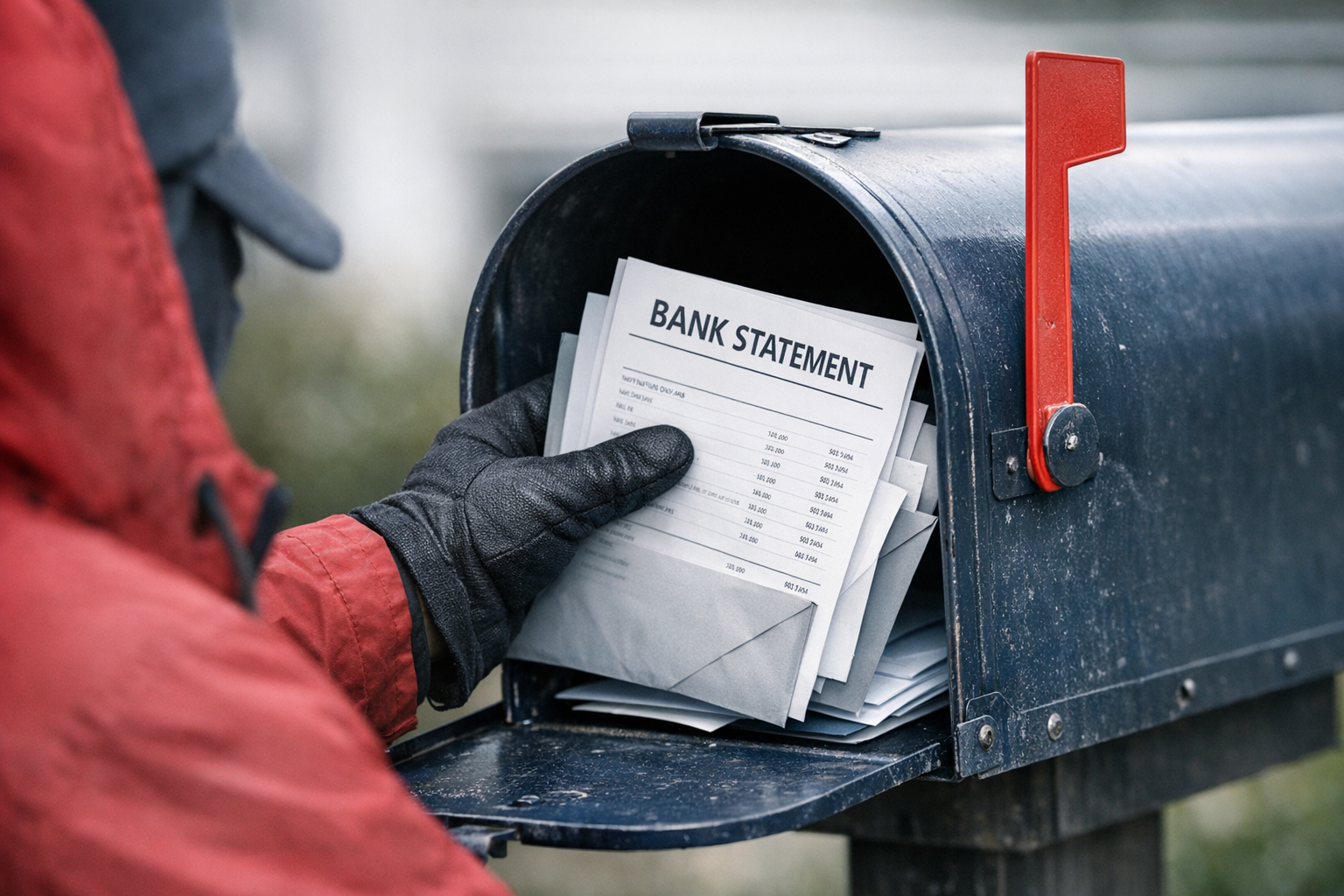
Fraud Resource Center
Safety starts with smarts. We’re here to help you protect your accounts from fraud.

Don’t fall for a wolf in sheep’s clothing!
Use these helpful resources to keep your money and your data safe.
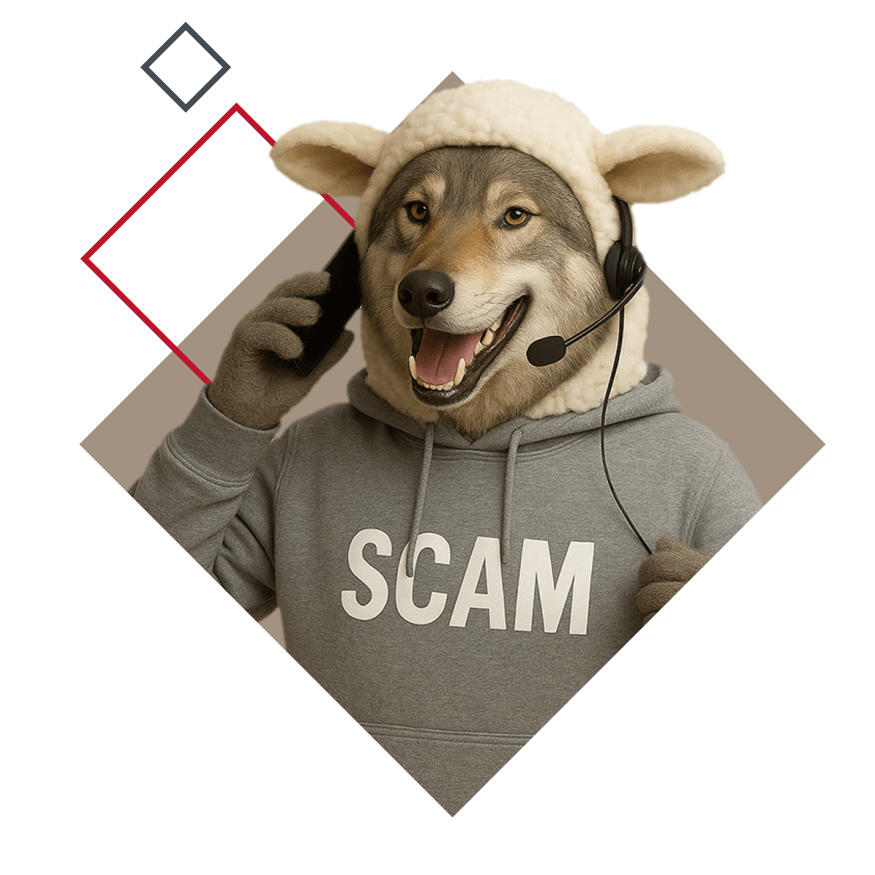
Download our Fraud Spotter Checklist!
Fraud is everywhere, but we’re here to help you stay safe. Our Fraud Spotter Checklist is the perfect tool for helping you spot a scam.
Red flags aren’t always obvious
Know how to spot signs of fraud so you can stop scammers in their tracks.
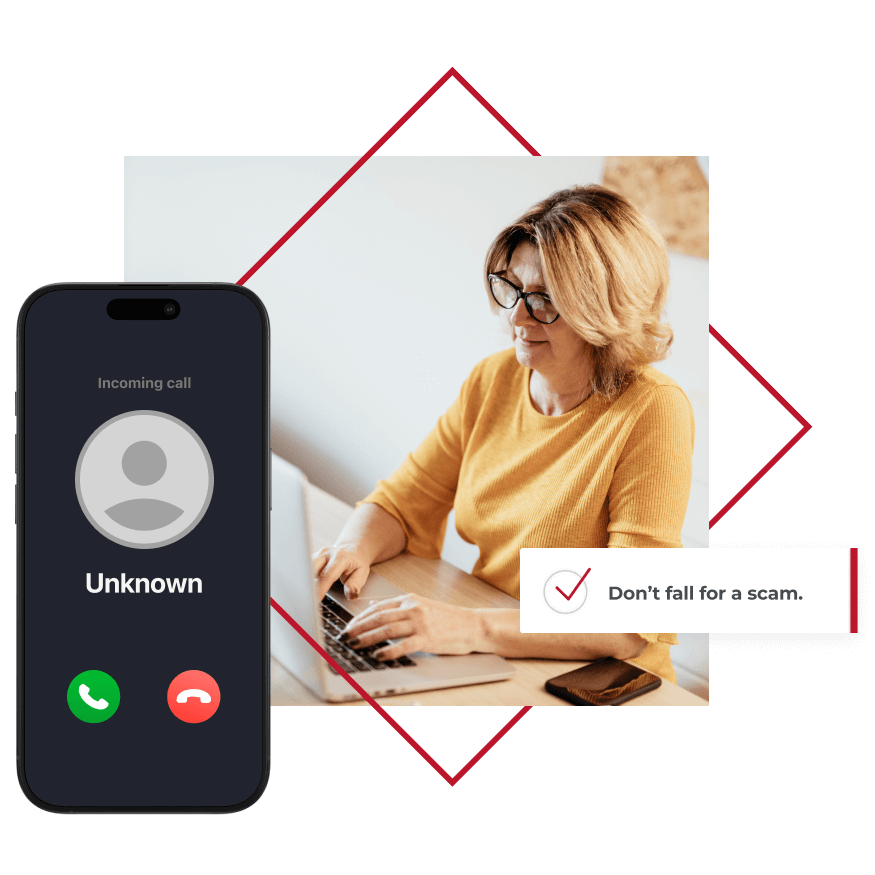
Knowledge is your best fraud defense.
Use these resources to learn how to spot a scam.
Follow these simple fraud-fighting tips:
Rule
1
A First Bank employee will never call, email, or text you to ask for your password, PIN, one-time passcode, or secure access code.
Rule
2
Resist pressure to act immediately. Scammers create a false sense of urgency to keep you from thinking things through.
Rule
3
Caller ID can easily be faked to make it look like a phone call is coming from a legitimate source.
Rule
4
Think you fell for a fraud attempt? Call your First Bank branch. We’ll walk you through what to do next.
Own a business?
First Bank offers useful tools to help you protect what you’ve built.
Our bankers are ready to help you get started.
Talk to a business banker.
Our bankers are ready to help you get started.


Safety starts with smarts
Dive into our expansive library of educational resources!